The Complete 2026 Pillar Guide

The 7-Day Tanzania Safari — Honest 2026 Guide from Arusha

Most 7-day Tanzania safaris run the same four parks — Lake Manyara, Ngorongoro Crater, Serengeti and Tarangire. About 26,235 sq km of safari country in one 7-day arc. Park fees alone come to roughly $470pp across the week. Tier and starting point set the rest.

Out at the gate, three things shape every trip: where you sleep, who drives, and when you go. We've been driving this exact circuit from Arusha since 1991. Below is the guide we'd write for a friend.

Start Here

What Kind of 7-Day Tanzania Safari Are You Looking For?


Pick the type that fits. Each chip jumps to its matching section. Most buyers don't know they're in a category until they see one named — that's normal. We sell about 60% mid-range, 25% luxury, 15% budget — but the mix that suits you depends on dates, party size and how much vehicle time you want each day.

Filter by What Matters Most

Pick your priority — we'll route you to the right depth

Don't see your scenario? WhatsApp Geoffrey directly — most edge cases (Kilimanjaro add-on, school-holiday timing, accessibility) need a conversation.

7-Day Tanzania Safari at a Glance

The Six Facts That Shape Every Quote


Before reading the deep sections, scan the six facts below. They cover every variable in our quote engine. The rest of the page is detail on each.

Trip Structure
7 days / 6 nights. Northern Circuit — Serengeti, Ngorongoro, Tarangire, Manyara.
Park Fees
About $470pp across the four parks. Set by TANAPA and NCAA, never marked up.
Price Range
From $2,490pp camping budget through $18,600pp luxury ultra in peak season.
Operating Base
Arusha, Tanzania. TATO-registered since 1991. Office, vehicles, guides — all here.
Starting Points
Arusha · Zanzibar · Nairobi · Dar. Most fly into JRO.
Best Time
Jun–Oct peak. Jan–Feb calving. Apr–May green-season value.
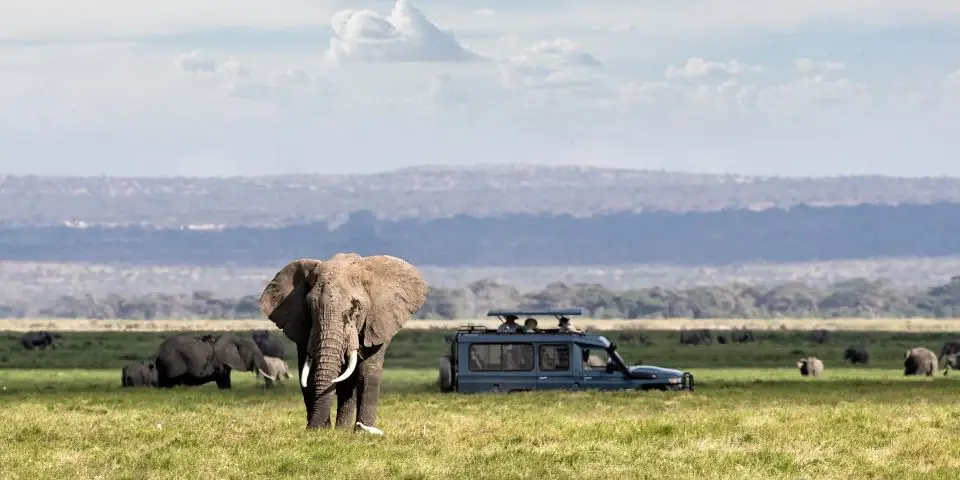
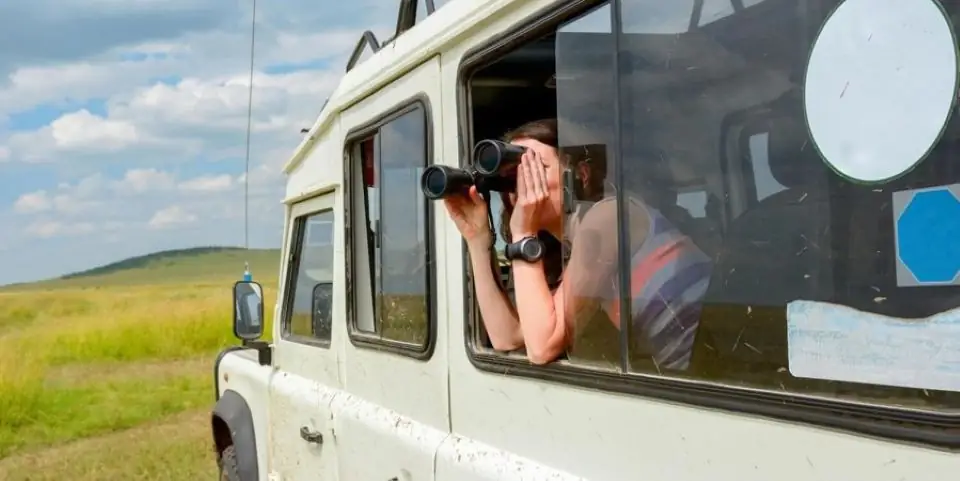
Private Safari-TZ Toyota Land Cruiser on a 7-day Tanzania safari game drive in the Serengeti
Toyota Land Cruiser, pop-top roof, six seats with window guarantee. Same vehicle across all tiers.
Pick Your Reading Path

What Kind of Buyer Are You? — Eight Routes Through the Cluster


Buyers searching "7-day Tanzania safari" fall into eight clear types. Pick whichever fits and we'll route you to a deeper page. If two fit, read both — each cluster page takes 8–10 minutes. The truth is, most buyers don't know they're in a category until they see one named.

The Northern Circuit

The Four Parks of a 7-Day Tanzania Safari


The four Northern Circuit parks aren't a marketing construct. They're the four ecosystems that fit a 7-day arc because of how the roads, drive times and game-drive windows actually work. Push to a fifth park and you spend more time driving than viewing. Cut to three and you skip something genuinely worth seeing. Seven days emerged through 35 years of trial-and-error on this exact question.

Days 3–5 · AnchorSerengeti National Park plains during a 7-day Tanzania safari — herds and acacia trees

Serengeti National Park

14,763 sq km · 7-Day Anchor

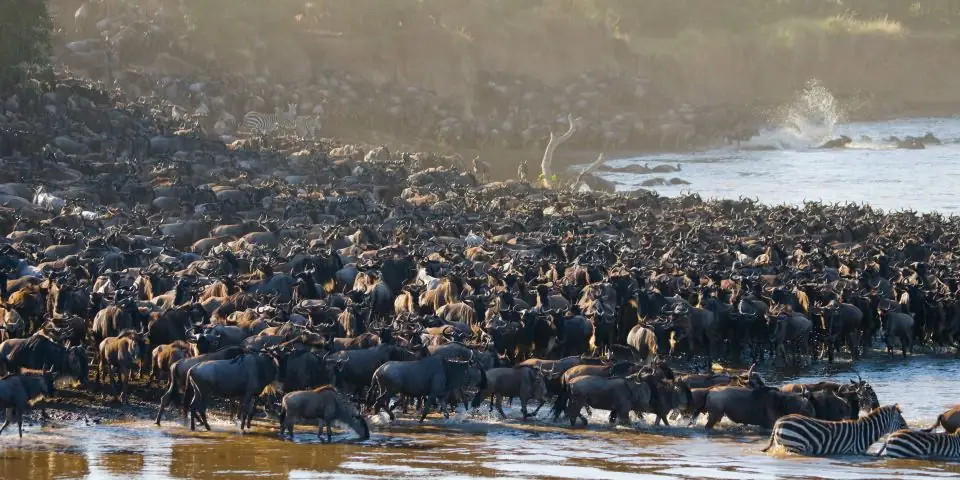
Where "safari" as a concept was born. The migration moves through here 8 months a year. Two full game-drive days minimum — anything less and you're rushing the largest park on the circuit. Naabi Hill Gate is the southern entry from Karatu; Kogatende and Klein's Gate cover the north for August–October river crossings.

  • Best monthsJun–Oct, Jan–Feb
  • From Arusha~6h via Karatu
  • SignatureMigration · big cats
  • GateNaabi Hill
Day 3 · HighlightNgorongoro Crater rim view on a 7-day Tanzania safari — 8,292 sq km UNESCO conservation area

Ngorongoro Crater

8,292 sq km NCAA · 260 sq km Floor

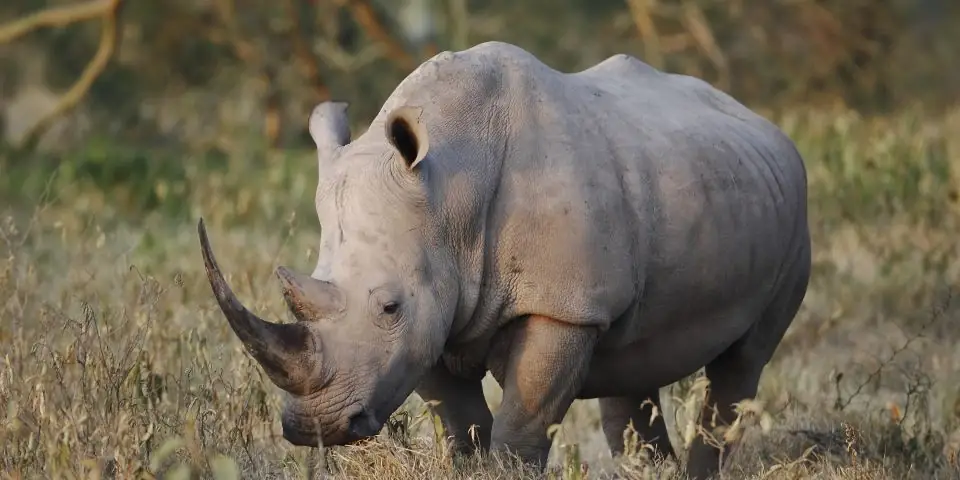
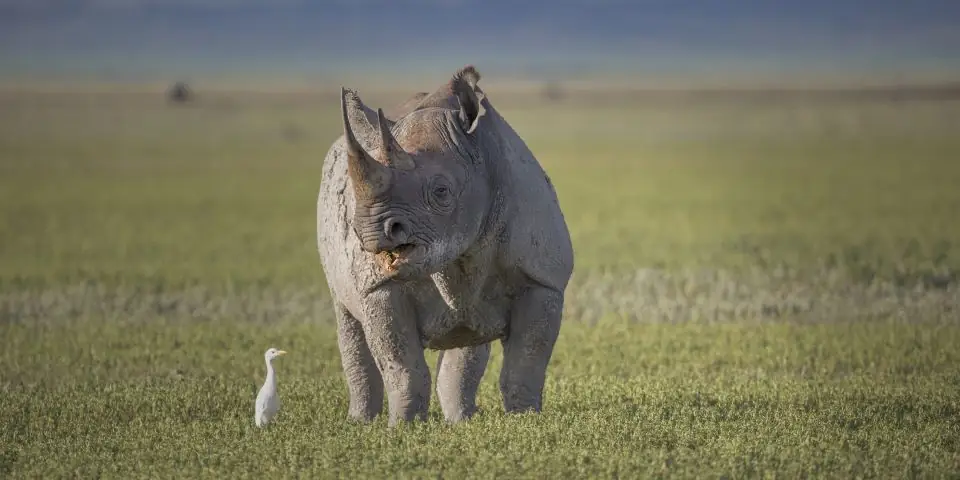
Big Five concentration in one contained ecosystem. Resident black rhino. UNESCO World Heritage. We descend Loduare at first light — the crater floor by 8:30am beats arrival at 10. The east-side game roads quiet down by lunch as day-trippers from Karatu start arriving.

  • Best monthsYear-round
  • From Arusha~3.5h to rim
  • SignatureBig Five · rhino
  • GateLoduare descent
Day 6 · QuietestTarangire National Park elephants on a 7-day Tanzania safari — baobabs and Tarangire River

Tarangire National Park

2,850 sq km · Elephant Capital

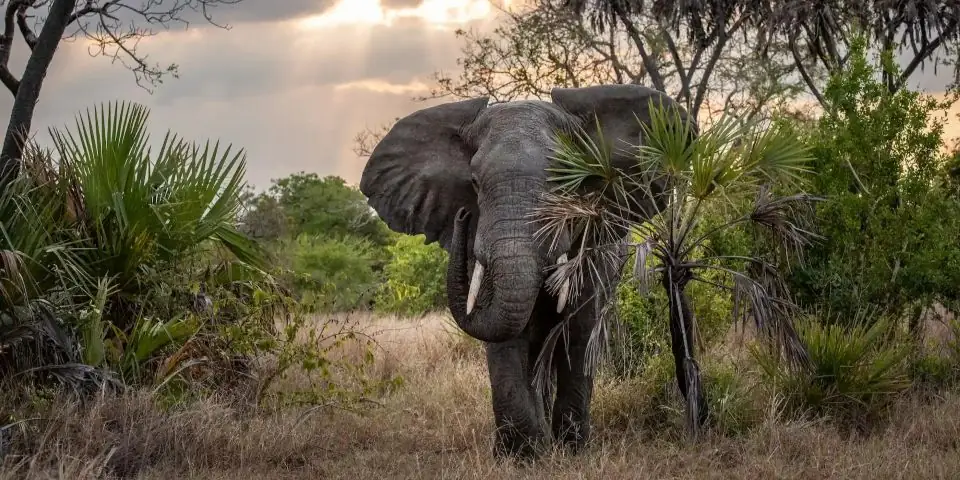
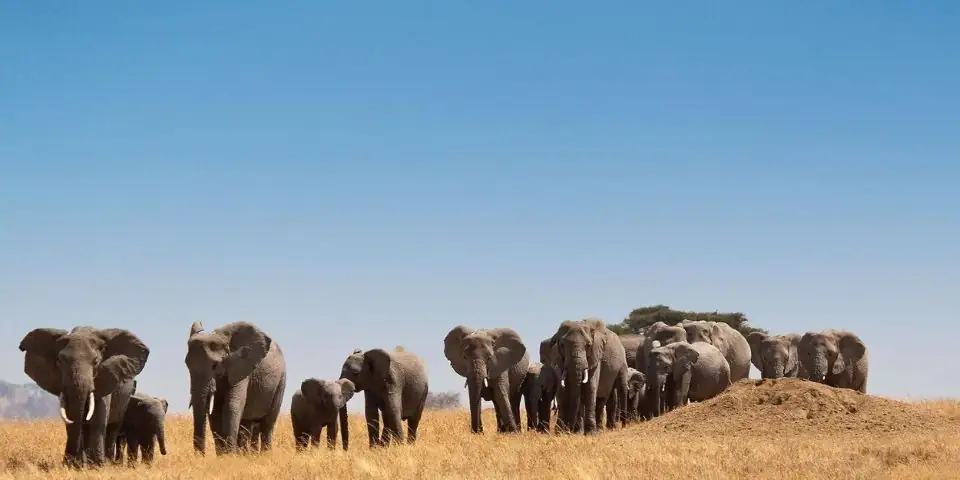
Baobabs, the Tarangire River and Tanzania's largest elephant population. Herds peak July–October when they concentrate on the river — by then the rest of the surrounding country has dried out. Two hours of tar then gravel from Arusha. Most clients call it the trip's quiet day, in the good sense.

  • Best monthsJul–Oct
  • From Arusha~2h tar + gravel
  • SignatureElephants · baobabs
  • GateTarangire main
Day 2 · Warm-UpLake Manyara wildlife on a 7-day Tanzania safari — groundwater forest and lake-edge fauna

Lake Manyara National Park

330 sq km · Smallest Park

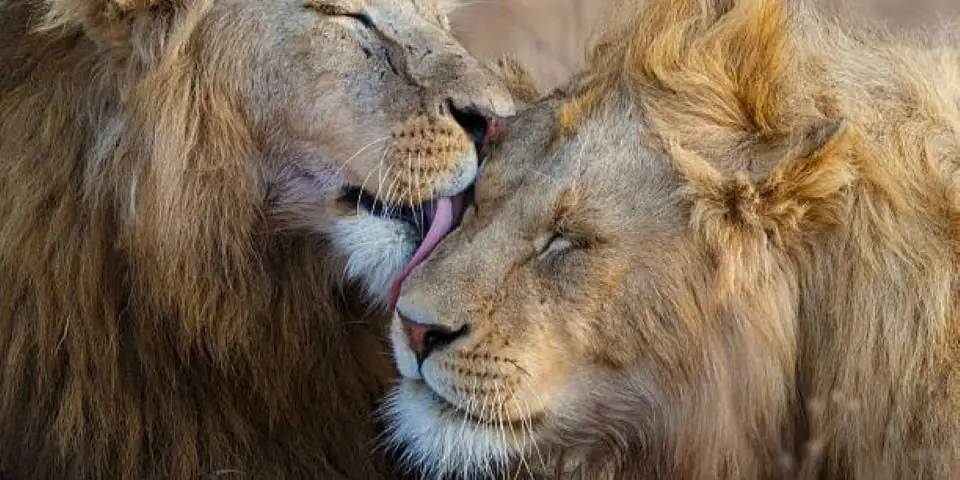
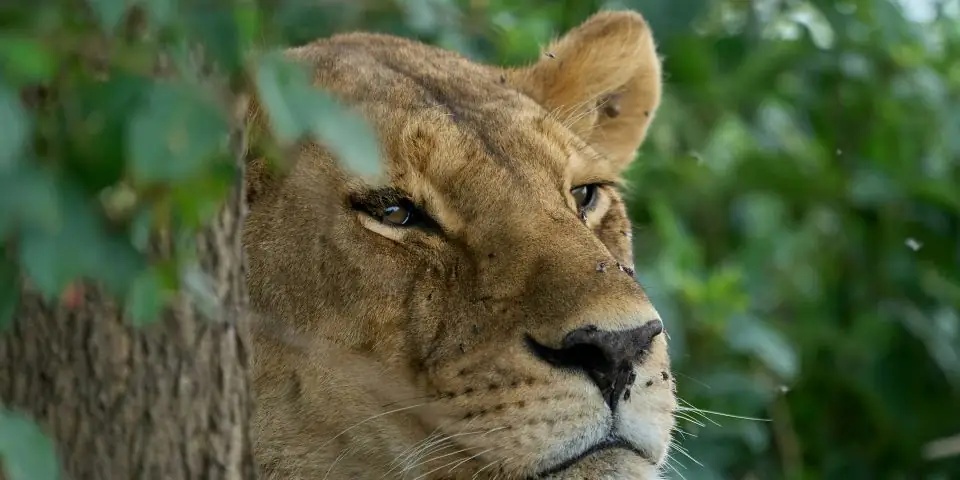
Tree-climbing lions, groundwater forest, elephants in the woodland section, flamingos when the lake holds water. The smallest park on the circuit but a strong opener. Most clients arrive after a half-day from Arusha and find their safari rhythm here before the bigger parks.

  • Best monthsJul–Oct, Jan–Feb
  • From Arusha~2.5h direct
  • SignatureLions · flamingos
  • GateManyara main

Standard 7-Day Flow — Arusha to Arusha

Day 1Arrive JRO · transfer Arusha · welcome briefing
Day 2Arusha → Lake Manyara game drive · overnight Manyara/Karatu
Day 3Ngorongoro Crater descent (8:30am) → afternoon transfer to central Serengeti
Day 4Full day Serengeti game drives · sunset return to camp
Day 5Morning Serengeti → return to Karatu via Naabi Hill
Day 6Tarangire full day · overnight Arusha
Day 7Departure transfer to JRO
That's the geography in summary. The day-by-day itinerary, accommodation choices at each tier, and game-drive timing realities live in the cluster pages — see the 7-day packages hub for the six specific variants we run, or our complete itinerary cluster for the deeper day-by-day. The pillar's job is shape, not granular timing.
What It Costs

7-Day Tanzania Safari Pricing — Honest Tiers


The $16,000 spread between cheapest and most expensive 7-day Tanzania safari isn't markup theatre. It's real differences in lodge tier, vehicle positioning, and add-ons like fly-in connections. The bands below are 2026 shoulder-season per-person prices. Peak season adds 15–25%. Green season runs 15–25% under shoulder. The complete pricing matrix goes deeper on what determines your specific quote.

TierShoulder (pp)Peak (pp)What's IncludedNotes
CampingBudget$2,490$2,890Public campsites · private vehicle · all park fees · all mealsSame parks, same guides. Different sleep. Best Apr–May value.
ComfortBudget+$2,890$3,290Karatu lodges + 1 mobile camp · everything aboveTents become beds. Best for clients who want budget without canvas.
Mid-RangeMost Booked$4,200$5,040Permanent tented camps · in-park positioning where possibleAbout 60% of bookings. Best balance of position and price.
Luxury StandardBoutique$7,500$9,000Boutique lodges (e.g. Sanctuary, Asilia, Lemala) · drive logisticsInside-park positioning saves vehicle hours.
Luxury UltraConcession$14,500$18,600Singita / Four Seasons / &Beyond · fly-in connectionsPrivate concession off-road driving and night drives.
All prices include park fees (~$470pp), private Land Cruiser, dedicated driver-guide, all meals, accommodation at your tier, and JRO airport transfers. Excluded: international flights, Tanzania visa ($50–100pp), travel insurance, tips (~$210pp typical), personal drinks. The complete pricing matrix shows every combination, the budget tier breakdown covers the bottom three sub-tiers, the luxury tier breakdown covers the top three, and the cost transparency page explains where the money actually goes.
Direct from Arusha

We respond in under 8 working hours from Arusha

No call centre. No platform middlemen. Geoffrey, William or Isaac reads your enquiry, asks the questions a marketplace bot won't, and sends pricing the same day.

Skip the form. Talk to a real guide.

WhatsApp open Monday–Saturday, 8am to 8pm Arusha time. Most replies arrive in under an hour.

WhatsApp Geoffrey
Where to Read Next

Sorted by What You're Trying to Decide


Different reader, different navigation logic. The router above sorted by buyer type. This block sorts by decision stage. Most 7-day enquiries take 4–8 weeks from first website visit to deposit. Different people read different content at different stages of that arc.

Researching

Just researching — building foundation knowledge

You're new to Tanzania safari and don't yet know what to ask. Start with foundational content before tier or destination decisions.

Comparing

Comparing options — narrowing the variants

You've decided on Tanzania. Now you're comparing 7-day variants — durations, starting points, tier choices.

Deciding

Deciding tier — budget, mid-range or luxury

Now it's tier choice. Each tier page has line-item detail on what changes between them.

Booking

Ready to book — need a quote with your dates

You know what you want. The next step is a custom quote with your dates, party size and tier. Quotes back in 24 hours.

Whichever stage you're at, the cluster pages above are designed to be read individually — each is comprehensive. You don't need to read every page on the site to make a good decision. Pick the cluster matching your stage. The next decision becomes obvious.

Why 7 Days

Why 7 Days Is the Right Length for a Tanzania Safari


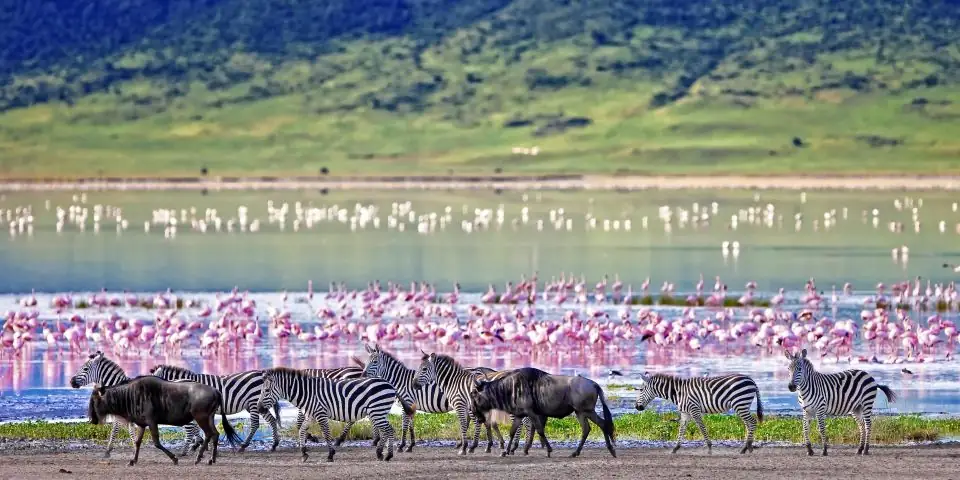
Tanzania wildlife on the Serengeti during a 7-day safari — the migration moves through here 8 months a year
Two full Serengeti game-drive days is the wildlife-density minimum. Five-day trips can't deliver this without cutting other parks.

Seven days isn't an arbitrary marketing construct. It's the duration that emerged from the math of drive times, game-drive cycles and travel fatigue once you've committed to the full Northern Circuit. The route needs one arrival day (flights land late afternoon at JRO), five effective safari days, and one departure day. That's 7.

Five-day versions force real compromises. You either rush Serengeti to a single overnight (insufficient for the park's 14,763 sq km — a morning game drive on arrival and an afternoon drive on departure isn't enough to reach the northern Mara River zones or the southern Ndutu woodlands). Or you cut Tarangire, skipping Tanzania's largest elephant concentration. Or you combine the Ngorongoro Crater day with the Serengeti transit day, turning both into half-days. We book the 5-day version for clients with fixed return flights. But almost everyone who does it says in retrospect they wished they'd done 7.

The opposite problem shows up at 10+ days. Adding more days to the Northern Circuit doesn't add new ecosystems. It just adds more of what you already saw. The honest extension from 7 days isn't "more Serengeti" but a fly-down to Ruaha or Selous in the southern circuits — which becomes a different trip entirely with different lodges, different operators and different cost structures. For Northern Circuit travel, 10 days is usually 8 days of safari plus 2 unnecessary days. See our deeper analysis of duration tradeoffs for the side-by-side math.

The math works out like this. Two full Serengeti game-drive days is the density minimum for reliable Big Five sightings across the park's varied terrain. Half a day in the Ngorongoro Crater is genuinely enough — descent at 7am, ascent at 1pm beats the heat and beats the day-trip crowds from Karatu. Tarangire and Manyara each reward one full day. More becomes diminishing returns because you've already seen what each park offers. Add arrival and departure days on either end and you're at seven.

"After 35 years booking this exact circuit, we've watched clients try 5-day, 10-day and 14-day versions. The 7-day variant is the most-rebooked length — the fewest people come back saying it was too short or too long. There's nothing magical about the number. It's just where the math of drive times and park access lands. For clients who want to extend without leaving the Northern Circuit, the 7-night extended option (8 days total) adds a second full Serengeti day rather than a new park." — Geoffrey Komba, Head Guide

When to Go

When to Take a 7-Day Tanzania Safari


Three primary windows. Each has real tradeoffs. June through September is peak — dry, excellent visibility, the migration in northern Serengeti, and Mara River crossings around July to October. Lodge rates run 15–25% above shoulder. Every operator is at capacity. If you haven't booked by February for the following peak, options thin fast at mid-range and luxury tiers.

January and February are calving season in Ndutu, the southern Serengeti zone just north of the Ngorongoro highlands. Migration herds give birth here in February — about 8,000 wildebeest calves per day at peak. That triggers the year's most intense predator activity. This is the second-best wildlife window after peak, and one of the two windows where the migration is genuinely photographable. Prices sit roughly at shoulder-season levels.

April and May are green season. Prices run 15–25% under shoulder. Landscapes are lush. Temperatures are mild. Crowds are thin. The tradeoffs are real rains (usually afternoon storms rather than all-day) and some road challenges in parts of Serengeti — Seronera to Kogatende becomes punishing after April rain, and the road south of Lake Ndutu turns to soup if the short rains stretch into February. October and November are the year's sweet spot — peak-quality weather without peak prices, because the crowds have left.

"Migration herds are in Tanzania about 8 months a year — December through July across the southern, central, western and northern Serengeti. They're partly in Kenya about 3 to 4 months a year — July to October Mara River crossings happen on both sides. Most months work for Tanzania safari. You're choosing between weather, crowds and price rather than 'does the wildlife exist'. The Mara crossings can stop for 4 days then restart in a single afternoon — that's the field reality every July client learns about by Day 2." — William Mwasimba, Senior Guide

For deeper seasonal analysis month by month, see best time to visit Tanzania for safari. The migration split between Tanzania and Kenya is covered honestly in our Tanzania vs Kenya 7-day safari comparison.

Found the cluster you needed?

If you're past the research stage, send us your dates and tier preference. We'll quote within 24 hours from Arusha.

Who You're Booking With

Why Safari-TZ — The 35-Year Operator Truth


Tanzania has roughly 1,200 registered tour operators. About 800 are TATO members. About 200 have operated continuously for 20+ years. We're one of the 200. The qualifier matters: 35 years means we've handled every operational scenario at least once. That experience compounds into faster decisions, better camp relationships and fewer surprises out at the gate.

TATO-registered since 1991

The Tanzania Association of Tour Operators is the industry's professional body. We've been members since the year of founding. Booking direct means booking with a registered, licensed Tanzanian operator — not a foreign reseller subcontracting to a local team you'll never speak to.

Geoffrey Komba · William Mwasimba · Isaac Munuo

Three named senior guides whose names appear on every Safari-TZ booking. Not sub-contracted drivers booked the day before your trip. They've been with us 12 to 25 years respectively. When you arrive at JRO, one of them is the person waiting at the airport.

Physical office in Arusha

Real address, real phone, real team — all in Arusha, the operational base for every Northern Circuit safari. When something needs to change mid-trip (and it sometimes does), there's a Tanzania-based team responding, not a call centre overseas.

Zero platform commission

SafariBookings, TourRadar and similar platforms add 15–25% to the same Safari-TZ trip — that's commission they take from us. Booking direct keeps that money out of the equation. The book-direct deep-dive explains the mechanics. The short version: same trip, same vehicle, lower cost.

No Hard Sell

We don't sell. We consult.

If your priority points to Kenya, Botswana or South Africa, we'll tell you. We've turned down deposits where the destination was wrong for the priority. Honesty earns the next booking.

Talk through your dates first.

Geoffrey will ask the priority questions a form can't. Then we'll match the right tier and timing to your trip.

Start the conversation
Common Questions

7-Day Tanzania Safari FAQs


What is a 7-day Tanzania safari and what does it include?

A 7-day Tanzania safari covers the Northern Circuit — Lake Manyara, Ngorongoro Conservation Area, Serengeti and Tarangire. The four parks total about 26,235 sq km. Most trips run 7 days / 6 nights, starting and ending in Arusha.

Every Safari-TZ booking includes a private 4x4 Land Cruiser with pop-top roof, a dedicated driver-guide, all park fees (~$470pp), all meals, accommodation at your tier, drinking water, and JRO airport transfers. International flights, the Tanzania visa, travel insurance, tips and personal drinks sit outside the quote. The trip is private by default — no shared vehicles, no mixed groups.

How much does a 7-day Tanzania safari cost?

Per person, the range runs from $2,490pp at Camping budget through $18,600pp at Luxury Ultra peak. Tier markers: Camping $2,490pp, Comfort $2,890pp, Mid-range $4,200pp, Luxury Standard $7,500pp, Luxury Ultra $14,500pp (all shoulder-season).

Peak season (July to September, Christmas to New Year) adds 15–25%. Green season (April to May) runs 15–25% under shoulder. Park fees alone account for ~$470pp regardless of tier. The complete pricing matrix shows every combination.

What is the Northern Circuit and why is it the standard 7-day route?

The Northern Circuit covers four major parks within drive-reach of Arusha: Lake Manyara (330 sq km), Ngorongoro Conservation Area (8,292 sq km), Serengeti (14,763 sq km) and Tarangire (2,850 sq km). It's the standard 7-day route because the four parks fit cleanly into 7 days based on real drive times and game-drive cycles.

Push to a fifth park and transit time eats game time. Cut to three and you skip ecosystems that genuinely differ. Seven days emerged through 35 years of trial-and-error as the duration that balances depth, cost and travel fatigue.

When is the best time to take a 7-day Tanzania safari?

Three primary windows. June through September is peak — dry, excellent visibility, migration in northern Serengeti, Mara River crossings via Klein's Gate. Prices run 15–25% above shoulder. January and February are calving season in Ndutu — predator action peaks, second only to crossings.

April and May are green season — cheapest pricing, lush landscapes, some road challenges. October and November are the value sweet spot — peak weather without peak prices. Most months work; you're choosing between weather, crowds and price. See best time to visit Tanzania for safari for month-by-month detail.

Can I extend my 7-day safari to include Zanzibar or Kilimanjaro?

Yes — both extensions are common. Zanzibar: a 1hr 15min flight from Arusha (ARK to ZNZ) costs $180–280pp one-way. Most extensions add 3–7 days of beach. Combined safari + Zanzibar trips run 10–14 days at $4,500–25,000pp depending on tier.

Kilimanjaro: 5–9 day climbs depending on route, $2,500–5,500pp additional. Typically done before safari since the climb is more demanding so you want fresh legs. Combined trips run 12–18 days. Both extensions run through our existing infrastructure. See our 7-day safari from Zanzibar page, or ask about combos on WhatsApp.

Is 7 days enough time for a Tanzania safari?

For the Northern Circuit, 7 days is the optimal duration. Long enough for two full Serengeti game-drive days (the wildlife-density minimum), a full Ngorongoro Crater morning, a full Tarangire day and a Manyara warm-up.

Five-day versions force compromises: rushed Serengeti, dropped parks, or combined-park days that cut both short. Ten-day versions add cost without adding new ecosystems unless you fly south to Ruaha or Selous (different trip). The few clients who book 5-day versions almost always say in retrospect they wished they'd done 7. Deeper treatment at is 7 days enough for Serengeti.

How far in advance should I book a 7-day Tanzania safari?

For peak season (July to September and Christmas to New Year), book 6–12 months ahead. The bottleneck is Serengeti lodge inventory at popular tiers — top properties close 8–10 months out for July–September. For June, October and November shoulder months, 3–6 months is enough. For April–May green season, 2–3 months is fine.

Last-minute bookings under 4 weeks are sometimes possible for budget and mid-range in shoulder seasons but rarely at luxury tier or peak. Honeymoon and combo trips need 10–14 months for peak season because both ends of the combo lock simultaneously.

What's the difference between booking direct and through a platform?

Cost: platforms (SafariBookings, TourRadar, Viator, GetYourGuide) take 15–25% commission on every booking. The same Safari-TZ 7-day mid-range tour that's $4,200pp direct costs $4,830–5,250pp via platforms.

Service: direct bookings have direct WhatsApp access to our Arusha office for changes and urgent decisions. Platform bookings route through customer service systems with 12–24 hour back-and-forth on changes. Operator relationship: direct bookings let our guides know you by name before you arrive. Full comparison at book direct vs platforms.

Your 7-Day Tanzania Safari Starts With One Conversation

Custom quote in 24 hours. Direct from Tanzania's longest-serving Arusha-based operator. No platform commissions. No middlemen.

Or email info@safari-tz.com · Call +255 743 100 673

WhatsApp