Is 7 Days Enough for Serengeti · Honest Operator Answer 2026
Is 7 Days Enough for Serengeti? The Honest Operator Answer.
For most first-time travellers, yes. But only 2 to 3 of those 7 days are actually in Serengeti. Here is the real day-by-day math, and the four scenarios where 7 days is not enough.
Below is the short version. Tap any card to jump down to the full reasoning. The long version sits below the fold — but most readers find their answer in the strip.
Across our 14,000+ Northern Circuit bookings since 1991, about 85 percent of first-time clients are well-served by 7 days. The other 15 percent want something specific that 7 days cannot deliver — and we tell them to book longer.
You spend 2 to 3 of the 7 days inside Serengeti. The rest cover Arusha, Tarangire, Lake Manyara and Ngorongoro.
That is enough for the core wildlife: Big Five rate above 85 percent, migration herd exposure above 95 percent in season.
Mid-range pricing sits around $4,200 per person. Stretching to 9 days adds $1,500 to $2,500.
If photographer light, multi-zone migration or northern Serengeti only is the goal, 7 days is not enough — plan 9 to 11.
"Most clients ask the wrong version of this question. They imagine 7 days in Serengeti. The real trip gives them 7 days in Tanzania, of which 2.5 to 3 are inside Serengeti. Once they see the math, the question answers itself." — Geoffrey Komba · Senior Guide · Safari-TZ Arusha
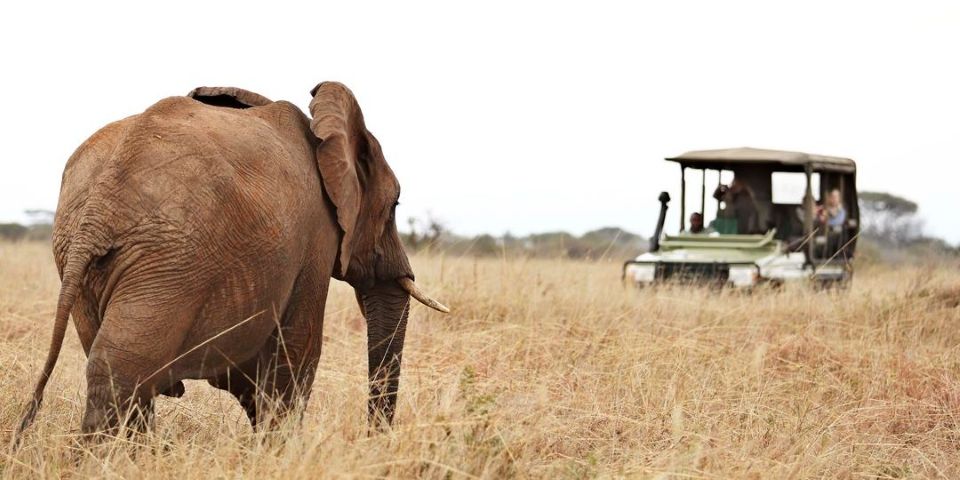
Central Serengeti at golden hour — the trip's anchor day, around Day 5 on a standard 7-day Northern Circuit.
Same Land Cruiser, same driver-guide, every day from Arusha to Serengeti and back. Geoffrey, William, or Isaac.
The Honest Answer by Scenario
Pick yours. Different clients get different verdicts.
When clients ask "is 7 days enough for Serengeti" we ask back: what are you actually trying to see? The right length depends on the goal. Below are the eight situations we book most often, with the verdict for each.
Scenario 01
First-time safari, family or couple
Yes — 7 days fits
The standard Northern Circuit. Tarangire elephants, Lake Manyara, Ngorongoro Crater, Central Serengeti. Two to three Serengeti days. First-timers rarely need more — extending Serengeti past 3 days gives diminishing returns. Mid-range cost lands near $4,200pp. See 7 day Tanzania safari.
Scenario 02
Budget-conscious first-timer
Yes — best value
Stretching to 10 days adds $1,500 to $2,500 at mid-range. The extra wildlife is modest for a first-timer. So 7 days hits the cost-to-experience sweet spot. We have watched too many budget clients stretch and then wish they had upgraded the lodge tier instead.
Scenario 03
Photographer chasing migration light
No — plan 10 to 14
Photographers need hours on a single sighting. Two Serengeti days forces driving over waiting. Most photo-led trips give 6 to 8 days inside Serengeti, often in one zone. So 7 days is a wildlife-viewing trip with cameras — not a photography trip.
Scenario 04
Wildlife specialist — central + northern
No — plan 9 to 11
Northern Serengeti and central Serengeti are 4 to 5 hours apart by road. Doing both in 7 days leaves you with one day in each zone. So 9 to 11 days gives 2 to 3 days in each — and a fly-in connection cuts the drive day.
Scenario 05
Calving season Ndutu (Jan to March)
Yes — with 4 Ndutu days
Ndutu sits in southern Serengeti. The calving herds drop 8,000 calves a day at peak. Predator action is intense. So a 7-day trip works if you spend 4 of those days in Ndutu and skip Tarangire. We can adjust the route at quote stage.
Scenario 06
Mara River crossings (July to October)
No — plan 9 to 10
River crossings happen unpredictably across a 10 to 14 day window. Two days in northern Serengeti gives you 50 to 60 percent odds. Five days lifts it to 85. So if crossings are non-negotiable, more days directly buy more odds.
Scenario 07
Repeat visitor (Serengeti only)
Yes — 7 days deep
You already saw Tarangire and the crater on your first trip. Skip them. Fly into Seronera. Spend the full 7 days inside Serengeti — central, then northern, then southern. You see different country, different prides, different migration positions.
Scenario 08
Serengeti + Zanzibar combination
Tight — plan 10 to 11
Splitting 7 days across safari and beach leaves you 3 days in each. Serengeti drive times eat into that. So 10 to 11 days is the honest answer — 5 days safari, 5 days Zanzibar. The flight from Arusha to Zanzibar takes 1 hour 15 minutes.
Naabi Hill Gate paperwork takes 30 minutes minimum. From Karatu the drive is 3 hours 30 minutes. So Day 4 is half-transit, half-game-drive.
The Quantified Reality
What 7 days actually covers — day by day.
Most readers asking "is 7 days enough for Serengeti" picture a week of game drives in the Serengeti. The real trip looks different. Here is what each day actually holds, and which days you are inside the park.
Day 1
Arusha
Arrival, vehicle prep, briefing.
Not Serengeti
Day 2
Tarangire
Full day game drive — elephants, baobabs.
Not Serengeti
Day 3
Karatu
Drive to crater rim. Evening at lodge.
Not Serengeti
Day 4
Crater → Serengeti
Crater morning. Drive to Seronera by 16:00. Half-day game drive.
Half-day Serengeti
Day 5
Central Serengeti
Full day game drive — Seronera river area.
Full Serengeti day
Day 6
Serengeti zone
Full day. Western corridor (June) or northern Mara (Jul–Oct).
Full Serengeti day
Day 7
Serengeti → Arusha
Morning game drive. Fly back. International flight out.
Half-day Serengeti
Net Serengeti exposure: 2 full days + 2 half-days = about 2.5 to 3 days. Some operators advertise this trip as "5 days in Serengeti" by counting any night near the park. That is marketing math, not real math. Real math is what shows above. So when we say "7 days is enough", we mean 2.5 to 3 Serengeti days plus the supporting parks deliver a complete first-time circuit.
Seronera river area, central Serengeti — Day 5 of a standard 7-day trip. Highest year-round wildlife density in the park.
How the 7 Days Allocate
A stacked-bar view of where the time actually goes.
Three Serengeti days out of seven. About 43 percent of trip time inside the park. The rest pays for the supporting ecosystems and the drive in. So when you ask "is 7 days enough for Serengeti", the honest answer for most clients is yes — for the kind of trip they actually want.
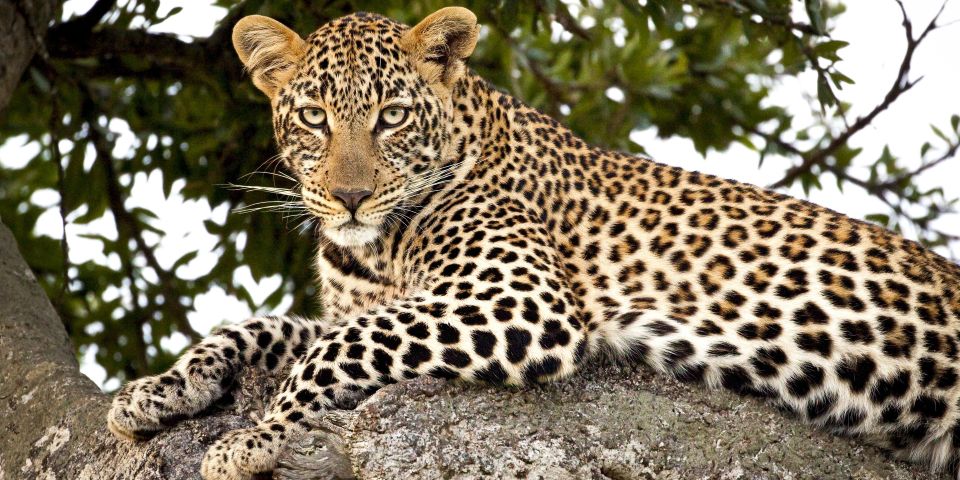
"Photographer clients are the ones I tell to book longer. They want to wait three hours by a kopje for a leopard to move. On 7 days that is half your Serengeti window. So I quote them 9 or 10 — and they thank me later." — William Mwasimba · Senior Guide · Safari-TZ Arusha
Tell us your situation. We'll quote the right length.
If 7 days fits your goals, we say yes. If 9 or 10 is the right answer, we say so. No platform commission. Direct from Arusha.
Four scenarios where 7 days is genuinely not enough.
For about 15 percent of the clients who ask us this question, 7 days is not enough. Below are the four situations where we tell you straight — at quote stage, before you book — that you need more time. We would rather lose the booking than deliver the wrong trip.
Scenario 01
Mara River crossing chasers (Jul to Oct)
9 to 10 days
Crossings happen unpredictably during a 10 to 14 day window each year. Two days in northern Serengeti gives you 50 to 60 percent odds of seeing one. Five days lifts it to 85. So if crossings are the goal, more days directly buy more odds. The drive from central Serengeti to the Mara is 4 to 5 hours, which means 7 days forces a one-zone choice.
Photographers need hours on the same sighting. Light shifts. Behaviour unfolds. Two Serengeti days makes you drive when you should wait. So photo-led trips usually allocate 6 to 8 days inside Serengeti, often in one zone. Budget runs $12,000 to $20,000pp. 7 days is a wildlife-viewing trip with cameras — not a photography trip.
Wildlife specialists — central + northern in one trip
9 to 11 days
Northern Serengeti is operationally different from central. Different camps, different gate, different wildlife rhythm. The drive between zones is 4 to 5 hours. So 7 days lets you sample one zone properly. 9 to 11 days with a fly-in connection gives you 2 to 3 days in each zone, plus the supporting Northern Circuit parks.
Splitting 7 days across safari and beach leaves you 3 days in each. Serengeti drive times eat into that. The flight from Arusha to Zanzibar takes 1 hour 15 minutes and runs $180 to $280pp one-way. So 10 to 11 days is the honest combination — 5 days safari, 5 days Zanzibar, plus the connection day.
If you're in one of these four — we'll tell you straight, and quote the right length. Budget difference between 7 and 10 days at mid-range is about $1,500 to $3,500pp, which is usually a fair trade for getting the trip you actually want.
Mara River crossings (July to October) are the classic "book longer" scenario. Two northern Serengeti days gives 50 to 60 percent odds. Five days gives 85.
What 7 Days Delivers
A standard 7-day Northern Circuit, by the numbers.
After 14,000 bookings, we know what most 7-day trips actually produce. Below is the rough outcome — averages, not promises. Wildlife is wildlife.
85%+
Big Five Rate
Lion, leopard, elephant, buffalo, rhino across the trip. Rhino comes from the crater. Lion shows up daily.
4
Parks Visited
Tarangire, Lake Manyara, Ngorongoro, Serengeti. Plus Karatu and Arusha as anchor towns.
95%+
Migration in Season
Herd exposure runs near guaranteed Dec to July. October to November is the transition gap.
3
Lodge Tiers Possible
$2,490pp camping, $4,200pp mid-range, $7,500pp+ luxury. Same circuit, different beds.
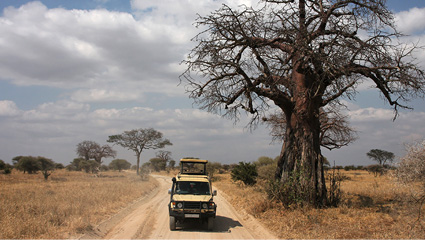
Tarangire — Day 2. Baobabs, elephants, the Tarangire River. The trip's warm-up day.
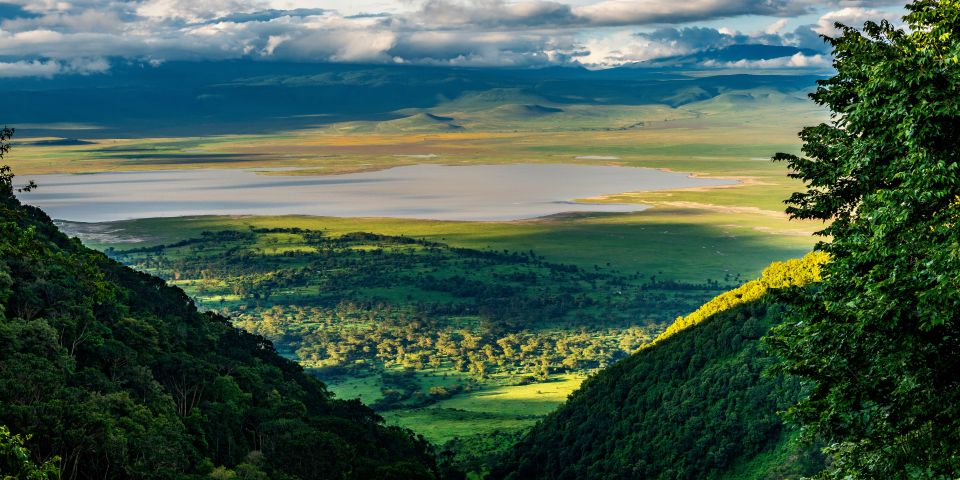
Ngorongoro Crater rim — Day 4 morning. Descent by 8:30am beats the crowds at 10.
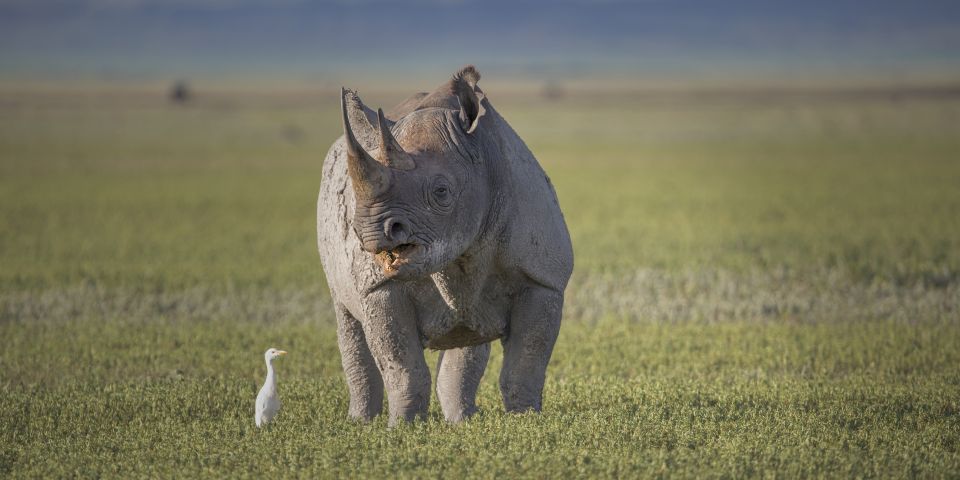
The typical 7-day client returns home with 30 to 50 species sighted, 500-plus individual animal sightings, and at least 4 of the Big Five. Lions show up on every Serengeti day. Elephants are guaranteed in Tarangire's dry-season concentrations. Leopards appear on 60 to 70 percent of Serengeti days. The tricky one is rhino — Ngorongoro Crater holds about 30 black rhinos, and most clients see one or two on the descent.
Migration herd exposure runs above 95 percent from December through July. Calving in Ndutu peaks January to March. Western corridor herds move through in June. Northern Serengeti and the Mara River crossings run July to October. Isaac Munuo and William Mwasimba coordinate the zone choice with your lodge at booking — that is what makes the difference between "near the herds" and "in the herds".
Beyond wildlife, the 7 days hold cultural moments. Brief Maasai interaction at the crater rim. Olduvai Gorge en route to Serengeti — the archaeological site where the Leakeys found early hominid fossils. Dinner at Karatu lodges with views over the Great Rift Valley. A sundowner at Seronera. So the trip is not just game drives. See best time to visit Tanzania for the seasonal calibration that makes a 7-day trip feel longer than it is.
After 14,000 bookings since 1991, we have a stable read on what 7 days delivers. The clients who return disappointed are usually those who had a specific goal — multi-zone migration, photographer light — they did not flag at quote time. So if we know your goals at quote stage, we tell you straight whether 7 days delivers them. That is the conversation worth having before you book.
"First-time clients with 7 days almost always come home satisfied. The exceptions are the ones who wanted something specific — and did not tell us. So I always ask at quote time: what is the one thing you want this trip to give you? If 7 days cannot deliver it, I quote 9." — Isaac Munuo · Senior Guide · Safari-TZ Arusha
Sunrise game drive — most lion and leopard sightings happen before 9am. Early starts are the rule, not the exception.
Northern Serengeti — the country where most "I needed more days" comments come from. River crossings run unpredictably.
Common Questions
Duration questions travellers actually ask.
Is 7 days enough for Serengeti?
For most first-time travellers, yes. But only 2 to 3 of those 7 days are actually in Serengeti. The standard 7-day trip uses the other days for Arusha, Tarangire, Lake Manyara and Ngorongoro. Two full Serengeti days plus a half-day arrival cover central Seronera comfortably. So if you want the full Northern Circuit, 7 days works. If you want migration river crossings across multiple zones, photographer light, or northern Serengeti only, 7 days is not enough — plan 9 to 11. See 7 day Tanzania safari for the full circuit.
How many days do you need for Serengeti?
Two full game-drive days is the minimum. That covers central Seronera. For the Great Migration, plan 3 to 5 Serengeti days. For photographers or northern Serengeti specialists, plan 5 to 7 Serengeti days. A typical day covers about 200 sq km of intensive game viewing. Serengeti itself is 14,763 sq km. So more days mean broader zones, not just more time on the same plain. See our 7-day packages for variants with extra Serengeti time.
Is 5 days enough for Serengeti?
Five days is tight but it works. A 5-day Tanzania trip usually means 1 day Arusha, 1 day Ngorongoro, 2 days Serengeti, 1 day departure. So you get 2 full Serengeti days. You skip Tarangire and Lake Manyara. Most first-time visitors regret booking 5 when 7 was an option. The cost gap is modest. See budget 7-day options for the cheapest extension path.
Is 10 days better than 7 days for Serengeti?
It depends on what you want. For a first-time visitor, 10 days is not meaningfully better — you see more of the same. For migration chasers, 10 days lets you cover two zones. For photographers, 10 days is a real upgrade. For repeat visitors, 10 days unlocks northern Serengeti or southern circuit parks. Mid-range cost difference is about $1,500 to $2,500 per person. So upgrade only if your goals justify the spend.
Is 7 days too long for Serengeti?
Seven days is not too long once you understand the structure. You are not spending 7 days in Serengeti. You are spending 7 days in Tanzania, which includes Serengeti. Only 2 to 3 of those days are actually inside the park. The other days cover Arusha arrival, Tarangire elephants, Lake Manyara, Ngorongoro Crater and departure. So 7 days delivers the full Northern Circuit. If your time or budget is tighter, 5-day options exist — but they cut parks rather than pace.
Can you see the Great Migration in 7 days?
Yes, in one zone. The migration moves across the year. Ndutu in January to March. Central Serengeti April to May. Grumeti in June. Northern Serengeti and the Mara crossings July to October. Central again November. So a 7-day trip positions you in the right zone for that month. What 7 days will not give you is the migration in multiple zones, or guaranteed Mara River crossings — those need 9 to 10 days. See best time to visit for month-by-month positioning.
How many days are needed to see the Big Five?
On a standard 7-day Northern Circuit, Big Five completion runs above 85 percent. Lions and buffalo show up reliably in Serengeti. Elephants are common in Serengeti and almost guaranteed in Tarangire. Leopards appear on 60 to 70 percent of Serengeti days. The trickier one is rhino — black rhinos are reliable only in Ngorongoro Crater. So Big Five completion depends on including Ngorongoro in your trip. In 3 days it is possible but tight. In 7 days it is the standard outcome.
What's the minimum days for a Tanzania safari?
Five days is the realistic minimum if you want Serengeti included. Below that, the drive times eat your game-viewing windows. Layover-style trips of 2 to 3 days from Kilimanjaro Airport exist — they focus on Tarangire and Ngorongoro and skip Serengeti entirely. So if you have 4 days or fewer, consider whether Serengeti is the right park for your trip length, or whether a Tarangire and Ngorongoro short safari makes more sense.
How does a 7-day Tanzania trip actually allocate days between parks?
Day 1: Arusha arrival. Day 2: Tarangire or Lake Manyara. Day 3: Karatu and crater rim. Day 4: Crater morning, drive through Naabi Hill to central Serengeti by 16:00 — half-day game drive. Day 5: Full Serengeti day. Day 6: Full Serengeti day or zone shift. Day 7: Morning Serengeti drive, fly to Arusha, international flight out. Net Serengeti exposure: about 2.5 to 3 days. Some operators advertise this as 5 Serengeti days. That is marketing math. See 7 day Tanzania safari for the full shape.
Is a 7-day Serengeti safari worth it?
For first-time visitors, yes. Mid-range pricing sits around $4,200pp. Big Five rate above 85 percent. Migration herd exposure above 95 percent in season. Across our 14,000+ Northern Circuit bookings since 1991, the vast majority of 7-day clients return home satisfied. The minority who do not are usually clients who had specific goals — multi-zone migration, photography — that 7 days could not cover. So if we know your goals at quote stage, we can tell you straight whether 7 days delivers them. If not, we quote 9 to 11 instead. See full pricing and private 7-day options.
The honest duration answer — from 35 years of Northern Circuit operations.
Tell us your situation. We'll quote the right length — not the longest one we can sell you. TATO-registered Arusha operator since 1991. No platform commission.