Serengeti vs Ngorongoro on a 7-Day Safari — You're Asking the Wrong Question
Looking at Serengeti, Ngorongoro, or both?
Serengeti vs Ngorongoro at a Glance
Most readers Googling "Serengeti vs Ngorongoro" are asking a question that doesn't exist on the ground.
Out at the gate, the parks aren't rivals. They're 3 hours apart. The road between them is the Northern Circuit, and every standard 7-day Tanzania safari runs both. So the honest reframe is simple. Stop picking. Start planning.
The road runs through both
Lodoare Gate to Naabi Hill is 3 hours dry-season drive. Same vehicle. Same guide. Same fuel tank. So the geography itself answers the question.
The 7-day circuit was built around both
Ngorongoro on Day 4 morning. Drive west. Sleep in Serengeti by night. Two full Serengeti days. This is the standard itinerary — not an upgrade.
The cost gap is tiny
Picking one park saves about $200 to $400 per person on a 7-day trip. Small price. Big regret. Most clients who skip one ask later why we didn't push them harder.
How Close They Actually Are
A simple road drawing makes the point faster than any paragraph. Just two gates. One road. Three hours.
(NCAA)
(Serengeti)
And from Karatu (rim accommodation) to Seronera (central Serengeti) it's a 4-hour drive, including game-viewing stops.
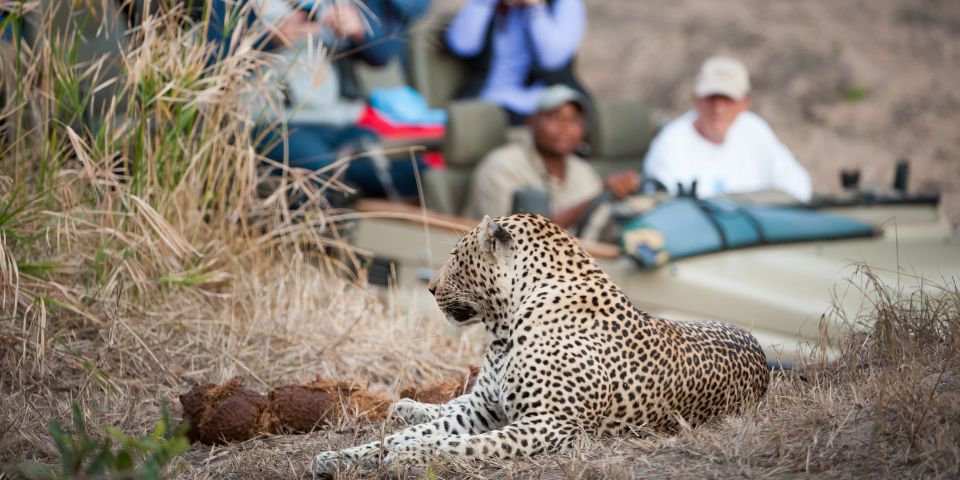
The Shared Boundary on a Map
Most comparison content treats the parks as separate destinations. On the map, they share a fence. Naabi Hill Gate is where one ends and the other begins.
Distance & Time
- Ngorongoro rim → Naabi Hill~100 km · 2.5 hours driving
- Naabi Hill → Central Serengeti~40 km · 1 hour with game viewing
- Total transition~145 km · 3–3.5 hours end to end
- Gate hierarchyLodoare (east) · Naabi (shared) · Ndabaka (west)
14 Honest Comparisons — For When You Still Want to Compare
We'd rather you do both. But if you still want to compare, here's the truth, side by side.
| Factor | Serengeti | Ngorongoro Crater | Winner |
|---|---|---|---|
| Park size | 14,763 sq km | 260 sq km crater floor | Depends |
| Park fees per day pp | TANAPA $82.60 pp | NCAA $70.80 pp + $295 vehicle crater fee | Ngorongoro edge |
| Total fees, 2 days | ~$165 pp | ~$210 pp (1 crater + 1 transit day) | Serengeti |
| Wildlife density per sq km | Variable. High in some zones. | Among highest on Earth. | Ngorongoro |
| Big Five viewing | All five possible. Rhinos rare. | All five reliably in a morning. | Ngorongoro |
| Resident black rhinos | Scattered. Hours of tracking. | ~30 reliable individuals. | Ngorongoro |
| Big cat territories | Vast. Well-tracked by guides. | Contained but active. | Serengeti |
| Migration presence | 8 months/year (Dec–Jul, plus Mara). | Not on the migration route. | Serengeti |
| Vehicle traffic at sightings | 10–80 vehicles. Depends where. | 200+ at peak crater hours. | Serengeti |
| Lodge options | 50+ camps and lodges across the park. | ~15 rim lodges. Limited crater-side. | Serengeti |
| Game drive duration | 6–8 hours across different zones. | 5–6 hours. NCAA caps the crater at 6. | Serengeti |
| Altitude | 1,500–1,800 m central. | 2,400 m rim · 1,700 m crater floor. | N/A · cold at rim |
| Geological story | Ancient volcanic plains. | World's largest intact caldera. | Ngorongoro |
| Best season | July–Sept (migration) · Jan–Feb (calving). | Year-round. Resident wildlife. | Ngorongoro |
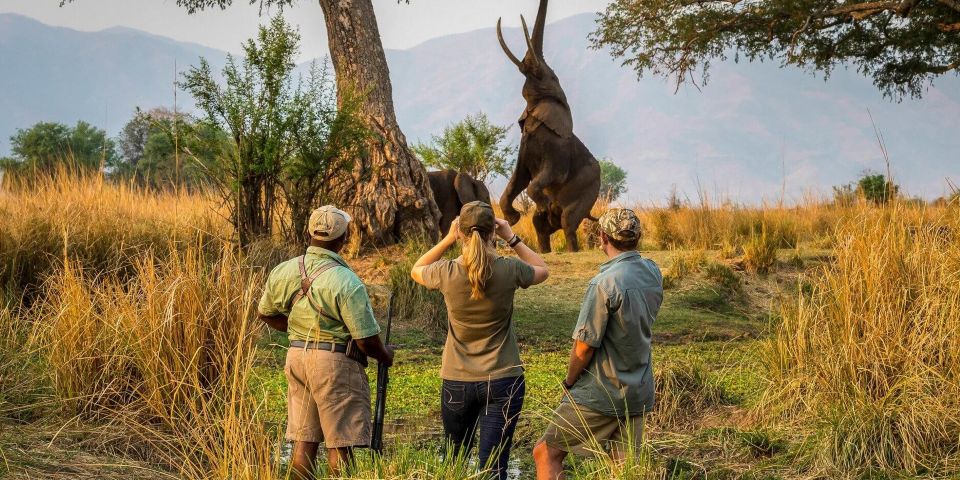
How a Standard 7-Day Itinerary Covers Both
No internal flight. No upgrade fee. Just one Land Cruiser, one guide, one circuit. Here's the day-by-day shape of every standard 7-day Northern Circuit booking.

We'll build the trip that does both.
Tell us your dates and tier. We'll send a quote that covers Ngorongoro, Serengeti, plus Manyara and Tarangire. No platform commission. Direct from Arusha.
Four Scenarios Where Picking One Park Is the Right Call
Roughly 1 in 10 of our enquiries genuinely should pick one park. So this section is for them. The honest scenarios where the 7-day Serengeti vs Ngorongoro decision flips toward "just one."
You only have 3 days total
3 days isn't enough for both. Day 1 is Arusha arrival. Day 2 is Tarangire or Manyara. Day 3 is Ngorongoro Crater, then home. A 3-day Serengeti push burns most of Day 2 in transit. The crater works in a single morning. So for genuinely short trips, Ngorongoro wins by logistics. See 3-day options from Arusha.
You're doing a JRO airport layover
Layovers usually give you 10 to 14 hours between flights. Ngorongoro is in day-trip range from JRO — about 3.5 hours each way, plus 4 to 5 hours on the crater floor. Serengeti needs a domestic flight and an overnight. Out of range. So for a single-day layover, the crater is the only realistic call.
You specifically want Mara River crossings
Crossings happen July to October at the Mara River in northern Serengeti. Ngorongoro isn't on the migration route. The herds don't pass through. So if crossings are non-negotiable and you only have 3 to 4 days, skip Ngorongoro and commit those days to Northern Serengeti. See Tanzania vs Kenya for crossings for the full timing picture.
You want black rhinos with limited park days
Ngorongoro has about 30 resident black rhinos in 260 sq km. Highest reliable rhino sighting rate in East Africa. Serengeti has rhinos too, but in Moru Kopjes — central-southern, hours of tracking. So for 2 to 3 park days with rhino as the priority, the crater wins without question.
These four scenarios cover maybe 1 in 10 clients. The other 9 should do both. So if your situation isn't in this list, scroll back up.
What Doing Both Actually Costs
A common assumption is that doing both will double the cost. It won't. The fixed costs — driver, vehicle, transfers — amortise across more days. So doing both is cheaper per day, not more.
Doing Both (7-day standard)
mid-range tier
- Manyara · Ngorongoro · Serengeti · Tarangire
- 2 full Serengeti game-drive days
- 1 Ngorongoro crater morning
- Same Land Cruiser, same guide, all 7 days
- ~$600/day pp blended cost
Picking One Park (7-day)
mid-range tier
- One park focus (usually Serengeti only)
- Internal flight needed if Serengeti-only
- Same vehicle days, but less ground covered
- Same lodge tier as the "both" version
- ~$580/day pp blended cost
Doing both costs roughly $200–$400 pp more. That's the entire price of the question. Less than the cost of an extra night at most rim lodges.
| Scenario | What You Get | Approx. Cost (mid-range pp) |
|---|---|---|
| 3-day, Ngorongoro only | Arusha + Tarangire/Manyara + Ngorongoro Crater | ~$1,650 pp |
| 3-day, Serengeti only (with flight) | Arusha + Serengeti fly-in + 2 days central | ~$2,200 pp |
| 4-day, both parks (rushed) | Arusha + Ngorongoro + 2 days Serengeti | ~$2,650 pp |
| 7-day Northern Circuit (proper) | Arusha + Manyara + Ngorongoro + Serengeti (2 full) + Tarangire | ~$4,200 pp |
A Day in the Crater, A Day on the Plains
Day 4 starts before the sun. You're up at 5:30 am at Plantation Lodge or a rim lodge in Karatu. Coffee in the cold. The descent gate opens at 6:30. By 7 am you're rolling down the Seneto road, 600 metres of altitude in 20 minutes. The crater floor opens up below.
And within half an hour you're stopped. Elephants in the Lerai Forest. Buffalo in the marsh. Lions on the open grass. So the crater delivers Big Five density in a way no other African park does. By 1 pm you've climbed back up the Lerai ascent. Picnic lunch on the rim. Then it's west.
The Day 4 afternoon drive is 3 to 3.5 hours. Olduvai Gorge on the right. Naabi Hill Gate at about 4 pm. The fee meter switches from NCAA to TANAPA. First Serengeti night is usually at a Central Serengeti tented camp near Seronera. By then most clients have been awake 14 hours and the next morning still feels like a different country.
Day 5 is the Serengeti full day. 6 to 8 hours out. Different zones depending on guide reports — Seronera river for resident lions, the kopjes for cheetah, west toward the Grumeti for migration if it's June. So this is the trip's scale day. Single lion tracks across a kilometre of grass. The honest Serengeti vs Ngorongoro answer is here too — not on a comparison table, but in how different these two sensory experiences feel back to back.
Day 6 retraces the route east through NCAA. Crests the rim at sunset on the way back. Down to Karatu for the night. Day 7 is Tarangire — 2 hours from Karatu, ancient baobabs, Tanzania's largest elephant population. Then JRO. So 7 days. Four parks. One Land Cruiser. The 7-day Serengeti vs Ngorongoro question dissolves around Day 4.
Still trying to pick one?
Tell us your situation. If doing one genuinely makes sense for your dates and priorities, we'll say so. We turn down work like that maybe twice a month. So it's an honest filter, not a sales script.
Serengeti vs Ngorongoro 7-Day Safari FAQs
Is Serengeti or Ngorongoro better on a 7-day safari?
Can I visit both Serengeti and Ngorongoro in one 7-day trip?
How far is Serengeti from Ngorongoro Crater?
Which park is more expensive?
Is Ngorongoro inside the Serengeti?
How many days do I need for each park on a 7-day Serengeti vs Ngorongoro itinerary?
Which has better wildlife viewing, Serengeti or Ngorongoro?
If I can only choose one, which should I pick?
Do Both — It's the Same Safari
The 7-day Northern Circuit covers both parks plus two supporting ecosystems. TATO-registered Arusha operator since 1991. No platform markup.
Or email info@safari-tz.com · Call +255 740 666 662