Best 7-Day African Safari by Priority


First-Time Safari
Tanzania — Northern Circuit (Serengeti · Ngorongoro · Tarangire · Manyara).
Migration Crossings
Tanzania (Aug–Oct) or Kenya (Jul–Sep) at the Mara River.
Malaria-Free Family
South Africa — Madikwe or Eastern Cape private reserves.
Luxury Water Safari
Botswana — Okavango Delta private concessions.
Gorilla Trekking
Rwanda (Volcanoes) or Uganda (Bwindi).
Budget-Conscious
Tanzania (mid-range from $4,200pp) or Kenya.
TATO Registered Operator (1991)
Tanzania Specialists, Continent-Informed
35 Years Watching African Safari Choices
Honest Operator Comparisons
Named Guides: Geoffrey · William · Isaac

Why "Best" Is the Wrong Question for 7-Day African Safaris


"Best" implies there's a single right answer. For 7-day African safaris, there isn't. Tanzania's Northern Circuit and Kenya's Masai Mara are genuinely different products. Botswana's water safaris and Namibia's desert safaris aren't comparable experiences. Rwanda gorilla trekking isn't a traditional safari at all. The generic "top 10 African safaris" editorial content you'll see on Condé Nast, Travel + Leisure, and SafariBookings treats these as rankable competitors. They aren't. They're different products for different travellers. "The reader asking 'best 7-day African safari' usually has a specific priority they haven't articulated yet — budget, season, family-friendliness, wildlife specific to a region. Once that priority is named, the destination falls out. This page exists to help you name your priority first, then match it to a destination."

Jump to your priority for destination recommendations, or read through for the comprehensive comparison.

8 African Safari Destinations Compared Honestly


Below is the operator-honest comparison of 8 African safari destinations that genuinely support 7-day itineraries. Each row captures a real trade-off — "which destination does this specific thing best" rather than "which destination wins overall." Use the comparison to find your matches, then read the destination breakdowns further down for depth. "No destination wins every row. That's the point of this page — and the reason the editorial listicle format misleads readers about what African safaris actually are." — William Mwasimba, Safari Consultant

FactorTanzaniaKenyaSouth AfricaBotswanaNamibiaZambiaRwandaUganda
Primary 7-day regionNorthern CircuitMasai Mara + AmboseliKruger + Sabi SandOkavango + ChobeEtosha + SossusvleiSouth LuangwaVolcanoes NPBwindi + Queen Elizabeth
Big Five availabilityAll 5 (rhino in Ngorongoro)All 5 (rhino at Lake Nakuru)All 5 (reliable across Kruger)All 5 (variable)Lion, elephant, rhino (no buffalo)All 5 (South Luangwa)N/A (gorillas)Lion, elephant, buffalo + gorillas
Migration presenceAug–Oct, Dec–Mar (Ndutu)Jul–Sep (Mara crossings)N/AN/AN/AN/AN/AN/A
Malaria riskHigh (prophylaxis required)HighLow–Medium (Kruger high, E. Cape low)Medium–HighVery lowHigh (South Luangwa)MediumMedium
Park fees per day$82.60pp (Serengeti)$100–200pp (Mara)R460pp (Kruger, ~$25)$60–100pp$10–30pp$25pp$1,500pp (gorilla permit)$800pp (gorilla permit)
7-day cost (mid-range pp)$4,200$4,500–5,200$4,800–5,500$8,500–12,000$3,800–4,800$4,500–5,500$5,500–7,500$5,000–7,000
Vehicle densityMedium (low Serengeti, high crater)Medium–High (Mara Jul–Sep)Medium (Kruger busy)Very lowLowLowN/A (trekking)Low
Family-friendly (under-12s)Age restrictions at some campsGoodBest (malaria-free options)Limited (fly-in complex)GoodLimited15+ only15+ only
Walking safari qualityLimitedLimitedModerateExcellent (Okavango)LimitedWorld-class (South Luangwa)Gorilla trekkingGorilla + savanna walks
Fly-in vs drive realityDrive typical (Arusha base)Mix (Mara often fly-in)Drive or flyFly-in requiredDrive or flyFly-in typicalFly Kigali + driveFly Entebbe + drive
Ease of independent travelMid (operator recommended)MidEasy (self-drive Kruger)Hard (operator required)Easy (self-drive)Mid–HardMidMid–Hard
7-day trip viabilityIdealIdealIdealTight (4–5 days better)Ideal for combined tripIdeal for walking focusTight (3–4 days typical)Good (combined trips)
Tanzania appears as "ideal" for 7-day trips because the Northern Circuit's four parks pack 7 days efficiently with reasonable drive times. Botswana appears "tight" because Okavango Delta trips usually run 4–5 days — a 7-day Botswana trip typically combines Delta + Chobe + Kalahari, which is ambitious. Every row captures a genuine trade-off. No destination wins every row — which is the point of this page.
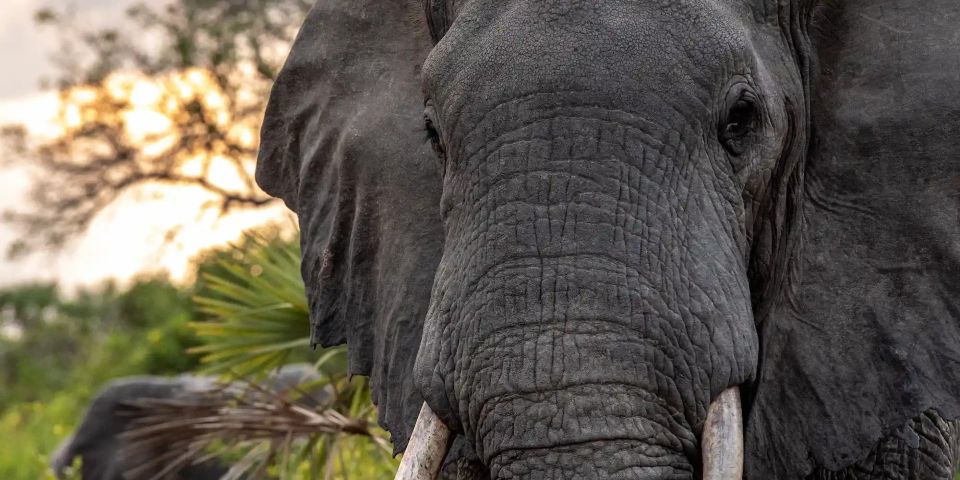
African safari wildlife across multiple destinations — 8 countries compared

Best 7-Day African Safari by Specific Priority


Eight priorities matched to destinations. Each recommendation is the honest operator answer — not the most expensive option, not the highest-margin option, but the one that delivers best on that specific priority for most travellers. Where multiple destinations tie, we name both. "These are the priorities our enquiries cluster around. The editorial listicles rank destinations by 'overall quality' — we rank them by 'which one wins for your specific reason for going.'" — Geoffrey Komba, Head Guide

Priority — First-Time Safari

First-time traveller to Africa

Tanzania — Northern Circuit

Best combination of predictable wildlife (Big Five in 7 days), accessible logistics (one airport, one circuit), and cost-to-experience balance. Kenya Masai Mara + Amboseli is comparable but Kenya's Mara gets crowded July–September. Serengeti is 10x larger than the Mara (14,763 vs 1,500 sq km), which means lower vehicle density at sightings. First-timers benefit from Tanzania's structured 7-day template — Arusha start, Tarangire, Ngorongoro, Serengeti, return.

Priority — Migration Chaser

Great Migration specifically

Tanzania (Aug–Oct, Dec–Mar) or Kenya (Jul–Sep)

Tanzania wins on migration presence — herds are in Tanzania 8 months a year (Ndutu calving Dec–March, central migration April–July, northern Serengeti Aug–October). Kenya wins specifically on Mara River crossings July–September. Dual-country trips covering both sides of the Mara are possible in 10–14 days but not 7. For 7 days, pick your specific migration moment and book the country that delivers it in that window.

Priority — Photography Focus

Serious wildlife photography

Botswana (Okavango) or Zambia (South Luangwa)

Photography-focused travellers benefit from low vehicle density and long sighting time. Botswana's Okavango private concessions allow off-road driving and night drives — Tanzania and Kenya national parks don't. Zambia's South Luangwa is famous for walking safaris and intimate wildlife encounters with renowned guides. Both destinations trade cost-efficiency for photography quality. Expect $8,000–15,000pp for a 7-day photography trip. Tanzania and Kenya work for photography but are second-choice destinations for this specific priority.

Priority — Budget-Conscious

Budget-conscious first-time traveller

Tanzania (Camping or Budget Comfort tier)

Tanzania offers genuine budget tiers starting at $2,490pp for 7 days including all four Northern Circuit parks, private vehicle, and driver-guide. Kenya budget options exist but concentrate in group safaris rather than private experiences. South Africa is affordable in Kruger's SANParks rest camps but requires self-drive comfort. Budget-tier Tanzania preserves the core experience (same parks, same wildlife, same guides) at half the mid-range cost. Namibia is also budget-friendly but works better as a self-drive trip than an operator-booked safari.

Priority — Luxury Tier

Luxury ($8,000+ pp) traveller

Botswana or Tanzania Luxury

Botswana's private concessions (Mombo, Vumbura, Duba Plains) set the global luxury safari standard — $1,500–3,500 per person per night. Tanzania's luxury tier (Singita, &Beyond, Four Seasons) is comparable at $800–1,800pp per night and more accessible logistically. South Africa's Sabi Sand (MalaMala, Singita Sabi) is also world-class but operates in a denser safari environment. For pure luxury experience, Botswana wins. For luxury + efficient logistics in 7 days, Tanzania is the practical choice.

Priority — Family-Friendly

Family with children under 12

South Africa (Madikwe or Eastern Cape)

Malaria-free regions are the differentiator for families with young children. South Africa's Madikwe Game Reserve and Eastern Cape private reserves (Shamwari, Kwandwe) are Big Five malaria-free destinations. Tanzania and Kenya require malaria prophylaxis for children. Some Tanzania lodges accept children 7+ but age restrictions are common — families often find themselves constrained in lodge choice. South Africa also offers child-specific programming (junior ranger programs) that Tanzania and Kenya generally don't. For families under 12, South Africa is the operationally simpler choice.

Priority — Honeymoon

Honeymoon — romantic, secluded, photogenic

Botswana or Tanzania (Serengeti luxury)

Honeymoon priorities are typically privacy, photography opportunities, and couple-focused amenities (plunge pools, private dining). Botswana's Okavango private concessions deliver all three with almost zero vehicle density. Tanzania's Serengeti luxury camps (Singita Faru Faru, Four Seasons Bilila) offer similar privacy with easier logistics. South Africa's Sabi Sand and Cape Winelands combo works for honeymoons that want wildlife + wine. Avoid Kenya's Mara for July–September honeymoons — the crowds undermine the romance.

Priority — Bucket-List

Big Five, Migration, Gorillas — the full list

14-day combination trip (not 7 days)

Completing the full African bucket list in 7 days isn't realistic. Tanzania Northern Circuit delivers Big Five + migration. For gorilla trekking, Rwanda or Uganda is required — that adds 3–5 days minimum. For the full bucket list, plan 12–14 days: Tanzania + Rwanda over 10–12 days is the standard bucket-list itinerary. If you only have 7 days, pick wildlife OR gorillas, not both. Most clients prioritise migration over gorillas for a first Africa trip.

8 African Safari Destinations — Honest Operator Breakdowns


Each destination below gets the same treatment — primary region, what it wins at, honest limitations, 7-day viability, and pricing band. Tanzania section includes our transparent bias (we're the 35-year Arusha operator writing this). Other destinations get operator-informed perspective without overclaiming expertise. For Tanzania we link to deeper pages. For others, we trust you to do parallel research with destination specialists.

1. Tanzania


Northern Circuit — Serengeti · Ngorongoro · Tarangire · Lake Manyara

Tanzania's Northern Circuit is the most-booked 7-day African safari for good reasons. Serengeti (14,763 sq km) offers the largest intact savanna ecosystem in Africa. Ngorongoro Crater delivers Big Five in a single morning with resident black rhinos. Tarangire and Lake Manyara provide variety. Arusha serves as the operational base, 45 minutes from Kilimanjaro International Airport (JRO). Drive times between parks are manageable (2–4 hours), which makes a 7-day circuit work efficiently. Great Migration presence 8 months a year (Dec–Mar Ndutu calving, Apr–Jul central/western, Aug–Oct northern Mara River). Where it wins: first-time travellers, Big Five efficiency, migration presence, cost-to-experience balance at mid-range tier. Where it's limited: not malaria-free, some lodge age restrictions for families. Named guides Geoffrey Komba, William Mwasimba, and Isaac Munuo handle most Safari-TZ bookings. Read our complete 7-day Tanzania safari guide.

Pricing: $2,490–$18,600ppBest: Jul–Oct, Jan–Feb7-day: Ideal

2. Kenya


Masai Mara + Amboseli (or Samburu)

Kenya's Masai Mara is smaller than Serengeti (1,500 sq km) but arguably the world's most famous safari destination. Mara River crossings July–September are the migration's signature spectacle when herds move from Serengeti into Kenya. Amboseli offers elephants against Kilimanjaro backdrops. Nairobi serves as the operational hub with direct connections from most major international cities. Where it wins: Mara River crossings specifically (Jul–Sep window), Big Five reliability, elephant photography in Amboseli. Where it's limited: Mara crowds during peak season (can exceed Serengeti density despite smaller area), park fees are among Africa's highest ($100–200pp/day), and 7-day trips often require internal flights between reserves. Honest note: for the Great Migration generally, Tanzania wins on days of presence. For the Mara crossings specifically, Kenya is the definitive answer. See our Tanzania vs Kenya 7-day safari comparison for the full picture.

Pricing: $4,500–$14,500ppBest: Jul–Oct7-day: Ideal

3. South Africa


Kruger National Park + Sabi Sand (or Madikwe)

South Africa offers the most logistically accessible 7-day African safari. Kruger National Park is self-drive-friendly with SANParks rest camps at budget tier — daily conservation fee approximately R460pp (~$25). Sabi Sand private reserves (MalaMala, Singita, Londolozi) set the global luxury standard with reliable leopard sightings. Madikwe and Eastern Cape private reserves (Shamwari, Kwandwe) are malaria-free — the differentiator for family travellers with young children. Johannesburg O.R. Tambo is the typical entry airport with direct Delta and South African Airways connections. Where it wins: family-friendly malaria-free options, self-drive viability, accessible luxury, combination with Cape Town and Cape Winelands. Where it's limited: doesn't deliver the Serengeti or Mara scale experience, no Great Migration, Kruger can be crowded during South African school holidays. Honest note: South Africa's safari experience feels different from East Africa — more "driving through a park" than "crossing an ecosystem."

Pricing: $2,800–$15,500ppBest: May–Sep7-day: Ideal

4. Botswana


Okavango Delta + Chobe + Moremi

Botswana's Okavango Delta is the world's largest inland delta and one of Africa's most distinctive safari experiences. Mokoro canoe safaris, water-based game viewing, and walking safaris replace the vehicle-focused game drives of East Africa. Private concessions allow off-road driving and night drives — restrictions common in Tanzania and Kenya national parks. Chobe offers dense elephant populations (over 50,000 animals). Maun serves as the fly-in hub — virtually all Okavango Delta access requires charter flights ($250–500pp per leg). Where it wins: photography, exclusivity (very low vehicle density), water-based safaris, walking safaris. Where it's limited: cost (entry-level $6,500pp for 7 days, luxury reaches $20,000+pp), fly-in logistical complexity, fewer Big Five guaranteed moments than East Africa because of seasonal water shifts. Honest note: Botswana is typically a "second-safari" destination for most travellers — the experience assumes familiarity with the basics, and 7 days works better split across regions (Delta + Chobe + Kalahari).

Pricing: $6,500–$22,000ppBest: May–Oct7-day: Tight

5. Namibia


Etosha National Park + Sossusvlei + Damaraland

Namibia offers Africa's most accessible self-drive safari on well-maintained roads. Etosha's waterholes concentrate wildlife in dry season (June–October) with desert-adapted species — oryx, springbok, desert elephants. Sossusvlei's red dunes (some exceeding 300m) deliver photography unlike anywhere else in Africa. Windhoek's Hosea Kutako International Airport is the typical entry with connections via Johannesburg or Frankfurt. Park fees are modest ($10–30pp/day). Where it wins: self-drive independence, desert-adapted wildlife, dramatic landscape photography, malaria-free status across most regions. Where it's limited: not a Big Five guarantee destination (buffalo essentially absent), fewer traditional game drives than East Africa, distances between regions require long driving days (Etosha to Sossusvlei is approximately 900km). Honest note: Namibia suits travellers who want wildlife plus landscape plus independence. Not optimal for first-time African safari travellers wanting dense wildlife experiences — the appeal is the arid-landscape character, not the game density.

Pricing: $3,800–$12,000ppBest: Jun–Oct7-day: Ideal

6. Zambia


South Luangwa + Lower Zambezi

Zambia is the world capital of walking safaris. South Luangwa National Park pioneered the walking safari concept in the 1950s and remains its global standard. Guided walks with armed rangers cover 8–15km per day across dry season (May–October). Lower Zambezi offers canoe safaris on the Zambezi River. Lusaka and Mfuwe are the entry airports, typically requiring internal charter connections. Park fees are modest ($25pp/day). Where it wins: walking safaris (no other country competes at this level), wild and authentic atmosphere, renowned guiding tradition, lower tourist density than Tanzania or Kenya. Where it's limited: wet season (Nov–Apr) makes most camps inaccessible, 7-day trips typically focus on one region, international logistics require patience with charter connections. Honest note: Zambia is a specialist destination. If walking safaris or guiding quality aren't your top priority, Tanzania or Kenya deliver more conventional safari experiences more efficiently — but for travellers who specifically want to walk with a guide in big-cat country, nothing competes with South Luangwa.

Pricing: $4,500–$13,500ppBest: May–Oct7-day: Ideal (single-region focus)

7. Rwanda


Volcanoes National Park (Gorilla Trekking)

Rwanda's Volcanoes National Park offers the world's most accessible mountain gorilla trekking. Gorilla permits cost $1,500 per person per trek (one hour with a gorilla family). Kigali International Airport is approximately 3 hours by road from Volcanoes — Rwanda is politically stable, logistically smooth, and infrastructure-rich for a gorilla trekking destination. Akagera National Park offers savanna wildlife (recently reintroduced Big Five) as a supplementary 2-day extension. Nyungwe Forest offers chimpanzee trekking. Where it wins: easiest gorilla trekking logistics in East Africa, country-level safety and organisation, high-end luxury accommodations (Bisate, Singita Kwitonda, One&Only Gorilla's Nest). Where it's limited: gorilla trekking isn't a traditional safari (no vehicle-based game drives in Volcanoes), permit cost is significant, 7-day Rwanda-only trips require creative structuring (2–3 trek days plus Akagera plus Lake Kivu). Honest note: Rwanda is typically a 3–5 day destination within a broader African safari combination — Tanzania + Rwanda is the standard bucket-list pairing.

Pricing: $5,500–$16,500ppBest: Jun–Sep, Dec–Feb7-day: Tight (combination recommended)

8. Uganda


Bwindi Impenetrable Forest + Queen Elizabeth National Park

Uganda offers gorilla trekking plus savanna wildlife in a single country — a genuine differentiator. Bwindi Impenetrable Forest holds approximately half the world's remaining mountain gorillas (~1,000 individuals). Queen Elizabeth National Park delivers tree-climbing lions, elephants, and Kazinga Channel boat safaris. Murchison Falls offers Nile waterfalls plus savanna wildlife. Uganda gorilla permits cost $800 (versus Rwanda's $1,500). Entebbe International Airport is the typical entry, with longer overland transfers (7–10 hours to Bwindi) than Rwanda offers. Where it wins: gorilla plus savanna combination, lower gorilla permit cost, Kazinga Channel boat safaris, wider wildlife variety than Rwanda. Where it's limited: road travel demands (Uganda is large, transfers are long), infrastructure less polished than Rwanda's, some regions require 4x4 vehicles and patience during wet months. Honest note: Uganda rewards travellers who want the gorilla experience plus traditional safari in one country, accepting longer overland days as the trade-off. For travellers with 7 days and tolerance for drive time, Uganda delivers both halves of the bucket list in one place.

Pricing: $4,800–$12,500ppBest: Jun–Sep, Dec–Feb7-day: Ideal for gorilla + savanna combo
Sub-Destinations Within Each Country — What Actually Differs


The country choice is the first decision. The region within the country often matters more. A 7-day Kenya trip in the Mara is fundamentally different from a 7-day trip in Samburu or Laikipia. Southern Kruger feels different from northern Kruger. Serengeti's northern zones versus southern Ndutu offer completely different wildlife experiences. This section covers the regional variations that matter most within each destination — the operator-level detail that generic "best of" content misses.

Tanzania

  • Northern Circuit (standard): Serengeti + Ngorongoro + Tarangire. The default 7-day template. Best for first-time visitors.
  • Southern Circuit (Ruaha + Selous/Nyerere): Wilder, less visited. Best for repeat visitors seeking authenticity.
  • Ndutu (southern Serengeti, Dec–Mar): Calving season concentration. Best for predator action in Jan–Feb.
  • Northern Serengeti (Mara River, Aug–Oct): River crossings. Best for migration crossing priority.

Kenya

  • Masai Mara: Famous migration plus Big Five. Best Jul–Sep for crossings.
  • Amboseli: Elephants plus Kilimanjaro backdrop. Best Jun–Oct.
  • Samburu / Laikipia: Arid region with Grevy's zebra and reticulated giraffe. Best for different landscapes and species.
  • Lake Nakuru: Flamingos plus rhinos (both black and white). Best as day-trip addition.

South Africa

  • Kruger National Park: Accessible self-drive Big Five. Best budget to mid-range.
  • Sabi Sand (private): World-class leopards, off-road driving permitted. Best luxury tier.
  • Madikwe + Eastern Cape: Malaria-free Big Five. Best for families with young children.
  • KwaZulu-Natal (Hluhluwe-iMfolozi): Rhino conservation heartland. Best for rhino focus.

Botswana

  • Okavango Delta: Water-based safaris with mokoros. Best for photography and exclusivity.
  • Chobe: Massive elephant herds plus river safaris. Best Jun–Oct for density.
  • Moremi Game Reserve: Mixed land plus water experience. Best for variety.
  • Kalahari (CKGR): Desert-adapted lions plus arid landscapes. Best as specialist extension.

Namibia

  • Etosha National Park: Waterhole concentration in dry season. Best Jun–Oct.
  • Sossusvlei + NamibRand: Red dunes plus landscape photography. Best May–Sep (cool mornings).
  • Damaraland: Desert elephants plus rhino tracking. Best as specialist experience.
  • Skeleton Coast: Remote coastal desert. Best for adventure travellers.

Zambia

  • South Luangwa: Walking safaris plus leopard density. Best May–Oct.
  • Lower Zambezi: Canoe safaris on the Zambezi River. Best for water-based experience.
  • Kafue National Park: Second-largest park in Africa. Best for off-the-beaten-path.
  • Busanga Plains: Seasonal flood plains. Best Aug–Oct.

Rwanda

  • Volcanoes National Park (Musanze): Mountain gorilla trekking. Best year-round (drier Jun–Sep).
  • Akagera National Park: Savanna wildlife plus recently reintroduced Big Five. Best as 2-day extension.
  • Nyungwe Forest: Chimpanzee trekking plus canopy walk. Best for chimp-focused visits.
  • Lake Kivu: Scenic lake plus beach-style relaxation. Best as post-trekking unwind.

Uganda

  • Bwindi Impenetrable Forest: Gorilla trekking (half of all remaining mountain gorillas). Best Jun–Sep.
  • Queen Elizabeth National Park: Tree-climbing lions plus Kazinga Channel. Best for savanna component.
  • Murchison Falls: Nile waterfalls plus wildlife. Best for landscape plus savanna combination.
  • Kibale Forest: Chimpanzee trekking. Best for primate-focused visits.

What 7-Day African Safaris Actually Cost — All 8 Destinations


Price transparency is rare in African safari marketing. Most "best of" editorial content avoids pricing entirely or uses meaningless $-$$$$ symbols. Below are real pricing bands across the 8 destinations, at three tiers (budget, mid-range, luxury), in 2026 shoulder season. Peak season adds 15–25%. Green season runs 15–25% below shoulder. Private luxury concessions and ultra-luxury trips can exceed the stated upper bounds significantly.

DestinationBudget (pp)Mid-range (pp)Luxury (pp)Notes
Tanzania$2,490–$3,290$4,200–$4,650$7,500–$18,600All 4 parks included; park fees ~$470pp
Kenya$3,200–$4,000$4,500–$6,200$8,500–$15,500Higher park fees ($100–200pp/day Mara)
South Africa$2,800–$3,500$4,800–$6,500$8,000–$15,500Self-drive Kruger $1,800–$2,500pp
Botswana$6,500–$7,800$9,500–$12,000$15,000–$22,000Fly-in adds $1,500–$2,500pp
Namibia$3,800–$4,500$5,500–$7,500$8,500–$12,000Self-drive can reduce by 30%
Zambia$4,500–$5,500$6,500–$9,500$10,500–$13,500Fly-in transfers typical
Rwanda$5,500–$7,000$8,000–$11,500$12,500–$16,5002 gorilla permits = $3,000pp
Uganda$4,800–$6,000$6,500–$8,500$9,500–$12,500Gorilla permit $800pp
Three observations worth naming. First: Tanzania's mid-range ($4,200pp) is the lowest mid-range price among migration-capable destinations — the cost-to-experience math favours it at this tier. Second: Botswana's entry-level is higher than most countries' luxury tier — the "no such thing as cheap Botswana" rule holds at the country level. Third: Rwanda and Uganda's gorilla permits drive pricing variance — countries look expensive until you subtract the $1,500–$3,000pp permit cost, after which the underlying safari costs are comparable to Tanzania and Kenya. Inclusions differ meaningfully between destinations — our 2026 Tanzania cost context and pricing matrix cover Tanzania specifically in full.

Seasonal Timing Across All 8 Destinations


"Best African safari destination" depends on when you're travelling. December through February work brilliantly for Tanzania (Ndutu calving) but are wet season for Zambia and low season for Kenya's Mara. July through September are peak for East African migration but hot and dry in Botswana. This matrix shows which destinations work best in each month, so you can match travel dates to destination before booking. Rated on a 3-tier scale: Best · Good · Low / Avoid.

CountryJanFebMarAprMayJunJulAugSepOctNovDec
TanzaniaBestBestGoodLowLowGoodBestBestBestBestGoodGood
KenyaGoodGoodGoodLowLowGoodBestBestBestBestGoodGood
South AfricaGoodGoodGoodGoodBestBestBestBestBestGoodGoodGood
BotswanaLowLowLowGoodBestBestBestBestBestBestGoodLow
NamibiaLowLowGoodGoodGoodBestBestBestBestGoodGoodGood
ZambiaLow (wet)Low (wet)LowGoodBestBestBestBestBestBestGoodLow
RwandaGoodGoodLowLowGoodBestBestBestBestGoodGoodGood
UgandaGoodGoodLowLowGoodBestBestBestBestGoodGoodGood
Three seasonal observations. First: July–September is the "safe" window for most African safari destinations — East Africa peak, Southern Africa excellent. Second: January–February works brilliantly for Tanzania (Ndutu calving) and South Africa (summer) but poorly for Botswana and Zambia. Third: April–May is green season across most destinations — cheapest pricing (15–25% off peak), lush landscapes, some lodge closures. For travellers with date flexibility, the priority order matters: pick destination first based on priority, then pick within that destination's best months. For travellers with fixed dates, pick the destination that works best in your dates — forcing a Tanzania safari into April–May often produces disappointment. See best time to visit Tanzania for the Tanzania-specific detail.
African safari seasonal timing — best months across 8 destinations

Why Tanzania Wins for Most First-Time 7-Day Travellers (Our Honest Bias)


We're Safari-TZ — a 35-year Arusha-based Tanzania operator. We're writing a "best African safari" comparison page, which creates an obvious bias concern. Here's our honest position: for first-time 7-day African safari travellers, Tanzania's Northern Circuit wins for specific, defensible reasons — not because we sell it.

The scale argument is the starting point. Serengeti at 14,763 sq km is roughly 10 times larger than Kenya's Masai Mara (1,500 sq km), which means lower vehicle density at any given sighting. When a lion kill happens in the Mara during July–September, 30 to 80 vehicles converge within 20 minutes. The same kill in central Serengeti draws 5 to 12 vehicles. That's not a marketing claim — it's a land-area consequence.

The efficiency argument follows. Four parks reachable from one airport (Kilimanjaro International, JRO) in one circuit, with 2–4 hour drive times between them. Kenya requires multiple internal flights to connect Masai Mara, Amboseli, and Samburu in 7 days. South Africa's circuit works but doesn't deliver migration access. Botswana requires fly-in connections between every region. Tanzania's Northern Circuit packs more quality ecosystems per day than anywhere else on the continent.

The price argument holds at mid-range tier. Mid-range Tanzania at $4,200pp is lower than Kenya mid-range ($4,500–6,200pp) for comparable experience — and meaningfully lower than Botswana entry-level ($6,500pp+). The migration argument adds weight: Tanzania has migration presence 8 months a year (Ndutu calving Dec–Mar, central migration Apr–Jul, northern Serengeti Aug–Oct) versus Kenya's 3-month window. If migration is even a secondary priority, Tanzania gives more months to hit. The diversity argument closes it — the Northern Circuit packs 4 ecosystems (open plains, crater caldera, acacia woodland, groundwater forest) into 7 days. Our complete 7-day Tanzania safari guide covers the daily structure, and the pricing matrix breaks down all tiers.

"That said — for specific priorities, other destinations genuinely win. Malaria-free families should go to South Africa. Water-safari photographers should go to Botswana. Gorilla trekking requires Rwanda or Uganda. Tanzania isn't universally best. But for the default first-time 7-day African safari question, Tanzania is the highest-probability good answer. Which is why we've been booking this exact circuit from Arusha since 1991. Our Tanzania vs Kenya comparison covers the East Africa decision in depth." — Geoffrey Komba, Head Guide

Serengeti plains at golden hour — Tanzania Northern Circuit, the default 7-day African safari answer

Ready to Book Your 7-Day African Safari?

If Tanzania is your answer, we'll quote directly from Arusha. If it's another destination, we'll refer you to specialists we trust.

Best 7-Day African Safari — FAQs


What is the best 7-day African safari for first-time travellers?
For first-time African safari travellers with a 7-day window, Tanzania's Northern Circuit is the highest-probability good answer. It delivers Big Five wildlife, Great Migration presence 8 months of the year, and four distinct ecosystems (Serengeti plains, Ngorongoro Crater, Tarangire, Lake Manyara) accessible from one airport — Kilimanjaro International (JRO). Mid-range pricing runs $4,200pp including all parks, private vehicle, and driver-guide. Kenya's Masai Mara is a close second, particularly for July–September Mara River crossings. South Africa wins specifically for malaria-free families with young children. The right answer depends on your specific priorities, but Tanzania is the default good answer for unspecified first-time safari priorities. See our 7-day Tanzania safari pillar for the complete structure.
Which African country has the best safari?
No single African country has "the best" safari — it depends on your specific priorities. Tanzania wins for migration and efficient Big Five circuits. Kenya wins for Mara River crossings specifically. South Africa wins for malaria-free family options and accessible self-drive safaris. Botswana wins for luxury water-based safaris in the Okavango Delta. Namibia wins for self-drive independence and desert-adapted wildlife. Zambia wins for walking safaris. Rwanda wins for accessible gorilla trekking. Uganda wins for gorilla-plus-savanna combinations. The "best" country is the one that delivers your specific priority best. Pick your priority first — country falls out from that.
Is Tanzania or Kenya better for a 7-day safari?
Tanzania wins for most 7-day travellers on three measures: Serengeti is 10x larger than the Masai Mara (14,763 vs 1,500 sq km), resulting in lower vehicle density at sightings. Migration presence is longer in Tanzania (8 months/year) than Kenya (3 months/year). Mid-range pricing is roughly 7–15% lower in Tanzania than comparable Kenya trips. Kenya wins specifically on Mara River crossings (July–September) — Tanzania's northern Serengeti offers the same crossings on the other side of the same river. For crossings priority, both countries work. For general safari priority, Tanzania is the higher-probability good answer. See our Tanzania vs Kenya 7-day safari comparison for detail.
What's the best African safari for families with young children?
South Africa is the default answer for families with children under 12. The differentiator is malaria-free regions — Madikwe Game Reserve, Eastern Cape private reserves (Shamwari, Kwandwe), and KwaZulu-Natal's Hluhluwe-iMfolozi offer Big Five wildlife without malaria prophylaxis requirements. Tanzania and Kenya are malaria zones requiring anti-malarial medication for children, which some pediatricians discourage for under-6s. Many Tanzania lodges also have minimum age restrictions (often 7+ or 12+) that constrain family choices. South Africa lodges typically accept younger children and offer child-specific programming (junior ranger programs, age-appropriate game drives). For families where malaria is the blocking concern, South Africa is the operationally simpler choice.
Which African safari is best for the Great Migration?
For the Great Migration specifically, Tanzania wins on days of presence and Kenya wins on the signature Mara River crossings window. Migration herds are in Tanzania approximately 8 months per year — Ndutu calving December through March, central Serengeti April through July, northern Serengeti August through October. Kenya's Masai Mara hosts the herds approximately 3 months per year (July through October), including the famous Mara River crossings. For a 7-day migration-focused trip: July–September, Kenya is ideal for crossings; other months, Tanzania is the answer. Combined Tanzania + Kenya trips covering both sides of the Mara are possible in 10–14 days.
What's the cheapest African country for a 7-day safari?
Tanzania and South Africa offer the cheapest genuine 7-day safari experiences. Tanzania budget-tier safaris start at $2,490 per person for 7 days covering all four Northern Circuit parks (Serengeti, Ngorongoro, Tarangire, Lake Manyara) with private vehicle and driver-guide. South Africa self-drive Kruger trips can come in under $2,000pp but require comfort with independent travel. Namibia self-drive is also affordable ($3,800+pp). Budget-tier Tanzania preserves the core private-vehicle safari experience at entry-level pricing, which isn't true of every destination. Kenya's budget tier concentrates on group safaris rather than private trips. Avoid mistaking cheap group trips for cheap private safaris — the experience differs substantially. See our 2026 Tanzania safari cost page for detail.
Can I see gorillas and Big Five in 7 days?
Not realistically in 7 days. Gorilla trekking requires Rwanda or Uganda, and Big Five wildlife requires an East African or Southern African savanna destination. The logistics of combining both in 7 days force compromises that typically produce a frustrating trip. Realistic combinations take 10–14 days: Tanzania Northern Circuit (7 days Big Five + migration) + Rwanda Volcanoes (3–5 days gorillas) is the standard bucket-list itinerary. Uganda offers both gorillas and savanna wildlife in one country, but 7 days is tight for quality exposure to both. For 7 days specifically, pick gorillas OR wildlife — attempting both produces a trip where neither experience is properly delivered.
Which African safari has the best luxury lodges?
Botswana's private concessions and South Africa's Sabi Sand set the global luxury safari standard. Botswana's Mombo Camp, Vumbura Plains, and Duba Plains run $1,500–$3,500 per person per night and operate in private concessions with zero vehicle density. South Africa's Sabi Sand reserves (MalaMala, Singita Sabi Sand, Londolozi) offer equivalent luxury with reliable leopard sightings — the closest Big Five experience to guaranteed. Tanzania's luxury tier (Singita Grumeti, Four Seasons Serengeti, &Beyond properties) is world-class but operates in national parks rather than private concessions, which means more regulation on off-road driving and night drives. For pure luxury, Botswana wins. For luxury with efficient 7-day logistics, Tanzania is the practical choice.
When is the best time for an African safari?
July through September is the "safe" window — peak season in Tanzania, Kenya, Botswana, Zambia, Rwanda, and Uganda simultaneously. May and October are excellent shoulder months with lower crowds and pricing 15–20% below peak. January–February works brilliantly for Tanzania's Ndutu calving season and South Africa (summer). April–May is green season — cheapest pricing across most destinations, lush landscapes, some lodge closures. The "best" month depends on destination and priority: for Tanzania Northern Circuit and Kenya Masai Mara crossings, July–September. For Botswana, May–October. For South Africa, year-round with May–September optimal. For gorilla trekking, June–September and December–February (drier months). See best time to visit Tanzania safari for the Tanzania-specific picture.
Is 7 days enough for an African safari?
For most first-time travellers, 7 days is enough for an African safari focused on one primary destination. Tanzania's Northern Circuit, Kenya's Masai Mara + Amboseli, and South Africa's Kruger + Sabi Sand all work well in 7 days. Botswana's Okavango works better at 4–5 days plus additional regions for 7–9 days total. Gorilla trekking destinations (Rwanda, Uganda) often combine with broader East African trips for 10–14 days. For attempting multiple countries or gorillas + Big Five, 7 days becomes insufficient. For a focused single-destination 7-day African safari, the duration is ideal. Our is 7 days enough for Serengeti page covers this specifically for Tanzania.

Tanzania — Our 35-Year Specialty. Continental Context — Our Honest Perspective.

If you want Tanzania, we quote directly from Arusha. If you want another destination, we'll help you think through the decision honestly.

Or email info@safari-tz.com · Call +255 743 100 673

WhatsApp