You Climbed Kilimanjaro. Now Your Post-Kilimanjaro Safari.
A post-Kilimanjaro safari is not a standard safari. After 5 to 7 days at altitude, the body needs slower mornings, shorter Day 1 drives, and the right lodge for the first night off the mountain. We are based in Arusha — 45 minutes from the Kilimanjaro gate. We have planned the safari after the climb for clients since 1991.
So Day 1 stays short. Tarangire, two hours from Arusha. By Day 2, the body has settled. By Day 3 or 4, the Serengeti opens up. The result is a safari you actually feel, not a transit grind.
"Most overseas resellers plan post-summit safaris from another continent. They book Day 1 in the Serengeti — six hours of road on tired legs. We don't. The mountain teaches you what your body can handle. Day 1 of the safari should respect that."Three Operator Truths Before You Plan
Why the Safari After Kilimanjaro Is Unlike Any Other
You climbed for the view from above. Now come down to a different one.
No more stoves at 4,600m. No more cold tents. No more counting steps.
Just a vehicle on warm ground, a guide who knows where the lions sleep, and the slow weight of the savannah falling into place around you.
The hours after a summit have a particular weight. The effort is behind you. The altitude risk fades fast as you descend. And somewhere in the exhaustion, most climbers feel the same thought: they are already in Tanzania. The most spectacular wildlife ecosystem on the continent is two hours from where they stand.
That said, a post-Kilimanjaro safari is not the same as a fresh-arrival safari. The body is different. The legs are tired. The appetite has been off for a week. So the planning has to change. The drive on Day 1 has to be shorter. The lodge has to be calmer. The schedule has to allow a slow morning if the headache has not lifted yet.
In our experience, the contrast is the experience. Kilimanjaro's upper zones are austere — beautiful, but defined by absence. Almost nothing lives above 4,200m. So the elephant herds in Tarangire feel even bigger. The crater's wildlife density feels even denser. Clients who climb first describe the safari as richer for having seen the emptiness of the mountain. They are not comparing it to other safaris. They are comparing it to the summit.
"I have driven the Marangu road in the dark a hundred times to collect summit-day clients. By the time I get them to Arusha, they are quiet, they are hungry, and they want a hot shower. The next morning, on the way to Tarangire, they start to talk again. By the time we see the first elephant herd, they have remembered why they came." — William Mwasimba, Senior Safari Consultant
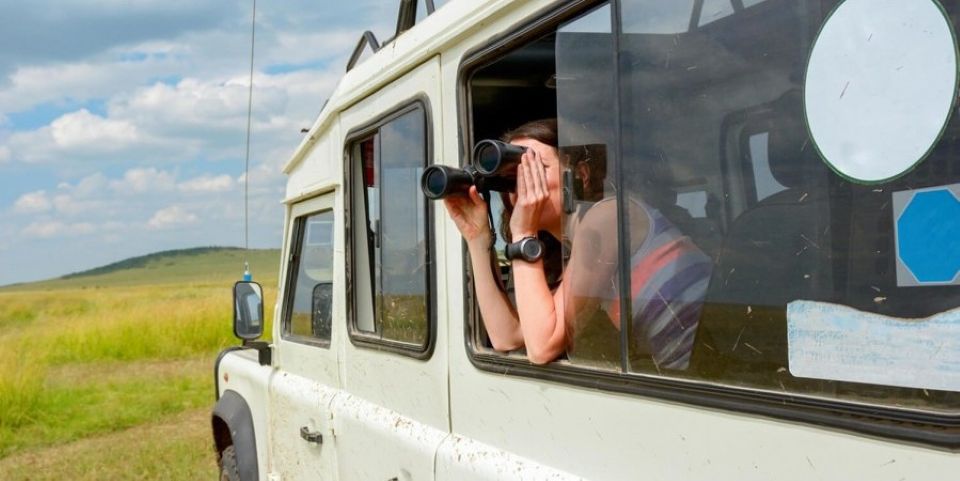
Safari Planned Inside Tanzania — Why It Lands Differently
Most climbers book Kilimanjaro overseas, then bolt on a safari from the same office. That works on paper. On the ground in Arusha, it produces a different result. The difference is operational — not marketing. We planned this list out of 35 years of cleaning up overseas itineraries that did not match the body's actual recovery rhythm. "The honest test: who is awake when your flight changes? The Arusha team is. The desk in Amsterdam is asleep. That single fact decides whether your Day 2 lodge gets re-confirmed in 30 minutes or two days." — Geoffrey Komba, Head Guide
safari-tz.com — Inside Tanzania (Arusha)
- ✓ 45 minutes from the Kilimanjaro park gate
- ✓ Same vehicle, same guide, climb pickup to safari finish
- ✓ Direct WhatsApp — replies the same day
- ✓ Itinerary tweaks decided in 30 minutes
- ✓ Live lodge availability, current wildlife positions
- ✓ Post-summit lodge tier upgraded automatically
- ✓ Pickup at Marangu, Mweka, or JRO included
- ✓ Direct operator price — no overseas markup
Overseas Reseller — Climb-and-Safari Add-On
- – Across the world from the Kilimanjaro gate
- – Two operators, two handovers, lost continuity
- – Email through a support desk, slow replies
- – Several days back-and-forth on a route change
- – Catalogue itinerary, brochure-printed lodge list
- – Same lodge tier as a fresh-arrival client
- – Pickup gap if your descent runs late
- – 15–25% commission layer on top of operator price
Best Post-Kilimanjaro Safari Options for Every Schedule
Four itineraries. Three days, four days, five days, seven days. Each one is built for the post-summit body, not for a fresh arrival. The Serengeti only enters from Day 4 — not because the road is impossible, but because by Day 4 the body actually wants to be there. Below the threshold, Tarangire and Ngorongoro deliver more wildlife per hour with less drive fatigue. "Pick by the days you have. Then we pick the parks. We will tell you straight when an itinerary does not fit — fewer disappointed clients on Day 5 that way." — Geoffrey Komba, Head Guide
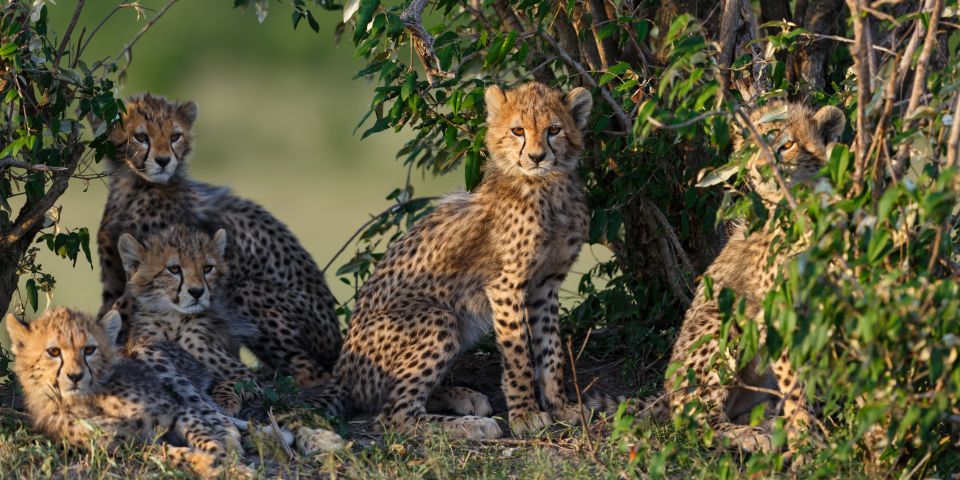
3-Day Post-Summit — Tarangire & Ngorongoro
Three days is the realistic floor for a meaningful safari after the climb. Day 1: Arusha to Tarangire. Two hours by road. Afternoon game drive through baobab forest, elephant herds along the river. Day 2: Tarangire to Ngorongoro. Crater descent — the 6-hour permit window keeps the day tight. Day 3: rim breakfast, transfer back to JRO. No Serengeti. The road is too long for the time you have.
- Tarangire elephant herds in baobab forest
- Big Five possible inside the crater
- Shortest drive option — kindest on tired legs
- Returns to JRO on Day 3 morning
Price from: [Paul to insert: 3-day price from] pp
Plan this 3-day itinerary →4-Day Post-Summit — Manyara, Tarangire & Ngorongoro
Four days lets the body settle properly. Day 1: Lake Manyara — only 90 minutes from Arusha. Groundwater forest, baboons, flamingos at the lake edge. Day 2: short transfer to Tarangire. Full day in the elephant park. Day 3: Karatu and the crater rim. Day 4: full crater descent, then back to Arusha or JRO. Still no Serengeti — the road is still too long for 4 days. By Day 3 most clients are hungry, sleeping well, and ready for the crater.
- Easiest possible Day 1 — Manyara, 90 minutes out
- Tarangire full day — peak dry-season elephant density
- Full crater descent on Day 4
- Strong sweet spot when 5 days isn't on the table
Price from: [Paul to insert: 4-day price from] pp
Plan this 4-day itinerary →5-Day Post-Summit — Add the Southern Serengeti
Five days is the threshold. From here, the Serengeti makes sense. Day 1: Tarangire, gentle. Day 2: Ngorongoro Crater descent. Day 3: drive Karatu to Naabi Hill — 3.5 hours in dry season. Two nights southern Serengeti (Ndutu in calving season, Seronera otherwise). Day 5: fly out from Seronera airstrip back to Arusha or JRO — no return drive. By Day 4 the body has caught up. The wildlife rewards the wait.
- First post-summit itinerary that earns the Serengeti
- Big cats, plains, full ecosystem — all 3 northern parks
- Fly out from Seronera — no 6-hour return drive
- Best balance of body recovery and bucket-list completion
Price from: [Paul to insert: 5-day price from] pp
Plan this 5-day itinerary →7-Day Post-Summit — Full Northern Circuit
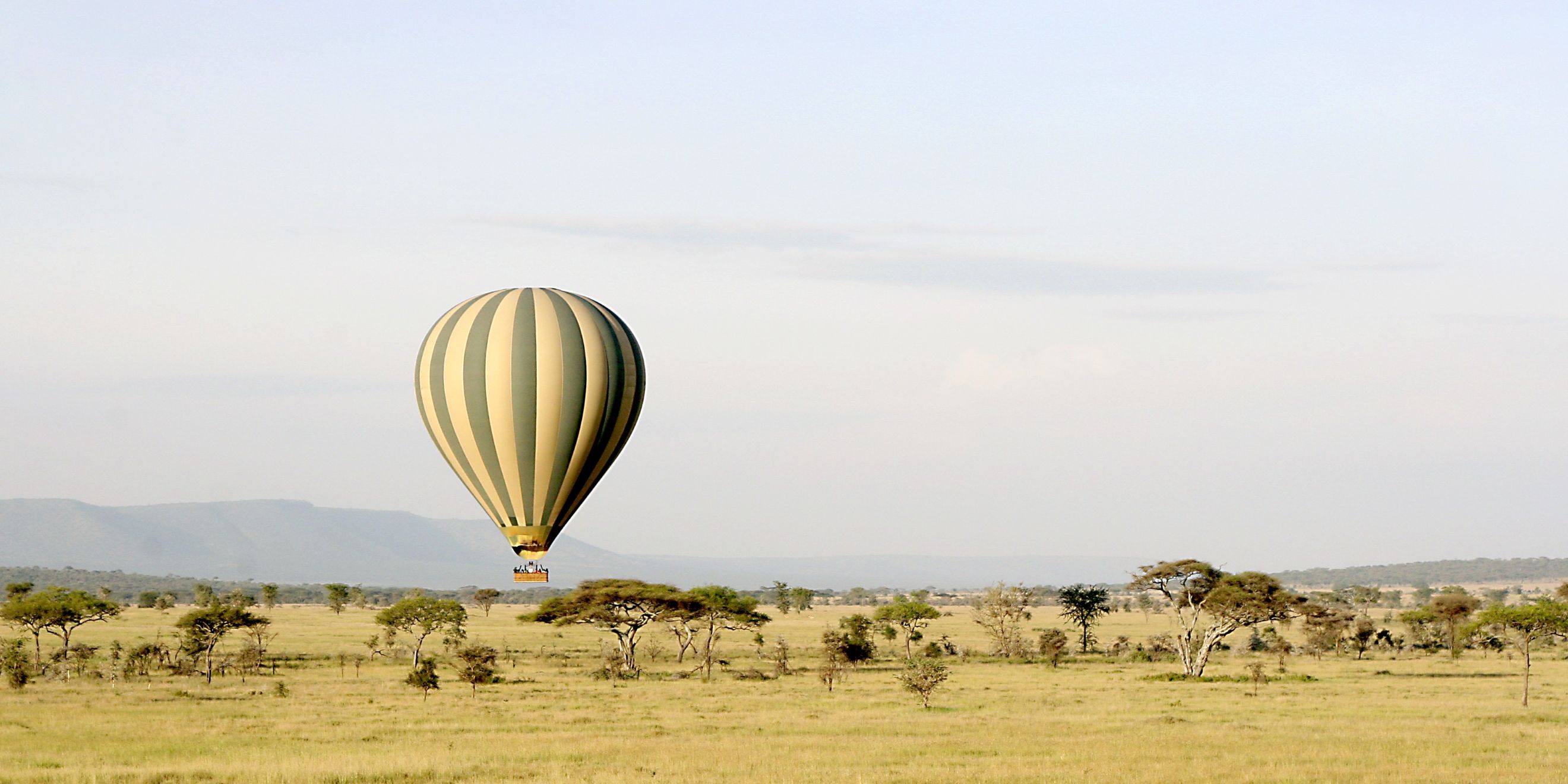
Seven days delivers the complete circuit, but Day 1 is still deliberately short. Day 1: Tarangire, afternoon only. Day 2: Tarangire full day. Day 3: Lake Manyara on the descent. Day 4: Crater descent. Day 5–6: Serengeti, two full days, central or northern depending on season. Day 7: fly back from Seronera. The longer window lets us slot a sundowner day, a balloon flight, or a slower morning if anyone is still feeling the altitude.
- Full Northern Circuit, post-summit pace
- Two full Serengeti days — big cats and plains
- Balloon, sundowner, or rest day built in
- Same guide and vehicle Day 1 to Day 7
Price from: [Paul to insert: 7-day price from] pp
Plan this 7-day itinerary →The Best Parks for a Post-Kilimanjaro Safari — and Why
Not every park works for every body. After the climb, drive time matters more than usual. Altitude matters too — every northern park sits well below the summit, but some are more comforting than others on Day 1. Below: the four parks we use, ranked by where they sit in the post-summit rhythm.
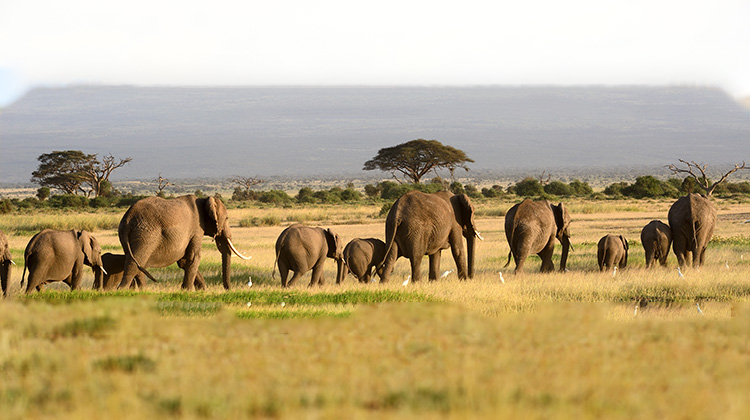
Tarangire National Park
Tarangire is the cleanest Day 1 park. Two hours by road from Arusha — paved most of the way, gravel for the last stretch. The park sits at 1,200m, well below where any altitude symptoms started. Most weeks, we put 70 percent of post-summit clients here on Day 1.
The dry-season elephant density is unmatched in the northern circuit. Herds of 50 to 300 along the river. Baobab forest. Lion, oryx, giraffe, impala. So even a half-day game drive Day 1 lands a serious sighting tally.
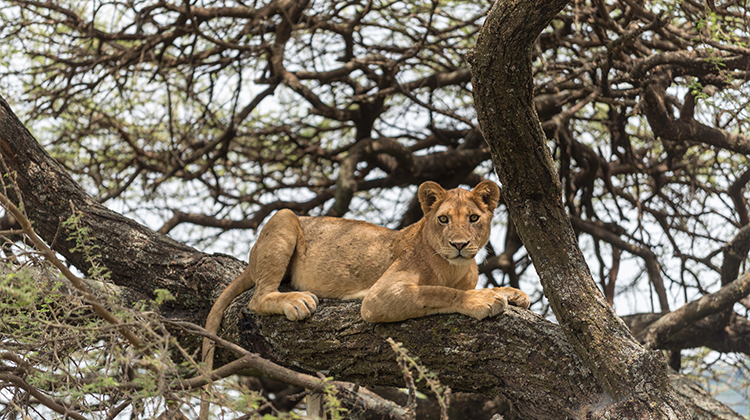
Lake Manyara National Park
Manyara is the kindest first-day park if Tarangire is full. Only 90 minutes by road. Groundwater forest at the entrance — shaded, cool, easy on the eyes after a week of glare and rock. Then the soda lake opens up: flamingos, pelicans, hippo pods.
The famous tree-climbing lions are hit-or-miss, but baboons and elephants in the forest deliver consistently. Half a day here is enough — or pair Manyara with Tarangire on the same Day 1, if the body is up to it.
Ngorongoro Conservation Area
Ngorongoro is the densest single day in Tanzania. A 260 sq km caldera, walled by 600m cliffs, holding roughly 25,000 large animals. By Day 2 or Day 3 of a post-summit safari, the body is ready for it. The 6-hour permit window also caps the day length — you cannot overstay even if you tried.
Big Five is plausible in a single descent. Lion, elephant, buffalo, black rhino, and — depending on the season — leopard. The crater floor sits at 1,800m, so the air is comfortable. Worth knowing: Lodoare Gate closes briefly each year for road grading, usually mid-April.
Serengeti National Park
The Serengeti is the goal. But it earns its place from Day 4 onward, not before. Karatu to Naabi Hill Gate is 3.5 hours in dry season — longer in February dust. The gate paperwork itself is 30 minutes minimum. So the road is real, even with a short summit recovery.
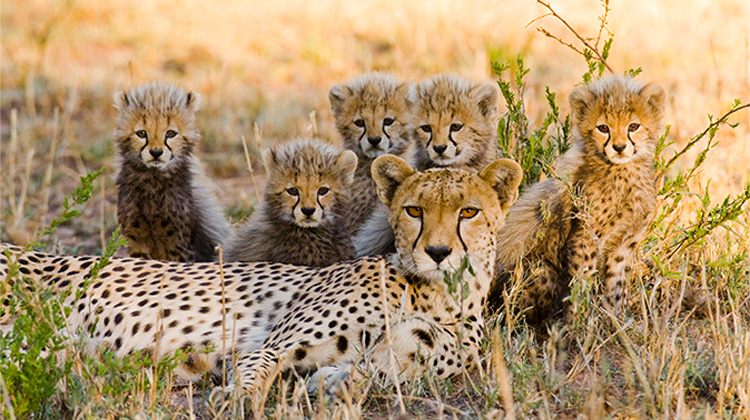
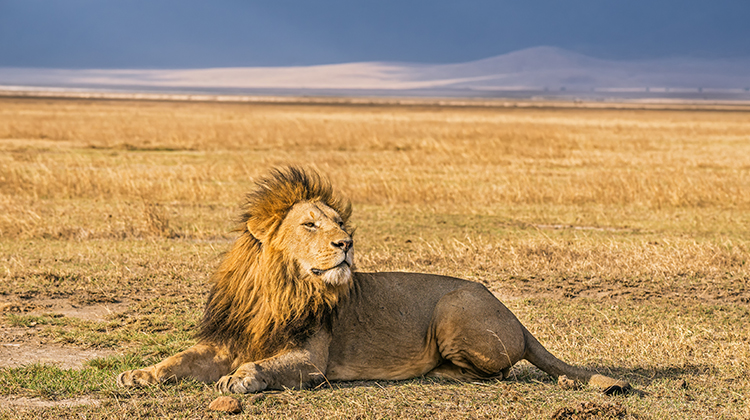
Once you are in, the scale rewards the wait. 14,763 sq km. Roughly 3,000 lions across the ecosystem — highest density anywhere in Africa. Cheetah on the open plains. Migration herds 8 months a year. Fly out from Seronera at the end and skip the return drive.
What Climbers Actually Need from a Safari Camp After the Summit
No platform writes this section. No overseas reseller knows it. The post-summit body has specific needs that catalogue itineraries miss — short Day 1 drive, upgraded Day 1 lodge, slower Day 2 morning. We have built every post-Kilimanjaro safari around these three principles since 1991. "This is the part most clients don't ask about — and the part that decides whether they enjoy Day 2. Get the lodge wrong and the whole safari starts behind." — Isaac Munuo, Senior Guide
Day 1 Stays a Short Drive
Tarangire (2h) or Manyara (1.5h) on Day 1. Never Serengeti. Never Crater on the same day as descent. The body has just spent 5 to 7 days at altitude — a six-hour transit on Day 1 of the safari is operationally possible, but rarely advisable. We tell clients straight when their schedule does not allow this. Better to lose a deposit than book a tired client into a six-hour drive day.
Day 1 Lodge Tier Goes Up
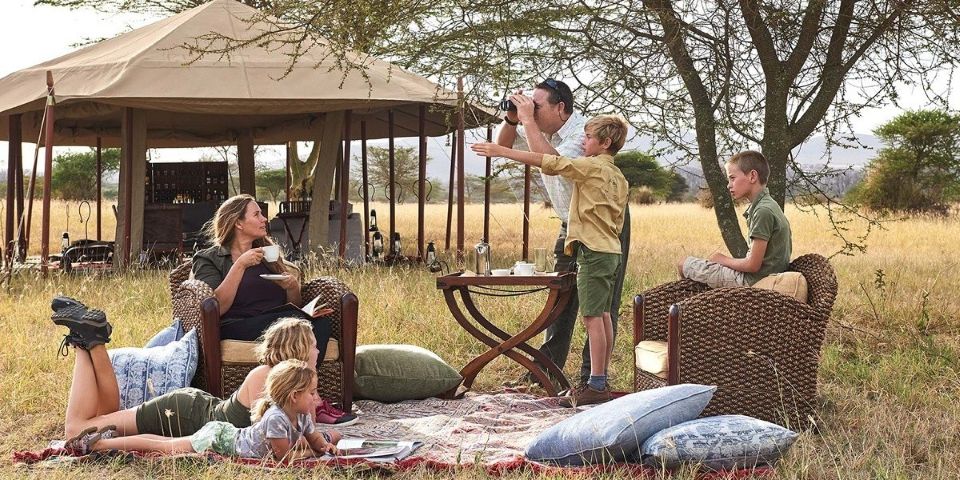
Regardless of overall booking budget, we upgrade the Day 1 lodge by one tier on every post-summit safari. After 5 to 7 nights in mountain tents, a proper bed matters more than usual. Real mattress, hot shower, calm camp, real food in real portions. The premium is small. The difference on Day 2 is large.
Day 2 Pace Stays Flexible
Some camps run fixed 6am game drives with a shared group. We avoid those for post-summit clients. Mild post-altitude headaches are common for 24 to 48 hours after summit — we want the option to start at 8am if the body needs it. Vehicles carry extra water on post-summit bookings. Hydration is still recovery-relevant for two days.
1 · A Proper Bed
Elevated frame, real mattress, enclosed walls. Not a basic camping cot.
2 · Reliable Hot Water
We know which camps deliver hot showers year-round and which rely on solar that fails in rain.
3 · Real Food, Real Portions
Climbers arrive depleted. We pick camps with kitchens that serve actual quantities, not garnish.
4 · Quiet Camp Environment
No generator-noise group camps. No 5am communal wake-ups. The first night should be calm.
5 · Short Transfer from JRO
Tarangire 2h, Manyara 1.5h. We do not put a freshly descended climber on a 6-hour Day 1 drive.
6 · Flexible Game-Drive Schedule
Private vehicle option means you start when the body is ready — not on a shared-group clock.
We don't just plan safaris around schedules. We plan them around your body.
Already Booked Kilimanjaro? Let Us Build the Safari That Fits Your Summit.
Tell us your route, your descent gate, your departure deadline, and the days you have. We design the safari around your recovery — not a fixed overseas template. Reply same day from Arusha.
Direct from the Arusha team
WhatsApp Geoffrey, William, or Isaac. Pickup at Marangu, Mweka, or JRO is included on every booking.
WhatsApp the Arusha teamRequest a quoteWhy Book Your Post-Kilimanjaro Safari with safari-tz.com
Six reasons. None of them say "trip of a lifetime". They are operational. The kind of detail that decides whether your Day 1 transfer goes smoothly, whether your lodge upgrade is held when the descent runs late, whether your Day 2 starts at 6am with strangers or at 8am with the team you booked with.
Arusha-Based — 45 Minutes from the Gate
We are not coordinating from Amsterdam, Berlin, or Denver. We are 45 minutes from the Kilimanjaro park gate. So when your descent runs late or your flight changes, we adjust the lodge, the driver, and the route in 30 minutes. From outside Tanzania, that is several days of email.
Safari Is the Core Product
Some operators run climbs and treat the safari as a bolt-on. We are the other way around. 300+ tours. Every duration. Every northern circuit destination. The safari is what we know best — which means lodge intelligence, route knowledge, and guide selection are different from a climb-led add-on.
Same Guide, Climb Pickup to Safari Finish
Geoffrey Komba, William Mwasimba, or Isaac Munuo handles most post-summit bookings. The same guide picks you up at Marangu or JRO, drives you Day 1, and is still with you Day 7. No morning briefings to repeat. Continuity matters more for tired clients than fresh ones.
Toyota Land Cruiser, Pop-Top, Window-Guarantee
Every private trip runs in a six-seat Toyota Land Cruiser with pop-top roof. Window guarantee on private trips — no one ends up in the middle row. Vehicles carry extra water on post-summit bookings. Real first-aid kit. Spare tyre and tools that work.
No Overseas Markup — Direct Operator Price
Online platforms add 15 to 25 percent commission on post-summit safaris. That is roughly $200 to $1,200 per person on the same itinerary. We have been here 35 years. We do not need a middleman. Direct booking from Arusha is simply cheaper for the same trip.
TATO-Registered, Operating Since 1991
Two blocks from where we registered with the Tanzania Association of Tour Operators in 1991. Roughly 14,000 clients through the door since then. Most weeks, post-Kilimanjaro climbers are five of them. The lodge recovery logic was not invented — it was built from running this exact handoff for three decades.
Post-Kilimanjaro Safari — Frequently Asked Questions
Can I start a safari the day after I summit Kilimanjaro?
Which safari itinerary works best after the Machame route?
How many safari days should I plan after climbing Kilimanjaro?
Why book your safari after Kilimanjaro through an Arusha operator?
Do post-Kilimanjaro safari clients need different lodges?
Can you collect us from the descent gate after the climb?
Is the Serengeti worth it on a short post-summit trip?
What if I get post-altitude headaches after the summit?
The Mountain Is Behind You. The Safari Is Next.
300+ Tanzania safari tours. Arusha-based since 1991. 45 minutes from the Kilimanjaro gate. Direct booking — no overseas markup. Pickup at Marangu, Mweka, or JRO included on every booking.
Or email info@safari-tz.com · Call +255 740 666 662