Is Tanzania Safe for Tourists in 2026?
About 11 min read · Last reviewed May 2026Yes. Tanzania is safe for tourists.
The honest detail is below. No marketing reassurance, no editorial drama.
What's your specific concern?
Tap to jump straight to the answer.
Safari Area Safety
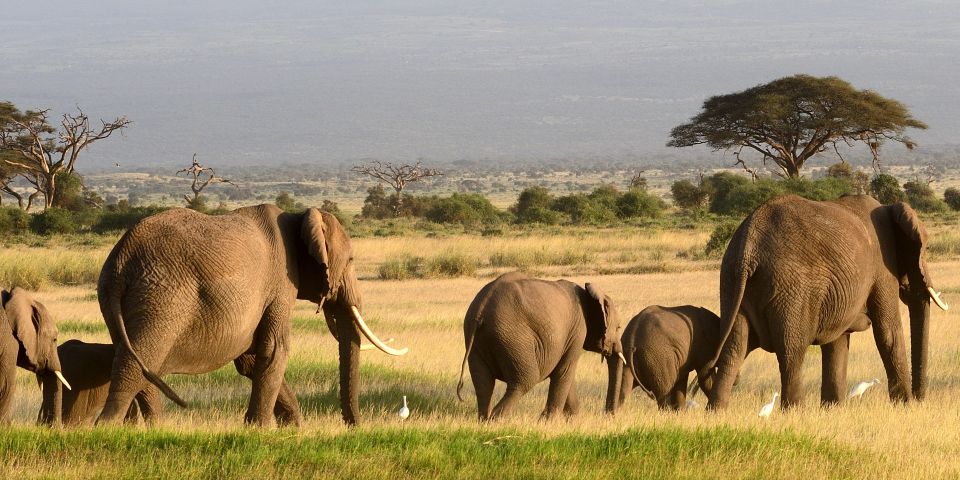
The Northern Circuit — Serengeti, Ngorongoro, Tarangire, Lake Manyara — runs as a managed environment. So tourists are safe for a clear reason: the parks are not open wilderness you navigate alone. Rangers patrol them. Game drives follow set rules. You stay with a senior driver-guide and inside a Toyota Land Cruiser the whole time.
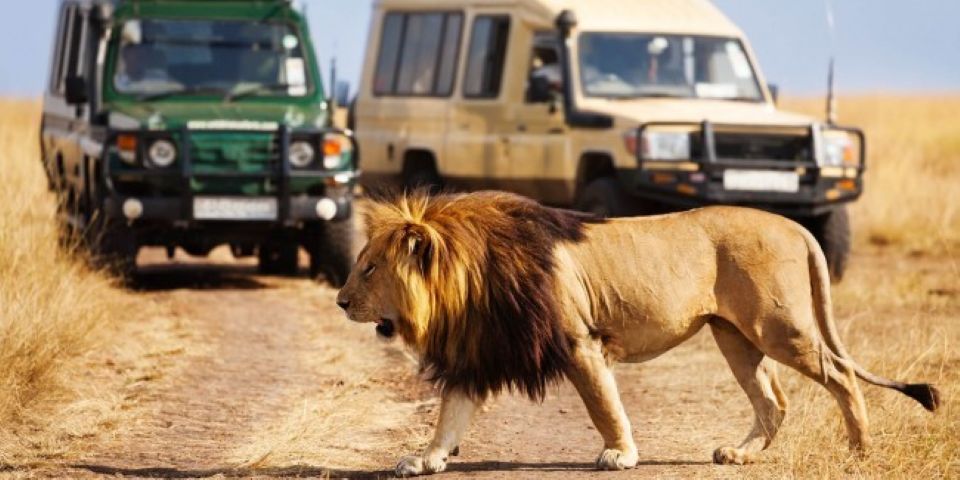
Serengeti, Ngorongoro, Tarangire, Manyara
TANAPA rangers run the national parks. NCAA rangers run Ngorongoro Conservation Area. So there is a constant presence on the ground. Game drives use closed-top 4x4 vehicles. Speed in parks is capped at 50 km/h on unpaved tracks.
You never leave the vehicle on a game drive — only at picnic sites and lodges. That single rule is the safety layer with wildlife. Walking safaris exist, but only in specific zones with armed rangers, and they are not part of the standard Northern Circuit.
- TANAPA & NCAA rangers patrol throughout
- Closed-top Land Cruisers · windows up near big cats
- Licensed Tanzania Tourist Board guides only
- No solo walking or unguided movement
- Return to lodge before sunset · zero night driving in parks
Senior Guides · 10+ Years on the Circuit
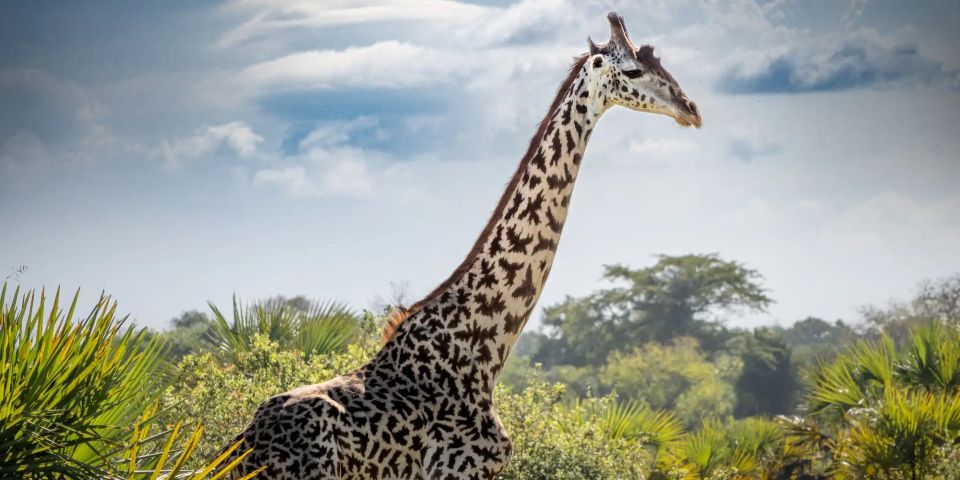
Our lead guides — Geoffrey Komba, William Mwasimba, Isaac Munuo — have spent decades on the Northern Circuit. They read animal behaviour for a living. The vehicle is the first safety layer; the guide's experience is the second.
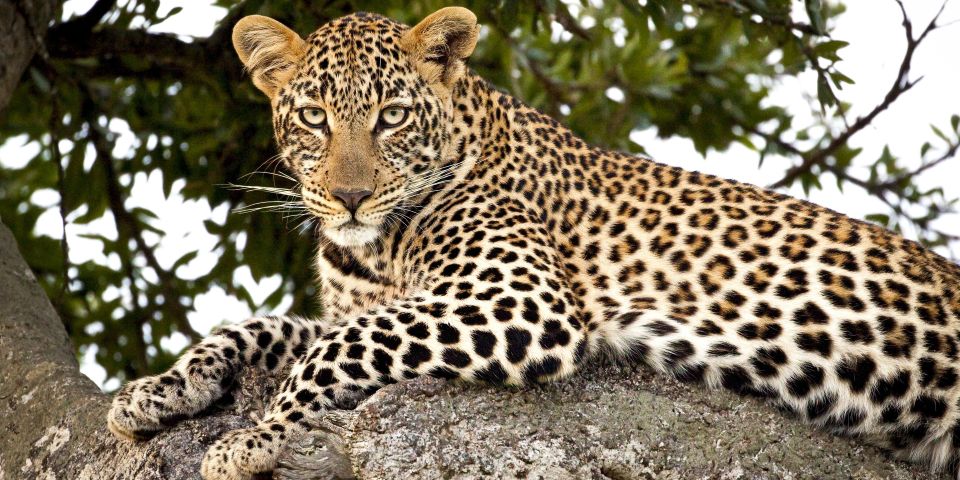
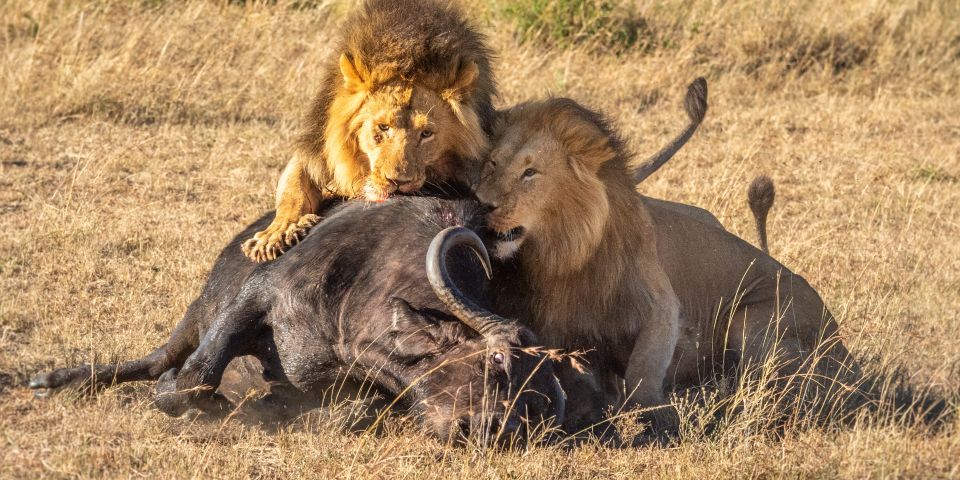
Lions, leopards, and elephants are wild. That is a fact, not a risk. The protocol is the vehicle and the guide. Lion attacks on tourists in vehicles are virtually unknown in Tanzania's history.
City and Town Safety
Arusha is a small city of about 600,000 people — the safari gateway. Dar es Salaam is the commercial capital. Stone Town in Zanzibar is dense and historic. All three are safe for tourists who travel with normal urban habits. The main risks are pickpocketing, phone snatching, and bag theft in busy areas — exactly what you would expect in any tourist city.
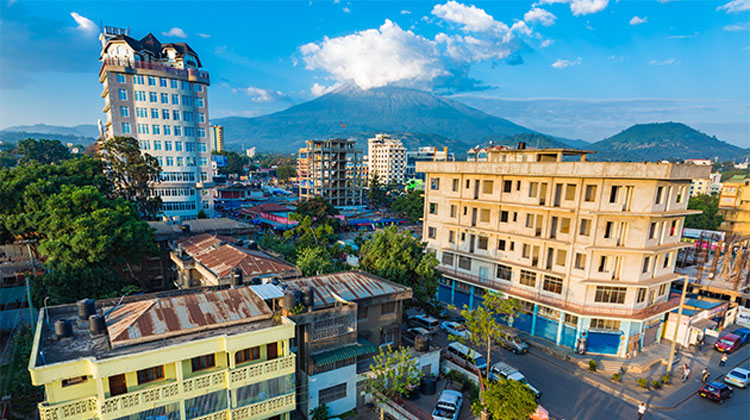
Your Safari Base — Calm and Manageable
Arusha is a relaxed city by East African standards. Tourist areas around the Clock Tower, hotel zones, and the Boma neighbourhood are safe in daylight. Don't walk Arusha town at night with a phone in your hand. So: leave it in the room, or use a hotel taxi.
- Hotel-arranged taxis over street taxis — every time
- ATMs inside bank branches during business hours
- Don't display cameras, laptops, or jewellery in the open
- Solid private clinics nearby (see Health section)
- We run all transfers door-to-door · clients rarely walk Arusha alone
Coast and Stone Town
Dar es Salaam. Tanzania's commercial capital. Hotel and waterfront areas are safe. The city centre is busy but fine in daylight. Skip isolated streets after dark.
Stone Town, Zanzibar. Lively, packed, and atmospheric. Keep bags zipped. Phones in pockets, not in hands. The island is mostly Muslim — modest dress in Stone Town and inland villages is appreciated. Beach areas inside the resorts are safe.
Solo female travellers. Both cities work fine with the same urban habits used at home. We book solo women regularly — Stone Town in particular sees a steady flow.
Health and Medical Safety
Tanzania is safe for tourists who do the standard travel-health prep. Talk to your GP, not just a pharmacist. Take preventive medication for malaria. Get the routine vaccinations done. After that, the practical risk on the ground is low — particularly at mid-range and luxury lodges, where kitchens are well managed and food poisoning is uncommon.
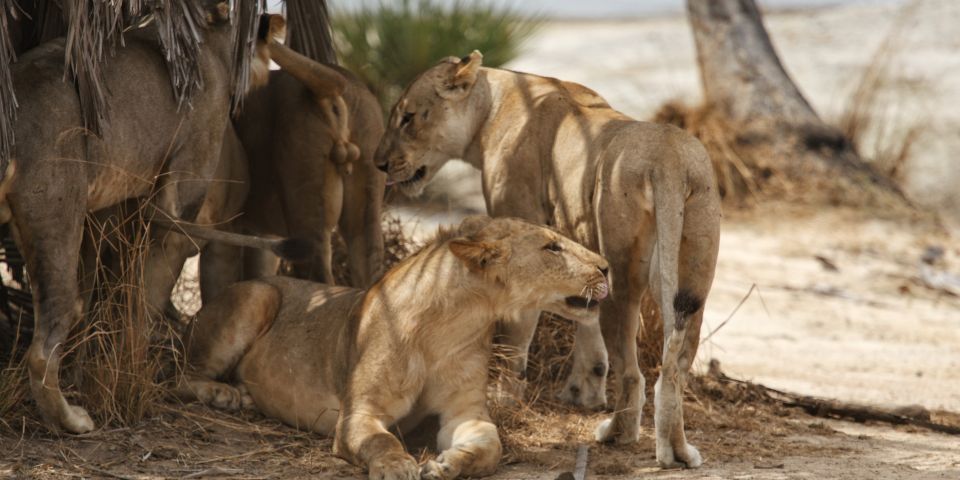
What to Prepare
- Malaria. Present in Tanzania including Arusha and the parks. Preventive medication works — common drugs are Malarone, doxycycline, mefloquine. Choice depends on your doctor.
- Yellow fever. Required if arriving from a yellow-fever country (parts of East Africa or South America). Verify with your doctor.
- Hepatitis A & typhoid. Commonly recommended.
- Tetanus. Boosters up to date.
- Water. Bottled or filtered, not tap.
Where to Go if Something Happens
Arusha. The best private option is Arusha Lutheran Medical Centre (ALMC). Solid for most travel-health needs. AICC Medical Centre is also used.
Out in the parks. Medical facilities are limited. Anything serious needs evacuation to Arusha. For the most complex cases, the regional referral is Aga Khan University Hospital Nairobi or Karen Hospital Nairobi.
Air evacuation. AMREF Flying Doctors covers air evacuation specifically. We recommend it for all clients alongside standard travel insurance. We can quote it separately on request.
Mosquitoes. Use DEET repellent at dusk. All safari-tz.com camps and lodges supply mosquito nets. The dry season (June to October) has fewer mosquitoes than the green season.
Have a Specific Health or Safety Question?
Our Arusha team answers these every week. Send the actual question — we give honest answers, not reassurances built to close a sale.
Travel Insurance — Not Optional
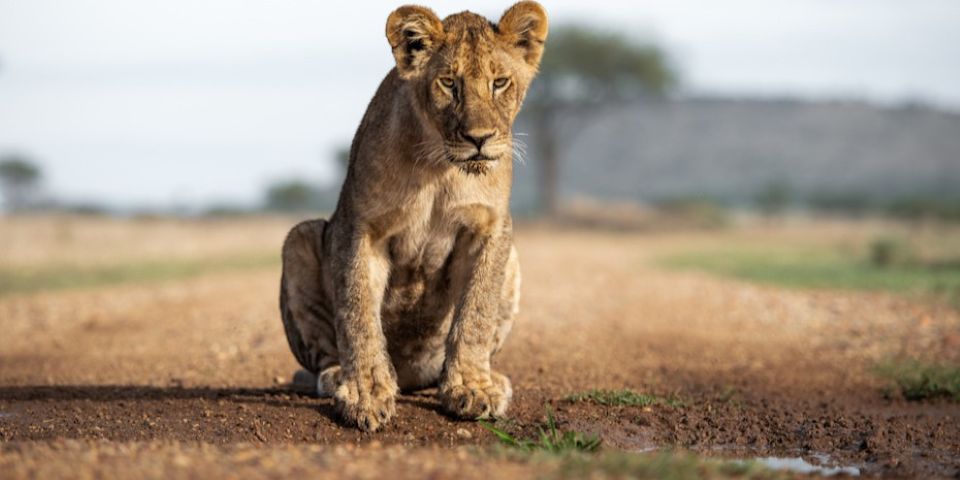
What Your Policy Has to Include
Most basic travel policies don't cover enough for East Africa. So check the fine print before you buy. A helicopter evacuation from Serengeti to Arusha alone runs $10,000–$20,000.
If you plan to climb Kilimanjaro before or after safari, make sure the policy explicitly covers high-altitude trekking — many standard policies exclude activities above 4,000 m. See our post-Kilimanjaro safari guide for the practical setup. Also see the 2026 cost guide for what is included in our packages and what you arrange independently.
Road Safety
Road traffic is the honest answer to "what is the biggest practical risk in Tanzania?" — same as Kenya, same as Uganda. So we operate around it. Senior driver-guides only. Recent-model Toyota Land Cruisers. No night driving outside Arusha town. Scheduled rest stops. Every itinerary ends at a lodge before sunset.
Toyota Land Cruisers · Maintained on Schedule
All game drives and transfers use recent-model 4x4 Toyota Land Cruisers. Vehicles are checked before each departure and maintained on a fixed schedule, not when something breaks.
- Recent-model Land Cruisers · fixed maintenance schedule
- First-aid kit on every vehicle
- Satellite phone for remote-area communication
- Radio contact with the Arusha office throughout
- No night driving between parks · ever
What to Know
Tar roads. Good condition from Arusha through Moshi and on to Karatu. Quality has improved year on year.
Park tracks. Unpaved and dusty in dry season; rutted in the green season. Fine for a proper 4x4. Speed is capped at 50 km/h inside the parks.
Self-drive. Not allowed inside the parks without a licensed guide — TANAPA rule. So the practical answer is: book a guide. Self-drive between Arusha and Moshi is feasible for experienced drivers in daylight.
Public transport. If you must use public transport between cities, pick reputable bus companies. Skip informal minibuses (daladala). Their safety record is poor.
What safari-tz.com Does for Guest Safety
Senior Guides Only
Lead guides — Geoffrey Komba, William Mwasimba, Isaac Munuo — each with 10+ years on the Northern Circuit.
Maintained Land Cruisers
Fixed maintenance schedule, not reactive. Vehicles checked before every departure from Arusha.
First-Aid Kit · Every Vehicle
Standard kit on every game-drive and transfer vehicle. Refreshed regularly.
Satellite Phone for Remote
Mobile coverage is patchy in remote Serengeti. Satellite phones close the gap.
AMREF Cover Available
AMREF Flying Doctors air-evacuation cover quoted separately on request. Most clients add it.
24-Hour Office Contact
Direct WhatsApp with the planner who quoted your trip — not a customer-service desk.
Lodge Security Verified
We verify front-desk procedures, room safes, and night security at every lodge we book.
Pre-Departure Pack
Health prep, packing list, emergency contacts, day-by-day plan. Sent before you fly.
Send the actual safety question — even the hard ones.
You speak to the planner who would quote your trip, not a call centre. So the answer is honest, not scripted.
Common Concerns — Addressed Directly
"Will I get malaria?"
The risk is real. But preventive medication works — most prepared travellers never see a problem. Use DEET at dusk. Sleep under the mosquito net. The dry season has fewer mosquitoes than the green season.
"Is the food safe to eat?"
Yes at mid-range and luxury lodges. Kitchens follow international standards and food poisoning is rare. At budget public-campsite tier, take more care. Bottled or filtered water always.
"Are the lions dangerous?"
Lions are wild animals. So is everything else out there. The vehicle and the senior guide are the safety layer. Lion attacks on tourists in vehicles are virtually unknown in Tanzania's history.
"Is Zanzibar safe?"
Yes. Stone Town needs the same urban habits as any city — bags zipped, phones in pockets, quiet streets avoided at night. Beach areas inside resorts are safe. Modest dress in Stone Town is appreciated.
"Is solo female travel safe?"
Yes. We book solo female clients regularly. On safari you are with a senior guide and inside a vehicle — controlled context. In cities, the same urban habits used at home apply. Our team is happy to suggest specific lodges and routes solo women have found comfortable.
"Is theft a problem at lodges?"
Rarely. Lodge staff are vetted. Room safes are standard at mid-range and above. Use the safe. We verify front-desk and night-security procedures at every lodge before we book it for clients.
"What about political stability?"
Tanzania has a multi-party democracy and a record of peaceful transitions. No active conflict zones. Political demonstrations happen occasionally in cities — same as any democracy. Standard advice: stay clear of large gatherings.
"Should I worry about terrorism?"
Tanzania's mainland has no recent record of terrorist incidents in tourist areas. The UK FCO notes a general East-African risk (so does most of the world), but it does not restrict travel to the main tourist regions. Always check your government's current advisory before flying.
Senior guides, well-maintained vehicles, AMREF cover available.
Most safety questions have a practical answer. Send yours and the planner will reply with the specific protocol that applies to your trip.
Tanzania Safety — FAQs
The questions buyers ask the Arusha team most often. Honest answers, the same way we'd answer them on a call.
Is Tanzania safe for tourists in 2026?
Yes. Tanzania is safe for tourists in 2026. The country has a stable government, more than 1.5 million international visitors a year, and no active conflict zones. The UK FCO, US State Department, and German Auswärtiges Amt all list Tanzania as generally safe with standard precautions. Petty theft in cities and road safety are the main practical risks — both easy to manage with a good operator.
Are tourists safe in Tanzania's national parks?
Yes. The Northern Circuit parks — Serengeti, Ngorongoro, Tarangire, Lake Manyara — are among the safest spaces in the country for tourists. TANAPA and NCAA rangers patrol the parks. Game drives follow strict protocols. Guests stay in the vehicle except at designated picnic sites and lodges. In 35 years from Arusha, our worst safari-area incident has been a flat tyre.
Is Tanzania safer than Kenya for safari?
Both are safe for safari. Tanzania's Northern Circuit and Kenya's Masai Mara have similar safety profiles. In our experience, Arusha is a calmer urban base than Nairobi for safari clients. The honest answer is that the operator you book with matters more than the country. See our full Tanzania vs Kenya 7-day comparison for the wider picture.
Do I need vaccinations for Tanzania?
Yellow fever is required only if you arrive from a yellow-fever country (parts of East Africa or South America). Hepatitis A, typhoid, and tetanus are commonly recommended. Talk to your GP or a travel clinic six to eight weeks before you fly. Start early so any multi-dose shots are finished in time.
Is malaria a serious risk in Tanzania?
Malaria is present in Tanzania. The risk is real but manageable. Most clients take preventive medication — common options are Malarone, doxycycline, or mefloquine — picked with their doctor. Mosquito nets are standard at every safari-tz.com camp and lodge. Use DEET repellent at dusk, wear long sleeves, and the practical risk drops sharply. The dry season (June to October) has fewer mosquitoes.
Is Tanzania safe for solo female travellers?
Yes. Tanzania is safe for solo female tourists with a good operator. We book solo female clients regularly. In Stone Town, modest dress is appreciated. In Arusha, use hotel taxis after dark and skip walking alone late at night. On safari, you are with your driver-guide and inside a vehicle — the context is controlled. Our Arusha team is happy to advise on the specific lodges and routes solo female guests have found comfortable.
What travel insurance do I need for Tanzania?
At minimum: medical evacuation (at least $100,000), trip cancellation, and emergency repatriation. East-Africa-experienced insurers like World Nomads, IMG, and Allianz are common. AMREF Flying Doctors covers air evacuation specifically and we can quote it separately. Travel insurance is the difference between a manageable problem and a financial disaster.
Do I need to worry about terrorism in Tanzania?
Tanzania's mainland has no recent record of terrorist incidents in tourist areas. The UK FCO notes a general East-African risk (so does most of the world), but it does not restrict travel to the main tourist regions. Always check your government's current travel advisory before you fly. Advisories update often and reflect the latest view.
Is Zanzibar safe for tourists?
Yes. Zanzibar is safe. Stone Town needs the same urban habits as any city — keep bags zipped, phones in pockets, and avoid quiet streets at night. Beach areas at the resorts are safe. Modest dress in Stone Town and inland villages is appreciated; the island is predominantly Muslim. Solo female travellers visit Zanzibar comfortably every week.
Is the food safe to eat in Tanzania?
Yes at mid-range and luxury lodges. Kitchens follow international standards and food poisoning is rare. At budget public-campsite tier the bar is lower but still fine for most travellers. Drink bottled or filtered water, not tap. If in doubt, eat what is well-cooked and hot.
Questions About Your Tanzania Safari? Ask Our Arusha Team Directly.
We have operated from Arusha for 35 years. So if you have a safety concern, a health question, or want honest advice about travel conditions — call, WhatsApp, or send an enquiry. Real answers from people on the ground.
+255 743 100-673 | info@safari-tz.com | Book direct with safari-tz.com | Browse all tours