Tanzania vs Kenya Safari — Which Is Better in 2026?

Tanzania wins for most safari travellers. More land under protection, the majority of the Great Migration year, the Ngorongoro Crater, and fewer vehicles per sighting than the main reserves across the border. The neighbouring country excels for short breaks from Nairobi and easy Masai Mara access July–October. This page gives you the honest comparison — category by category.

Tanzania vs Kenya Safari — Category by Category


We've been operating safaris from Arusha since 1991. This is our honest assessment — not a marketing exercise. Both countries offer genuine world-class wildlife experiences. Here is where each wins, and where the differences are overstated.

CategoryTanzaniaKenya
Wildlife Volume🏆 Exceptional — largest protected wildlife area in Africa; more land per animalVery good — smaller national reserves, more vehicles per sighting at peak season
Great Migration🏆 Oct–June (8–9 months) — calving season Jan–Feb, river build-up Jun–JulJul–Oct — river crossings at the Masai Mara border, peak season access
Ngorongoro Crater🏆 World's best Big Five in one location — 25,000+ animals in a self-contained calderaNo equivalent single-site Big Five location
Crowd Levels🏆 Northern circuit quieter than the Masai Mara; green season near-empty parksMasai Mara peak season (Jul–Oct) is among the busiest safari destinations on earth
Cost (Mid-Range)Comparable — national park fees higher ($70–$100/day); private concessions competitiveComparable — conservancy fees vary; some community areas offer lower entry costs
AccessibilityFly to Kilimanjaro (JRO) or Arusha; regional connections via Nairobi🏆 Nairobi (NBO) is a major international hub; Mara charter flights under 1 hour
Beach Add-On🏆 Zanzibar — 45 min flight, same country, no separate booking logisticsMombasa or Lamu — requires separate domestic flight and accommodation booking
Birdwatching🏆 1,100+ species; Rift Valley lakes, flamingos at Lake Manyara, Tarangire raptors1,100+ species — Kakamega Forest and Rift Valley lakes outstanding
Big Five Reliability🏆 Ngorongoro Crater: all five in a single day, year-round — most reliable on earthStrong across Masai Mara, Amboseli, and Laikipia — no single guaranteed site
Safety (Safari Areas)🏆 No active travel advisories in Arusha, Serengeti, or Ngorongoro regionsNo advisories in main safari areas; northern regions and some urban areas carry higher ratings
Visa$50 e-Visa (evisa.immigration.go.tz); 47 nationalities visa-free~$30 ETA required for most nationalities via the Kenya e-Visa portal
Operator Base🏆 safari-tz.com — Arusha-based, TATO-registered, operating since 1991Nairobi-based operators standard; some offer Tanzania extensions via partners
A fair note on the neighbouring country: The Masai Mara in July–October is one of the great wildlife spectacles on earth. This comparison is honest, not promotional — if you want river crossings in August and are flying from Nairobi, heading north of the border may be your answer. If you want the full East Africa safari experience with maximum wildlife diversity and space, Tanzania is the clear choice. We can help you plan either way — ask our team directly.

Who Gets the Migration — and When?


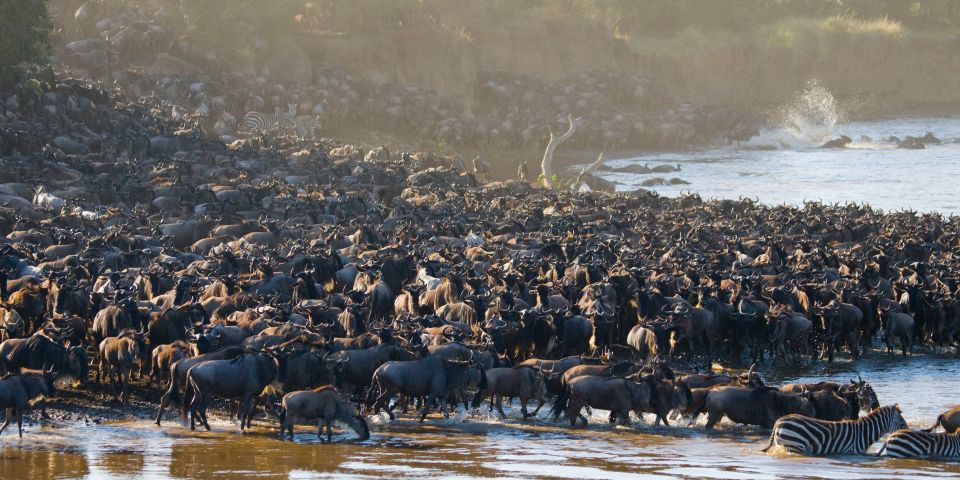
The Migration is not a Tanzania event or a cross-border event in isolation. It is a 365-day circular movement of roughly 1.5 million wildebeest, 250,000 zebra, and 500,000 gazelle. Here is where the herds are, month by month — and which country benefits most from each phase. See our best time to visit guide for the full seasonal breakdown.

Jan – Feb

Southern Serengeti (Tanzania) — Calving Season

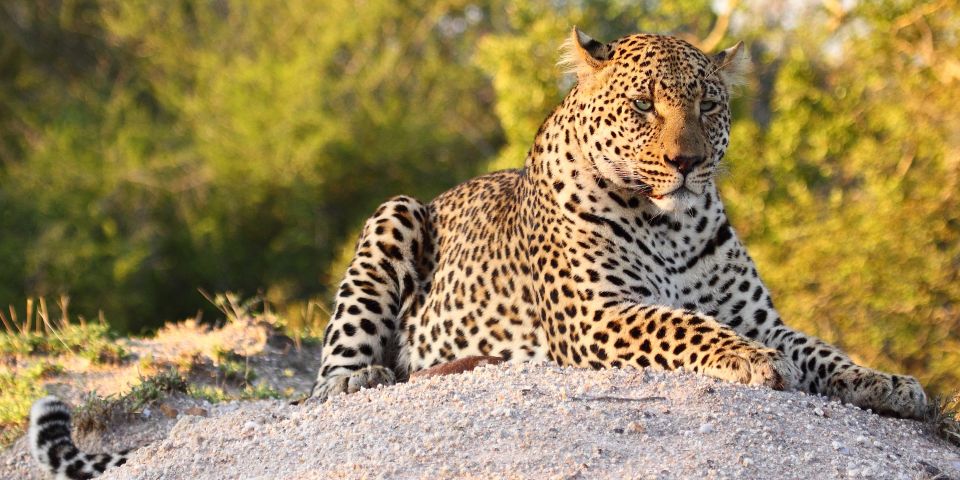
Around 500,000 calves are born in a concentrated window, peaking in February near Ndutu. Intense predator activity — cheetah, lion, leopard, and hyena converge on the calving grounds. This is the most predictable and geographically concentrated wildlife event in Tanzania, and it comes with green season pricing and very few tourists.

Best for: first-time visitors, families, photographers — 100% Tanzania.

Mar – May

Central & Western Serengeti (Tanzania) — Moving North

Herds graze northward through the central Serengeti. Rutting season begins in May. The long rains fall April–May — some tracks in the southern and western Serengeti can become difficult; a fly-in safari bypasses this entirely. Parks are near-empty and prices are at their lowest of the year.

Best for: budget travellers, birdwatchers, photographers. 100% Tanzania.

Jun – Jul

Northern Serengeti (Tanzania) — Pre-Crossing Build-Up

Herds mass at the Mara River as the dry season establishes. First Mara River crossings are possible from late June. Grumeti River crossings — smaller but equally dramatic — occur June–July in the western corridor. This is Tanzania's peak-season build-up with significantly lower crowds than high summer.

Best for: river crossing seekers before the July rush. Book accommodation well in advance.

Jul – Oct

Mara River Border Zone (Tanzania–Cross-Border) — Peak Crossings

The famous river crossings. Herds split across the international border and move back and forth multiple times. Northern Serengeti camps and Masai Mara camps on the other side are both viable bases. Peak season pricing applies on both sides. Our guides Geoffrey Komba, William Mwasimba, and Isaac Munuo monitor daily herd movements via ranger network reports to minimise wasted game drive time.

Best for: witnessing crossings. Tanzania's northern Serengeti camps offer the same access with fewer vehicles.

Nov – Dec

Returning South (Tanzania) — Short Rains Migration Return

Herds return to Tanzania ahead of the short rains, moving south through the western corridor back toward the central and southern Serengeti. Parks are quieter, prices drop from peak levels, and wildlife remains excellent. Resident animals — lion, leopard, cheetah, elephant — stay year-round regardless of herd movement.

Best for: value-conscious travellers. 100% Tanzania, lower prices, excellent game.

How we track the herds: Our guides Geoffrey Komba, William Mwasimba, and Isaac Munuo receive daily ranger network reports on herd positions. We adjust game drive routes in real time — no fixed itineraries, ever. Ask them directly about current conditions before you book.

Tanzania's Key Safari Destinations — What the Competition Doesn't Have


Tanzania's northern circuit alone covers more protected wilderness than all of the main safari reserves across the border combined. Here are the four destinations that define a Tanzania safari — and what makes each one irreplaceable.

Serengeti National Park

Best: Year-round — Peak Jun–Oct

The world's most famous safari ecosystem. 14,763 km² of protected wilderness hosting the Big Five, cheetah, wild dog, and over 500 bird species. The annual Great Migration passes through on its year-round circuit. No other reserve in East Africa compares in scale, and resident predators ensure outstanding game viewing even outside Migration season.

View Serengeti Tours →

Ngorongoro Crater

Best: Year-round

A 260 km² collapsed volcanic caldera holding 25,000 large animals within a single self-contained ecosystem. All Big Five present — including one of Africa's largest lion prides and a resident black rhino population. The most reliable location in the world for seeing all five in a single game drive. There is no equivalent anywhere across the border.

View Ngorongoro Tours →

Tarangire National Park

Best: Jun–Oct (Elephant Concentrations)

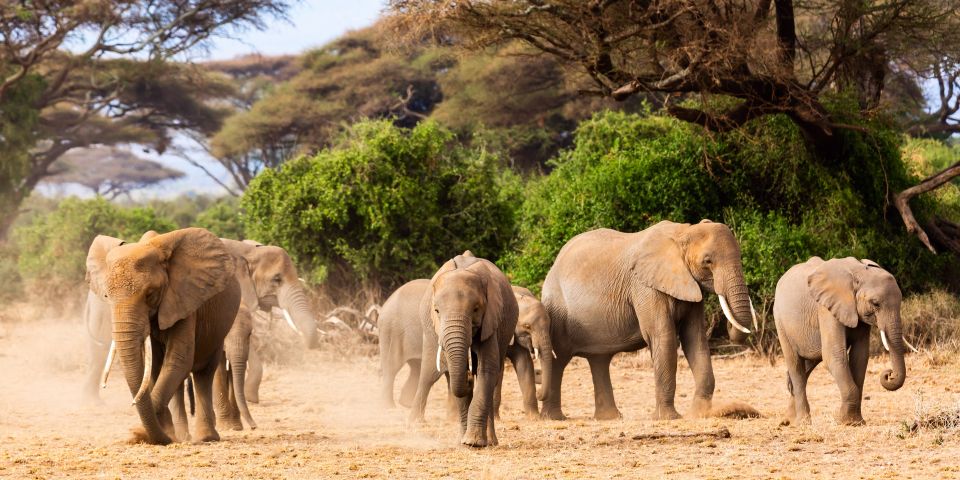
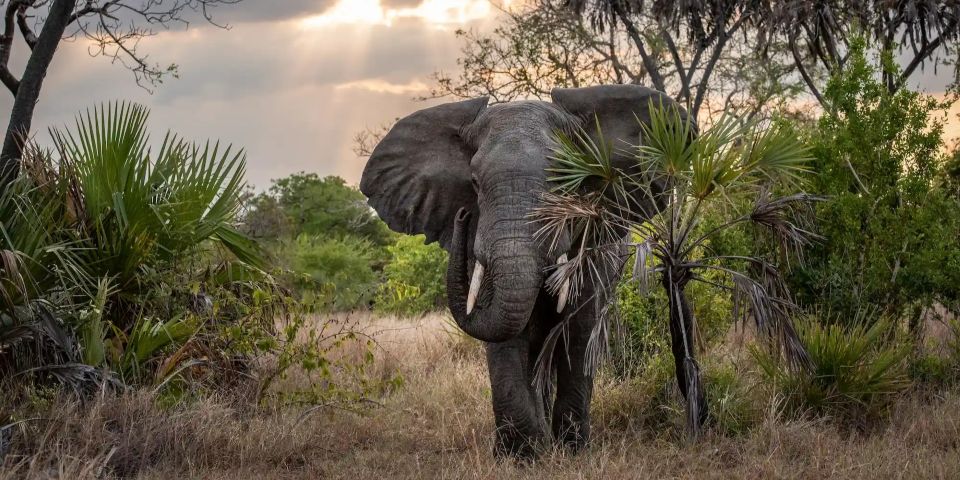
Africa's highest elephant density outside Botswana's Chobe — up to 3,000 elephants converge along the Tarangire River in the dry season as outside water sources fail. Ancient baobab forests, tree-climbing lions, and over 550 bird species. Often combined with Serengeti and Ngorongoro for the full northern circuit. Consistently underrated relative to the Serengeti.

View Tarangire Tours →

Zanzibar — Beach Extension

Best: Jun–Oct / Dec–Feb

A 45-minute flight from Arusha. Pristine Indian Ocean beaches, UNESCO-listed Stone Town, world-class snorkelling and diving. The beach extension stays within a single country — no additional international flights, no separate visa, no logistics complexity. The equivalent beach add-on from the other side of the border requires a domestic connection and separate hotel booking entirely.

View Beach Extensions →

Ready to Plan Your Tanzania Safari?

Arusha-based. TATO-registered. 35 years on the ground.

Tanzania vs Kenya Safari Cost — Honest Numbers


Both destinations sit in the same broad price bracket for mid-range and luxury safari. Here is what drives Tanzania safari costs up or down versus the alternative — and where each country has a genuine advantage.

Tanzania — Budget · Mid-Range · Luxury

Tanzania Safari Costs (2026)

  • Serengeti park fee: $70–$100/person/day (included in most packages)
  • Budget group safari (camping): from $150–$200/person/day
  • Mid-range lodge safari: from $350–$600/person/day
  • Luxury private camp: $800–$1,500+/person/day
  • 7-day private safari all-in: $2,500–$12,000+ per person
  • Zanzibar beach add-on: 3 nights from $300pp (budget) to $1,500pp (luxury)
Comparable — Some Budget Options Lower

Equivalent Costs Across the Border (2026)

  • Masai Mara conservancy fee: $80–$120/person/night (varies by conservancy)
  • Budget camping (Masai Mara): from $120–$180/person/day
  • Mid-range tented camp: from $300–$550/person/day
  • Luxury Mara camp: $700–$1,400+/person/day
  • 7-day private safari: $2,200–$10,000+ per person
  • Mombasa beach add-on: separate domestic flight + hotel booking required
Important: Prices fluctuate significantly by season, accommodation tier, group size, and booking lead time. The figures above are 2026 indicative ranges. For an accurate Tanzania safari quote, contact our Arusha team — we'll price your exact dates and group within 24 hours. No call centres, no automated forms.

Tanzania vs Kenya Safari — Frequently Asked Questions


Tanzania is the better choice for most first-time safari travellers. It has the largest protected wildlife area in Africa — the Serengeti-Mara ecosystem — entirely within its borders, plus the Ngorongoro Crater, Tarangire, and Lake Manyara.

The Great Migration spends the majority of its year in Tanzania (roughly October–June). The neighbouring country offers excellent safari and is more accessible from Nairobi, but its reserves are smaller and share the ecosystem. For dedicated wildlife volume, Tanzania consistently delivers more time in wilderness with fewer vehicles per sighting.

Tanzania and East Africa's other main safari destination are broadly comparable in cost for mid-range to luxury safari. Tanzania's national park fees are among the highest in Africa ($70–$100 per person per day in the Serengeti), which pushes budget safaris slightly higher.

However, private concessions and conservancies are competitively priced across the region. A 7-day private Tanzania safari starts from around $2,500–$3,500 per person depending on accommodation tier. See our full Tanzania safari cost guide for season-by-season pricing.

The Great Migration is a circular movement across both countries. The wildebeest spend approximately October–June in Tanzania — calving in the southern Serengeti in January–February, then moving north through the central Serengeti by May–June.

From July to October, the northern Serengeti and the Masai Mara on the other side of the border share the herds and the famous Mara River crossings. Tanzania hosts the Migration for roughly 8–9 months of the year. For a detailed month-by-month breakdown, see our best time to visit Tanzania guide.

Both East African safari destinations are generally safe for tourists travelling with established operators. Tanzania has a stable political history and no recent major security incidents in safari areas.

The other country's northern regions and some urban areas carry higher risk advisories, but its main safari circuits are well-established and widely visited. Tanzania's safari regions — Arusha, Serengeti, Ngorongoro — have no active travel advisories from major Western governments.

Yes. A combined East Africa safari is a popular 10–14 day itinerary. The classic route: fly into Kilimanjaro or Arusha, do 5–7 days in the northern Tanzania circuit (Serengeti, Ngorongoro, Tarangire), then cross by road or fly to Nairobi and continue to the Masai Mara for 3–4 days.

We operate the Tanzania portion from our Arusha base and can coordinate connections with partner operators across the border. The best months for a combined trip: July–October for the full Migration experience on both sides.

Tanzania records over 1,100 bird species — comparable to its northern neighbour, but with greater habitat diversity. Flamingos at Lake Manyara, raptors in Tarangire, shoebills accessible via western Tanzania, and migratory species across the Rift Valley lakes are all highlights.

For a dedicated birding safari, Tanzania's southern circuit (Ruaha, Selous/Nyerere) adds species rare or absent from the northern circuits. Tarangire alone hosts over 550 species and is one of East Africa's best birdwatching parks.

Tanzania is the stronger Big Five destination by volume and consistency. The Ngorongoro Crater is the world's most reliable location for seeing all Big Five in a single day — a self-contained ecosystem holding 25,000 large animals year-round.

Tarangire has exceptional elephant and lion density. The Serengeti offers all five year-round. The Masai Mara and Amboseli are both excellent, but no single location across the border matches the Ngorongoro Crater for Big Five reliability. Leopard sightings are consistent across both countries' reserves.

Most nationalities can obtain a Tanzania visa on arrival or via the e-Visa system for $50 USD. Citizens of 47 countries receive visa-free entry.

Check current requirements at the official Tanzania Immigration portal before travel — visa policies change and we recommend confirming requirements 2–3 months before departure. Our Arusha team can advise on current entry requirements as part of the booking process. Contact us directly for up-to-date guidance.

Plan Your Tanzania Safari — Talk to Someone Who's Been There

35 years of Tanzania safari experience from our Arusha base. No call centres. Real advice from guides and operators who are on the ground year-round.

+255 743 100-673  |  info@safari-tz.com  |  Contact page

WhatsApp Us
WhatsApp