The minimum recommended Tanzania safari is 6 days. For the Northern Circuit covering Serengeti, Ngorongoro, and Tarangire, 7–10 days gives you the right balance of game drive time, travel, and rest. Here is how to choose the right duration for your situation — without over-complicating it.
Tanzania Safari Duration — At a Glance
Every extra day on safari adds meaningful wildlife value. Below is an honest assessment of each duration tier — what you can cover, who it suits, and what to expect. We flag the two most common choices: the 7-day sweet spot and the 8–10 day best experience.
The gap between minimum and recommended nights matters. One night in the Serengeti means one morning game drive and one afternoon game drive. Three nights means six drives — and a fundamentally different experience. Use this table when building or evaluating any itinerary.
| Destination | Minimum Nights | Recommended Nights | Best Season / Notes |
|---|---|---|---|
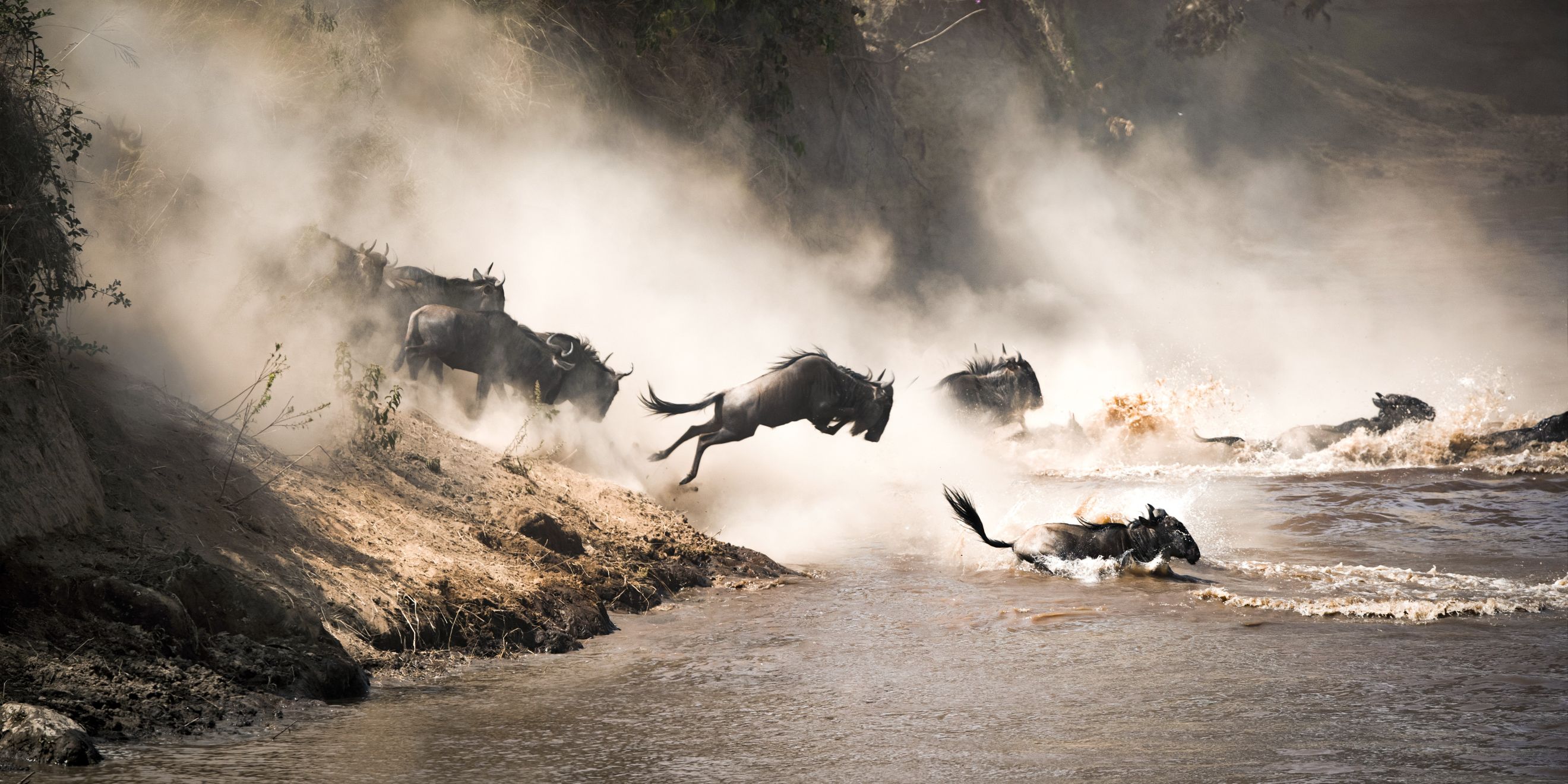
| Serengeti National Park | 2 nights | 3 nights (4+ for Migration) | Great Migration calving Dec–Mar (southern), river crossings Jul–Oct (northern). Longer stays in either period increase sighting odds significantly. |
| Ngorongoro Crater | 1 night | 2 nights (ideal) | Full day crater descent requires an early start from the rim. 2 nights allows a second crater morning and exploration of the Ngorongoro Conservation Area rim. |
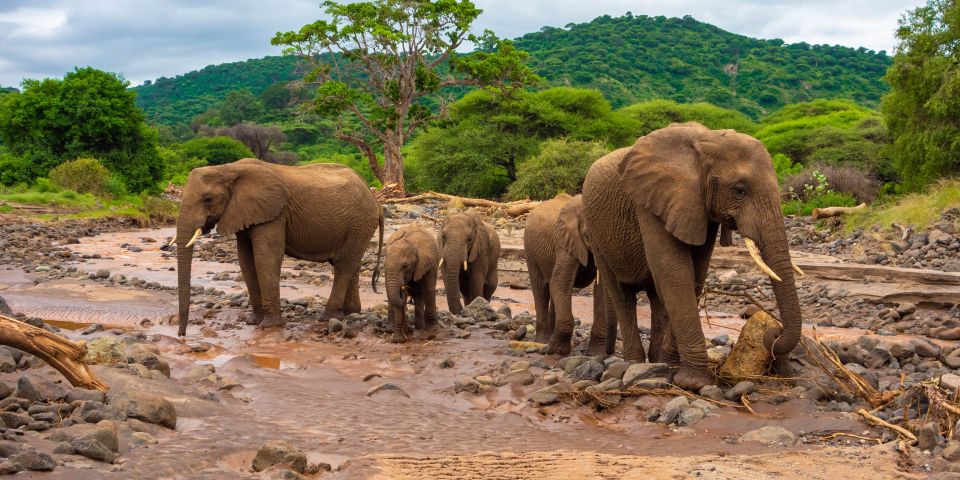
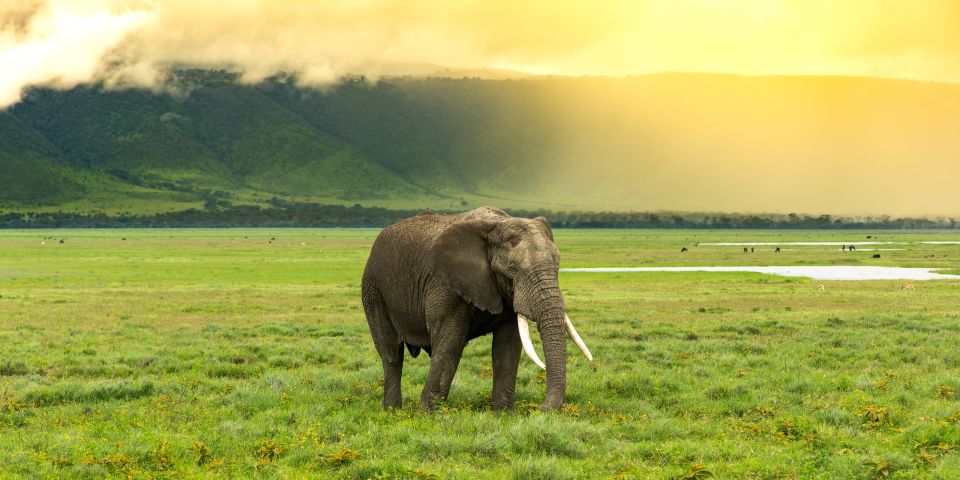
| Tarangire National Park | 1 night | 2 nights | Peak elephant concentration Jun–Oct (dry season). Africa's highest elephant density per square kilometre during this period. Often under-rated. |
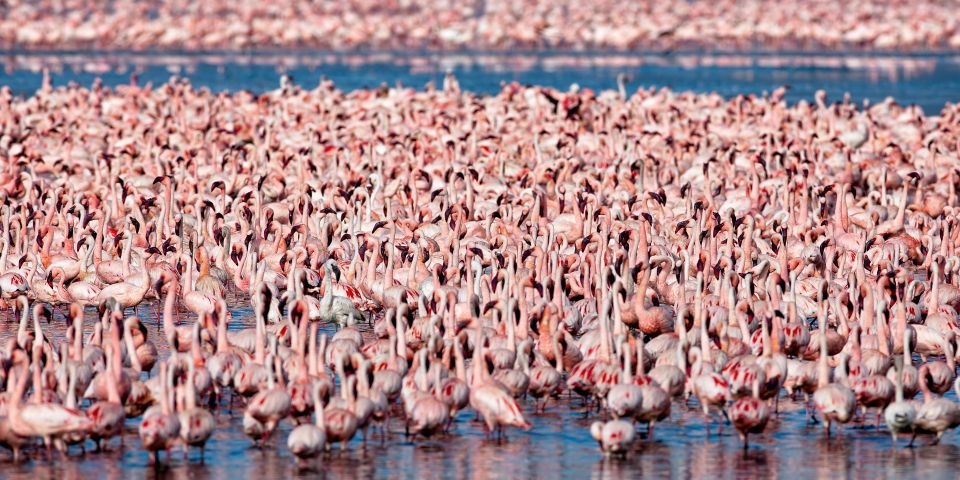
| Lake Manyara National Park | Half day | 1 night | Often combined with Tarangire as an en-route stop. Tree-climbing lions and flamingos are the draw. A full day here is rewarding but 1 night is enough. |
| Zanzibar | 3 nights | 5–6 nights | Short stay covers a Stone Town visit and beach. 5–6 nights allows snorkelling, diving, Jozani Forest, and a proper beach wind-down after safari. |
| Selous / Nyerere National Park | 2 nights | 3 nights | Remote — requires a domestic flight from Arusha or Dar es Salaam. Boat safaris, walking safaris, and fly-camping available. Fewer tourists than northern circuit. |
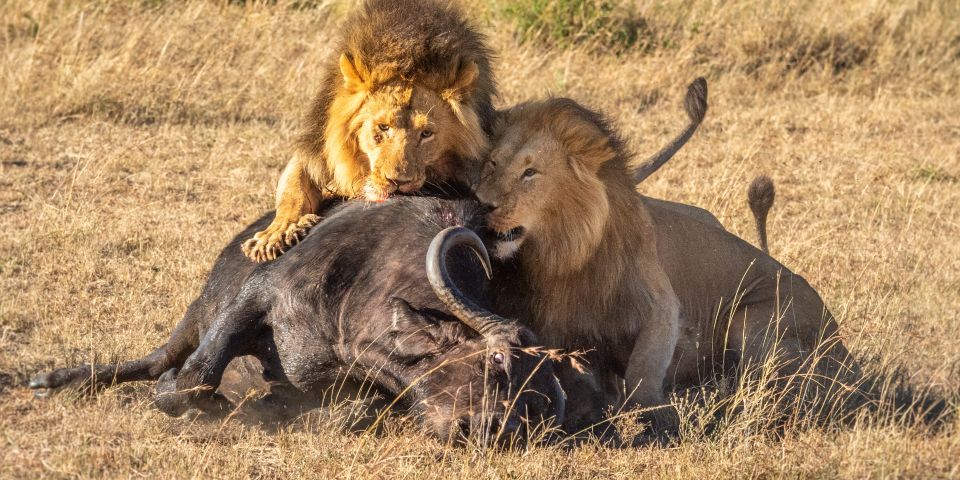
| Ruaha National Park | 2 nights | 3–4 nights | Tanzania's largest national park. Excellent for large predators — lion, leopard, wild dog. Requires domestic flight. Best paired with Selous in a southern circuit extension. |
Drive times are not dead time — your guide is spotting wildlife en route — but they are real constraints that compress your game drive hours. On shorter itineraries, consider a light aircraft flight into the Serengeti to recover a full day.
Tell Geoffrey, William, or Isaac your travel window — they will tell you the most you can do with it, honestly.
The mistake most first-time visitors make is under-budgeting time, not money. More nights in fewer parks consistently beats fewer nights spread across more parks — both for wildlife sightings and for the quality of the experience.
"Guests who stay 3 nights in the Serengeti see things that 1-night guests simply do not. The bush rewards patience. I have guided the same route for over 20 years — the most memorable moments always happen on the third morning."Geoffrey Komba — Lead Safari Guide, safari-tz.com
safari-tz.com handles the safari. kilimanjaromountaineers.com handles the climb. Both companies operate from Arusha — which means you get a coordinated, seamless handover between summit and game drive.
Physical preparation for Kilimanjaro is non-negotiable. The mountain's altitude (5,895 m / 19,341 ft) is the primary challenge — acclimatisation, not fitness, determines summit success.
Plan Your Climb →The minimum recommended is 6 days. 7 days covers the full Northern Circuit — Tarangire, Lake Manyara, Serengeti, Ngorongoro — comfortably. 8–10 days gives you more time in the Serengeti and a significantly better wildlife experience overall.
If you can only take 5 days, it is possible — but you will spend a meaningful portion of that time in transit between parks, and you will likely miss Tarangire (which has some of Africa's highest elephant densities).
It is possible but not ideal. A 5-day itinerary typically covers Serengeti and Ngorongoro only — you will miss Tarangire, which has some of Africa's highest elephant densities and is a genuine highlight of the northern circuit.
Every additional day in Tanzania adds meaningful wildlife value. If your schedule allows 6 or 7 days, take them. The difference between 5 days and 7 days is not marginal — it is the difference between a rushed taster and a complete experience.
Yes — 7 days is the most popular Tanzania safari duration for good reason. A 7-day Northern Circuit covers Tarangire, Lake Manyara, Serengeti (2 nights), and Ngorongoro Crater.
It is a complete, well-paced experience that gives you enough time in each ecosystem without feeling rushed. Most first-time visitors leave satisfied that 7 days was the right choice. If you can stretch to 8–10 days, the extra nights in the Serengeti are worth it — but 7 days is not a compromise, it is a solid itinerary.
A typical safari day runs like this:
Total active game drive time is typically 6–8 hours per day. Extended drives (bush lunch, full day in the park) are available on request and are worth considering in the Serengeti.
By road: Approximately 7–8 hours including the Ngorongoro Conservation Area gate stop. This is a full driving day and is typically combined with an en-route game drive or an overnight at Ngorongoro on the way in or out.
By light aircraft: Approximately 1 hour from Arusha Airport or Kilimanjaro International Airport to Seronera airstrip in the central Serengeti. This saves a full day of road travel — a significant benefit on itineraries of 5–7 days.
For guests with tight schedules, we often recommend flying into the Serengeti and driving back (or vice versa) to balance cost and time efficiency.
If your schedule and budget allow, yes — strongly. A 4–6 night Zanzibar extension after a safari is one of the best travel combinations available anywhere in the world.
The contrast between the Serengeti and the Indian Ocean beaches is striking. Zanzibar's Stone Town (UNESCO World Heritage), spice history, coral reefs, and white-sand beaches add a completely different dimension to the trip. Most guests who add Zanzibar describe it as a highlight in its own right, not an afterthought.
Arusha to Zanzibar is a short domestic flight — typically 1–1.5 hours. The transition is seamless. Minimum 3 nights; 5–6 nights is ideal.
Yes — this is one of safari-tz.com's most frequently requested combinations. The typical structure is Kilimanjaro first (7–9 days depending on route), then safari (5–7 days) as a recovery and reward.
Post-summit, your legs benefit from rest — and vehicle-based game drives are ideal recovery. Most guests find the transition from high altitude to open savannah profoundly satisfying. Allow 14–18 days minimum for the full combination without feeling rushed on either component.
See kilimanjaromountaineers.com for climb-specific planning. Both companies operate from Arusha and coordinate directly on combined itineraries.
Here is a 10-day Tanzania safari itinerary that consistently delivers for our guests:
Three nights in the Serengeti is the key difference between this and a standard 7-day itinerary. The extra two game drive days increase your wildlife sighting odds significantly and remove the sense of rushing through the park that characterises 1-night stops.
Our guides run these itineraries every week. Tell us your dates, your interests, and your budget — we will tell you honestly what you can achieve and what you cannot. No upsell, no pressure.