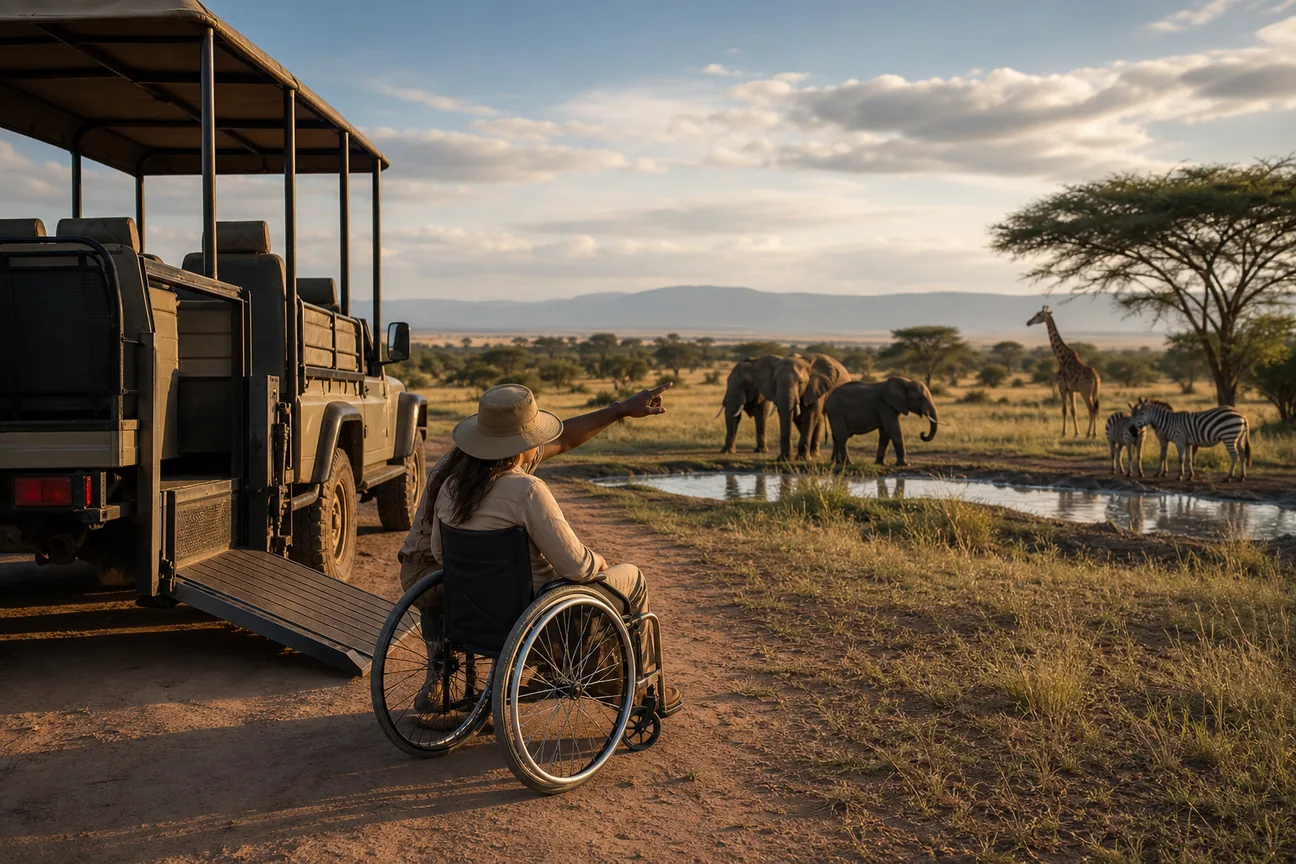
Best Wheelchair-Accessible Safari in Tanzania
best wheelchair-accessible safari in tanzania
Best Wheelchair-Accessible Safari in Tanzania
Explore the top wheelchair-accessible safaris in Tanzania, compare vehicles, parks, and accommodations, and find the perfect inclusive adventure.
Planning a safari when you use a wheelchair can feel like a puzzle. We’ve done the legwork and lined up the operators that actually make it work. Below are the 5 best wheelchair‑accessible safari options in Tanzania, plus a quick comparison to help you choose.
1. Safari TZ (Our Top Pick)
Safari TZ runs its own fleet of 4×4s, each fitted with ramps, secure tie‑downs, and power‑outlet kits for chargers or medical devices. Our guides get special training on wheelchair handling and pacing, so you never feel rushed.
We own the vehicles, the drivers, and the itineraries. That means we can tweak a route on the day if a road gets too muddy, or swap a lodge for one with a verified roll‑in shower. The Northern Circuit , Arusha, Tarangire, Ngorongoro, Lake Manyara, Serengeti , stays within a day‑trip’s driving distance, so you avoid long transfers or bush flights.
Travelers love the predictability: a ramp‑ready pickup at Kilimanjaro Airport, private departures that let you linger at a sighting, and a dedicated staff member who checks that your wheelchair is secure before every drive.
One thing to note: we ask guests to share wheelchair dimensions early so we can confirm lift capacity. It’s a small step that avoids surprises later.
What Makes a Good Safari Vehicle? | Safari‑TZ
2. Tanzania Trail — Broad park coverage with verified step‑free rooms
Tanzania Trail offers wheelchair‑adapted 4×4s and a roster of step‑free lodges across the Northern Circuit. Their vehicle ramps are hydraulic, and the crew has documented training on safe transfers.
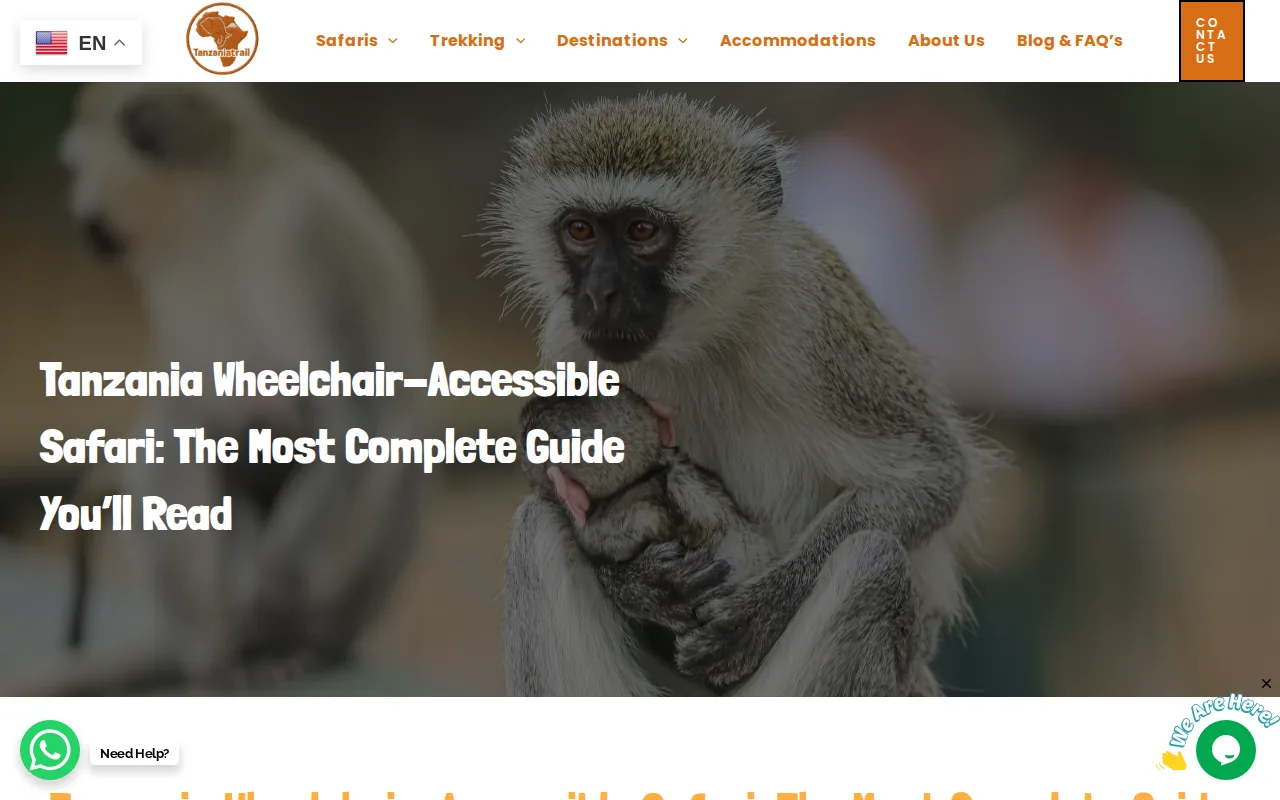
They list Arusha, Tarangire, Ngorongoro, Lake Manyara, and Serengeti as accessible parks, matching the core loop most travelers need.
The company pre‑checks each room’s door width, turning radius, and shower height, then sends you photos before you book.
Because they work with a network of independent lodges, you might encounter slight variations in bathroom layout; a quick chat with the operator clears that up.
3. Tanzania Wild Camps — Accessible camping around the northern circuit
Tanzania Wild Camps focuses on camp‑style lodging that meets universal design standards. Their Ngorongoro Wild Camp, for example, has ramps, wide‑door tents, and roll‑in showers.
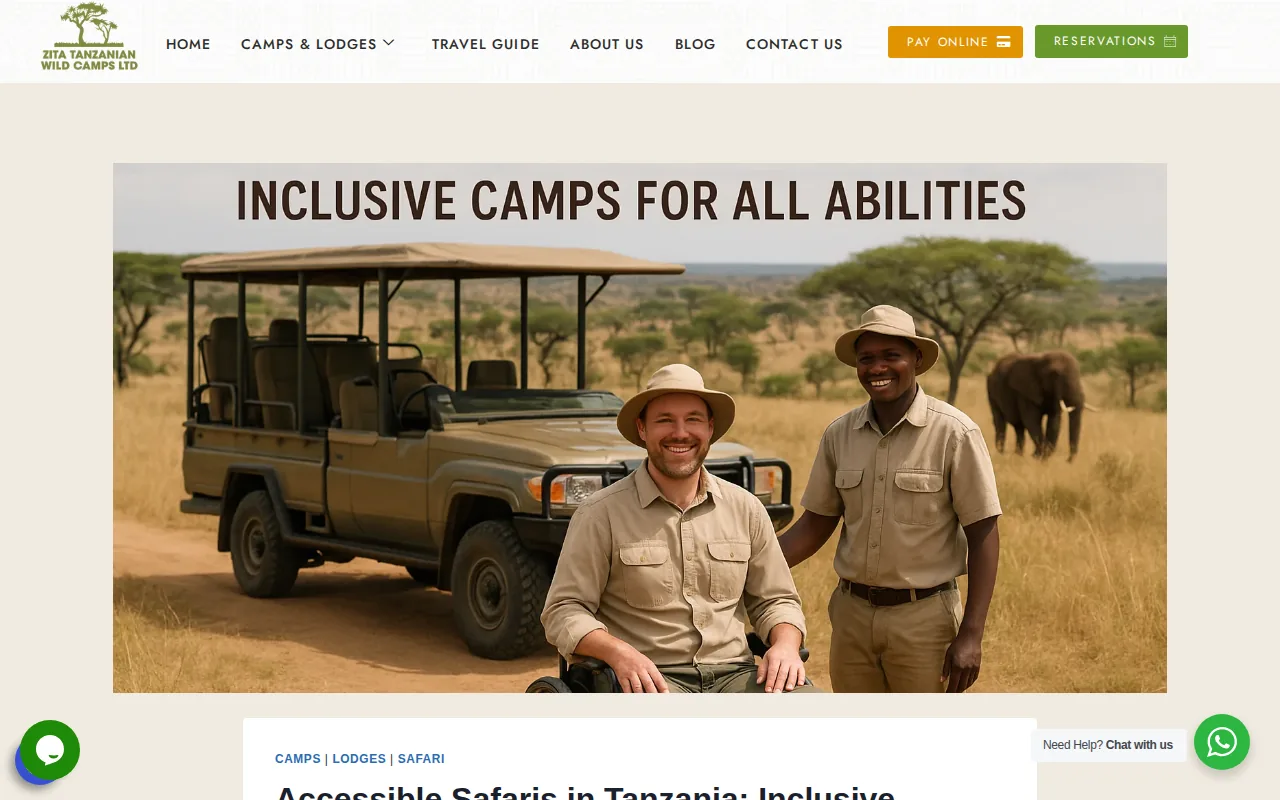
The camps sit on smooth park roads, so most game drives happen from the vehicle without the need to step out.
They also provide a “comfort kit” , lap blankets, a portable privacy screen, and extra battery chargers , that can be added at request.
While they cover Serengeti, Ngorongoro, and Tarangire, the camp locations are a bit farther apart, which can add a few extra hours of driving.
4. Nurtured Wildlife Safaris — Step‑free layouts and accessible bathrooms
Nurtured Wildlife Safaris builds its itineraries around single‑level camps with wide corridors and grab‑bars in every bathroom.
They verify each camp directly, asking for door measurements and shower clearances before they confirm a booking.
Because they avoid walking safaris, most wildlife viewing stays inside the vehicle, which limits exposure to rough terrain.
One limitation: they don’t operate their own fleet, so they rely on partner vehicles that may vary in lift height.
5. Roaming Africa Tours and Safaris — Roll‑in bathrooms across classic parks
Roaming Africa uses adapted Land Cruisers with either ramps or hydraulic lifts, and they pair each vehicle with lodges that feature roll‑in showers and grab rails.
Their guide team receives formal disability‑travel training, so they can help with wheelchair transfers at any point.
They cover Serengeti, Ngorongoro, Tarangire, and Lake Manyara, giving you a full Northern Circuit experience.
Because they focus on senior travelers, the pacing is deliberately relaxed, which works well for anyone needing extra time between sightings.
Compare the Best Wheelchair-Accessible Safari Options in Tanzania
For a deeper dive on park road conditions, see Serengeti National Park on Wikipedia.
Step‑free rooms and roll‑in showers can make travel more accessible.
FAQ
Can I bring my own wheelchair on a Tanzanian safari?
Yes, you can bring your own wheelchair, but tell the operator the model and weight so they can confirm lift capacity and secure tie‑downs.
Do wheelchair‑accessible safaris include the Great Migration?
Yes, most operators schedule game drives on the main park roads during migration season, so you can view the herds from the vehicle.
Are the park roads suitable for electric wheelchairs?
Electric wheelchairs work on the main gravel roads of Serengeti, Ngorongoro, Tarangire and Lake Manyara, but rough patches can appear after heavy rain, so a backup manual wheelchair is advisable.
What medical support is available on these tours?
All listed operators train guides to handle basic medical needs, carry first‑aid kits, and have evacuation plans that include vehicle‑compatible stretchers.
Is travel insurance required?
Yes, we recommend a policy that covers medical evacuation and equipment loss; many providers can suggest insurers familiar with Tanzanian travel.
We suggest reaching out to Safari TZ for a custom quote that matches your mobility needs.
Conclusion
For the most reliable, hands‑on experience, we recommend Safari TZ. Contact us today for a tailored itinerary and an upfront quote, and start planning your inclusive Tanzanian adventure.