Top Dive Sites and Tips for Diving Zanzibar
top dive sites and tips for diving zanzibar
Top Dive Sites and Tips for Diving Zanzibar
Explore Zanzibar's best dive spots, season guide, and practical tips. Plan your dive adventure with Safari TZ’s expert advice.
Ready to explore the crystal‑clear waters off Tanzania’s Spice Islands? We’ve pulled together the must‑see dive sites, the best seasons, and the usable tips you need to make the most of your underwater adventure. Below is a complete guide to diving Zanzibar, plus a quick rundown on booking your trip with Safari TZ.
Why Zanzibar Is a Premier Diving Destination
Zanzibar sits in the Indian Ocean, straddling a vibrant coral reef system that supports a huge variety of marine life. The archipelago’s reefs act as nurseries for countless fish species, making the waters unusually lively for both beginners and seasoned divers. According to Wikipedia, tourism in Zanzibar has surged in recent years, driven in part by its growing reputation as a world‑class dive locale.
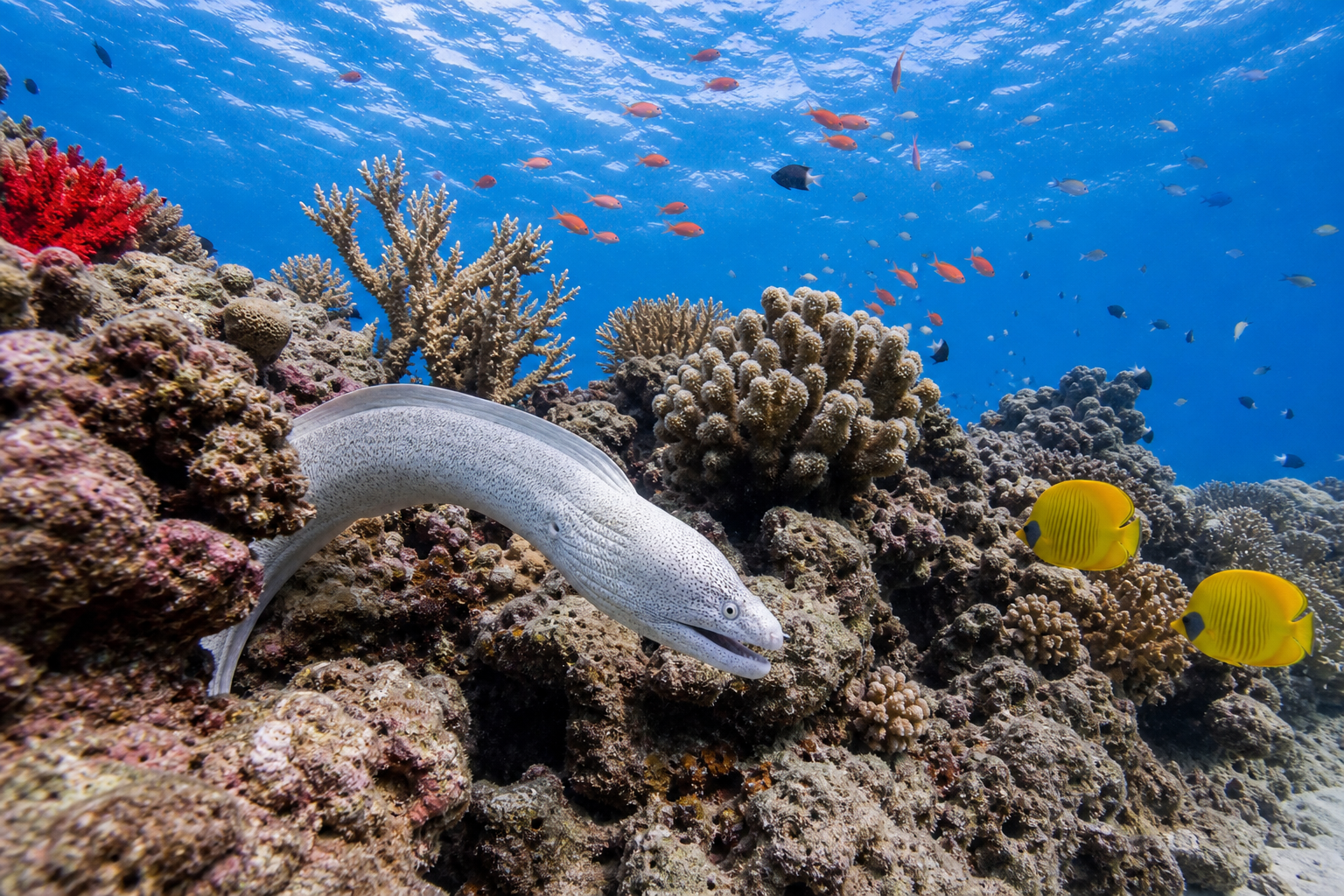
The islands benefit from warm water year‑round, with average sea temperatures ranging from 26 °C in the cooler months to 29 °C at the peak of summer. Visibility often exceeds 20 m, especially during the dry season when the prevailing winds are light. These conditions let you see the reef’s residents , from white moray eels to flamboyant lionfish , in crisp detail.
Another advantage is the easy access: Zanzibar’s main airport handles over a million passengers annually, and the island’s five ports make it simple to reach dive sites by boat. This infrastructure means you can spend more time underwater and less time arranging transport.
Mnemba Atoll – Zanzibar's Most Famous Dive Site
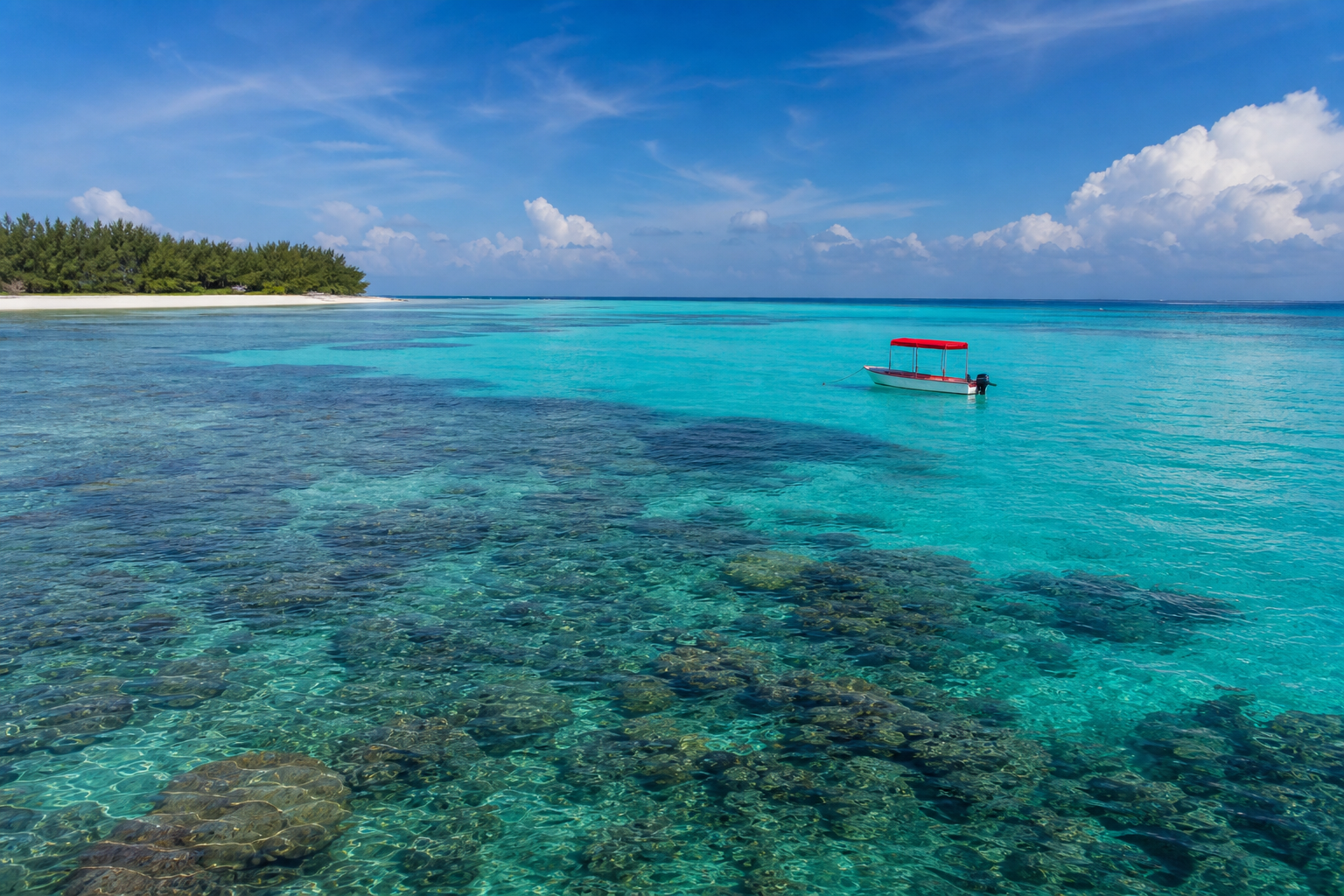
Mnemba Atoll sits just off the northeast coast of Unguja and is famous for its pristine coral gardens. The atoll’s shallow walls start at about 5 m and plunge to 30 m, offering a range of depths that suit both novices and advanced divers.
The marine life list is impressive: white moray eel, pufferfish, lionfish, and a kaleidoscope of small reef fish dominate the scene. Because the site is protected, the coral remains healthy and the fish populations are abundant , a perfect backdrop for underwater photography.
Access is usually via a short boat ride from the nearby resort towns. Safari TZ runs daily trips with experienced dive guides who know the safest entry points and can point out hidden critters that most tourists miss.
Other Top Dive Sites Around Zanzibar
Beyond Mnemba, the archipelago offers several other quality dive spots. The northern tip of Pemba Island features a reef known for its steep drop‑offs and occasional dolphin sightings. To the south, a coastal area provides a chance to see resident whale sharks during the peak season.
On the main island, a protected marine reserve showcases a thriving coral ecosystem untouched by over‑tourism. Divers here can explore cavernous passages and spot rare nudibranchs.
All these sites benefit from the same warm water and high visibility that make Zanzibar a diver’s paradise. According to Wikipedia, the archipelago’s marine habitats are among the most biologically diverse in the Western Indian Ocean, which explains the sheer variety you’ll encounter across different sites.
Best Time for Diving in Zanzibar – Seasons and Conditions
The ideal diving window runs from June to October, when the southeast monsoon brings calm seas and clear skies. During these months, surface winds drop, reducing surface chop and boosting underwater visibility.
From November to March, the northwest monsoon can stir up stronger currents, especially on the island’s western side. While this period still offers good dives, it’s better suited to more experienced divers who enjoy a bit of drift.
December to February is the peak season for spotting whale sharks, making it a bucket‑list moment for many underwater photographers.
Regardless of the month, always check the local tide tables before heading out. Tides can affect entry points and the amount of reef exposed at low water.
Diving Tips for Beginners and Experienced Divers
First‑time divers should book a discover‑scuba program with a reputable operator. Safari TZ offers a PADI‑aligned intro dive that includes a short classroom session, gear fitting, and a shallow guided start a calm bay.
Experienced divers can take advantage of deeper walls at Mnemba or the drift dives off Pemba. Bring a dive computer to monitor depth and no‑decompression limits; the reefs often have hidden drop‑offs that can surprise you.
Always respect the marine environment. Avoid touching corals, keep a safe distance from marine life, and use reef‑safe sunscreen to protect the fragile ecosystem.
When planning your gear, a dry‑suit can be comfortable in the slightly cooler water of June‑July, while a simple wetsuit works fine for the hotter months.
Finally, keep an eye on the weather forecast. Sudden squalls can develop quickly, and it’s better to postpone a dive than risk safety.
For more on local water activities and how to combine diving with other adventures, on water sports in Zanzibar.
How to Book Your Zanzibar Dive Trip with Safari TZ
Booking with Safari TZ is simple. First, visit our website and select the “Zanzibar Diving” package that matches your experience level. Next, fill out the short questionnaire so we can tailor the itinerary , whether you want a private boat, a group adventure, or a multi‑day dive cruise.
Our team will then send you a detailed itinerary, including flight options, hotel recommendations on Unguja or Pemba, and a list of dive sites you’ll visit. Because we run our own fleet of 4×4s and have local dive‑guide licenses, you get the same crew from start to finish, eliminating the hand‑off you often face with booking platforms.
Once you confirm, we handle all permits, equipment rentals, and transport to the dive sites. The only thing you need to bring is your certification card and a sense of adventure.
Frequently Asked Questions About Diving Zanzibar
What is the minimum certification needed to start Zanzibar?
You need at least an Open Water Diver certification for most sites. Advanced or specialty certifications let you explore deeper walls and drift dives safely.
Are there dive shops on the island?
Yes, several reputable shops operate in Stone Town and Nungwi. Safari TZ partners with local operators that provide well‑maintained gear and bilingual guides.
Can I see whale sharks in Zanzibar?
Yes, whale sharks visit certain channels around the island most reliably between December and February, attracting divers from around the world.
What is the water temperature year‑round?
Sea temperature stays between 26 °C and 29 °C throughout the year, making a wetsuit optional for most divers.
Do I need a visa to start Zanzibar?
Most travelers can obtain a visa on arrival at Zanzibar's main airport, or apply online beforehand for an e‑visa.
Is dive insurance required?
While not mandatory, we strongly recommend a policy that covers scuba activities, as it protects you against unexpected medical costs.
Conclusion – Look at Zanzibar with Safari TZ
If you want a hassle‑free, expertly guided dive experience, we recommend booking directly with Safari TZ. Click through to request a custom quote and start planning your underwater adventure today.