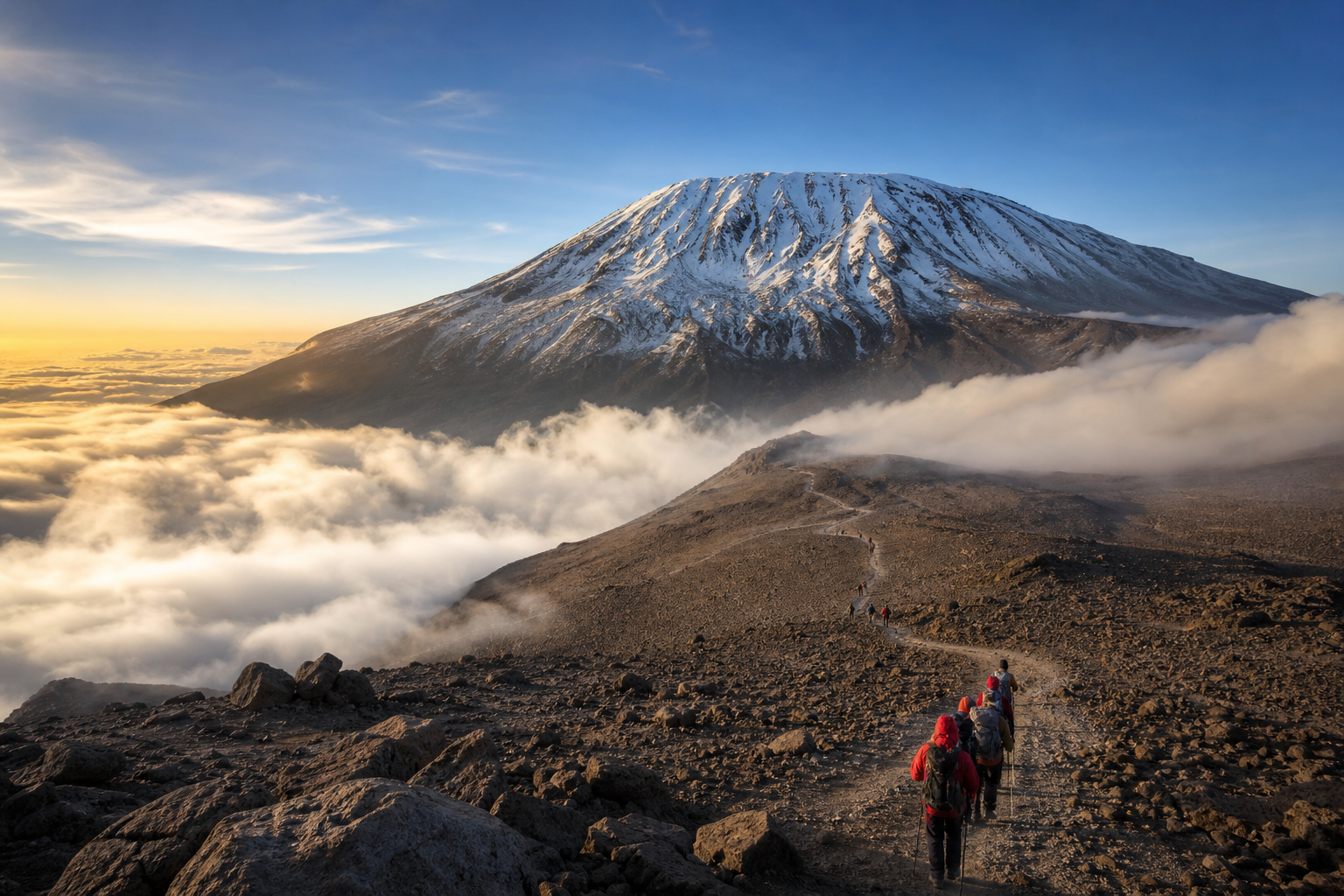
How Hard Is Kilimanjaro? A Complete Difficulty Guide
how hard is kilimanjaro? a complete difficulty guide
How Hard Is Kilimanjaro? A Complete Difficulty Guide
Learn the real challenges of climbing Kilimanjaro—altitude, fitness, routes, and mental prep. Expert insights from Safari TZ help you decide if you’re ready.
Thinking about standing on the roof of Africa? The climb feels epic, but the real question is whether you can handle the strain. Below we break down the core factors that decide how hard Kilimanjaro really is, so you can gauge your chances before you book.
Understanding Altitude and Acclimatization
Altitude is the biggest hidden enemy on Kilimanjaro. The summit sits at a height that pushes most bodies into low‑oxygen territory.
The mountain’s rapid rise means temperature drops dramatically from a warm 30 °C at the base to below ‑20 °C at Uhuru Peak. This shift adds stress to your lungs and circulation, and can trigger acute mountain sickness (AMS) if you rise too fast. According to Wikipedia, the risk of AMS rises sharply, and severe cases can turn into life‑threatening pulmonary or cerebral edema.
Acclimatization works by giving your body time to produce more red blood cells and adapt to thinner air. Longer routes that spread the ascent over six to eight days let you climb slower, sleep lower, and climb higher, a strategy locals call “pole pole” (slowly). The science shows that a gradual climb improves summit success by up to 30 % compared with rushed five‑day itineraries.
Physical Fitness Requirements for Kilimanjaro
Kilimanjaro is a trek, not a technical climb. You won’t need ropes or crampons, but you will need stamina for long days of walking on uneven ground.
Anyone who can comfortably walk 5–6 km on level ground should be able to handle the daily distances on Kilimanjaro, which range from 8 km on the lower slopes to 15 km near the summit. A few months of regular walks, runs, or hikes will build the leg strength and cardiovascular base you need. If you’re new to endurance work, start with three 30‑minute walks a week, then add a longer hike on the weekend. Increase distance by 10 % each week to avoid injury.
Strength in the core and quads matters too. Simple body‑weight squats, lunges, and step‑ups mimic the uphill push you’ll feel on the mountain. Flexibility helps you adapt to rocky steps and uneven terrain, so a short yoga routine before bed can keep muscles loose.
We always advise a quick check‑up before the climb. A doctor can flag heart or lung issues that might flare at altitude. And remember, fitness isn’t about being an elite athlete , it’s about being steady, confident, and able to keep a comfortable pace for several days.
Comparing Kilimanjaro Routes: Which Is Hardest?
Seven official routes lead to Uhuru Peak, each with a different mix of length, crowd density, and difficulty. Success rates vary dramatically, and the route you pick will shape how hard the climb feels.
The data shows that longer, quieter routes like Lemosho and the Northern Circuit give you more days to acclimatize, which translates into higher summit odds. The popular Marangu route, while the shortest, often forces a fast climb that limits acclimatization and leads to lower success. Rongai, despite being a moderate‑difficulty path, tops the success chart at 88 % because it starts from the north, offers a gentler gradient, and sees fewer climbers crowding the trail.
When you weigh difficulty, think about three factors: how many days you can spare, how much traffic you tolerate, and how steep the terrain feels. A steep, short route like Umbwe will feel tougher on the legs, while a longer, more gradual climb lets your body adjust, even if you’re not a seasoned hiker.
Mental Toughness: The Hidden Challenge
Even when the physical side is in check, the mind can trip you up. Altitude reduces sleep quality, and the monotony of walking for hours can drain morale.
Guides on Kilimanjaro often sing “Jambo Bwana” to lift spirits, but you’ll also need personal strategies. Break the climb into daily goals: reach the next camp, then the next water source. Celebrate each small win. Visualization helps too, picture yourself standing on Uhuru Peak before you even start the ascent.
Hydration and nutrition play a mental role. Dehydration can cause headaches and irritability, which feel like the mountain is fighting you. Eat regular, carb‑rich meals and sip water constantly. If you feel a dip in motivation, a quick chat with a guide or a teammate can reset your mindset.
How an Experienced Operator Boosts Your Chances
Choosing the right operator can be the difference between a triumph and a retreat. A seasoned outfit handles permits, porters, and daily health checks with a smooth rhythm that lets you focus on the climb.
Safari TZ runs its own 4×4 fleet, employs local driver‑guides who grew up on the slopes, and offers every major route under one trusted name. This means you get consistent support whether you pick the crowded Marangu or the quiet Lemosho. Our guides monitor pulse oximeter readings each morning, carry bottled oxygen for emergencies, and know the exact points where a slower pace helps the group acclimatize.
Because we control the whole supply chain, we can adjust itineraries on the fly if weather or altitude symptoms demand extra rest days. That flexibility is rarely possible when you book through a marketplace that stitches together separate porters and guides.
For more on picking a reliable crew, on How to Choose a Kilimanjaro Operator - Safari‑TZ. The page walks you through licensing, crew experience, and equipment standards, giving you a clear checklist before you sign up.
FAQ
How high is Kilimanjaro?
Mount Kilimanjaro’s summit, Uhuru Peak, stands at a high altitude above sea level.
Do I need mountaineering experience to climb Kilimanjaro?
No, the climb is a high‑altitude trek, not a technical climb; ropes and crampons aren’t required.
What is the average success rate for climbers?
Success rates vary by route, with Rongai topping at about 88 % and shorter, crowded routes often falling below 60 %.
How many days should I plan for the climb?
Most climbers take 5‑9 days; longer routes like Lemosho or the Northern Circuit use 6‑8 days to improve acclimatization.
Can older travelers attempt Kilimanjaro?
Yes, many guests in their 60s and 70s summit successfully when they follow a proper acclimatization schedule and choose a supportive operator.
What gear is essential?
Key items include trekking poles, a warm insulated jacket, a sleeping bag rated for , 20 °C, and a 30‑litre backpack with a hydration system.
Conclusion
If you match your fitness level to a longer, quieter route and travel with a trusted operator like Safari TZ, the climb feels manageable rather than brutal. Ready to plan your ascent? Visit our route‑selection guide and start the booking process today.