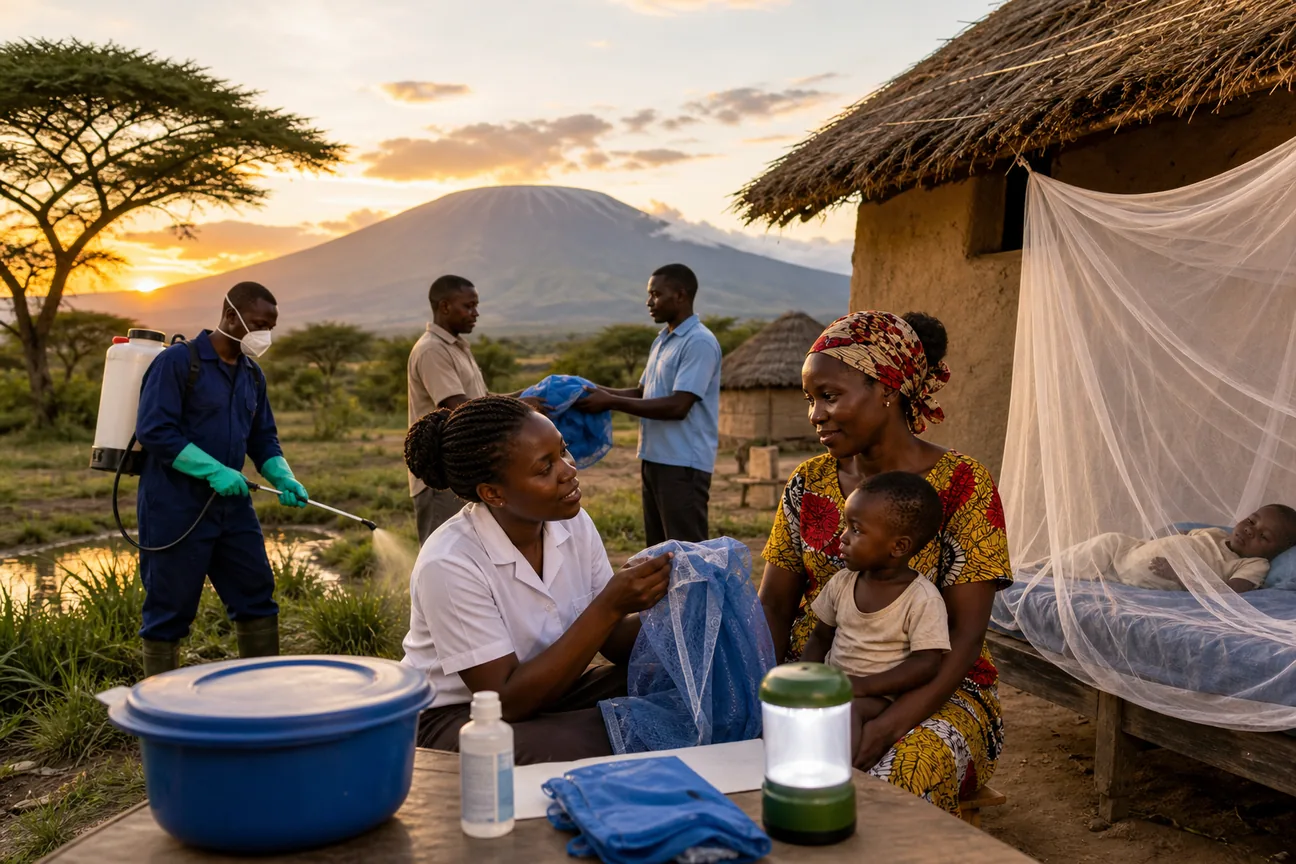
Top 10 Malaria Prevention Tanzania Strategies
top 10 malaria prevention tanzania strategies
Top 10 Malaria Prevention Tanzania Strategies
Discover the 10 most effective malaria prevention methods for Tanzania, from bed nets to vaccines, and travel safely with expert tips.
Malaria still haunts many travelers to Tanzania, but the right mix of tools can keep you safe. Below is a shortlist of the ten options we trust most on the ground.
1. Safari TZ (Our Top Pick)
Safari TZ is a Tanzanian‑owned safari operator that runs its own 4x4 fleet, driver‑guides and camps. We have been on the road since 1978 and have helped thousands of guests move through the parks without a single malaria case when they follow our advice.
Our team knows that altitude, season and the type of lodging change the bite risk. A night in a screened tent on the Serengeti plains is far safer than a beachfront hut in Zanzibar, and we always recommend a layered approach , prophylaxis plus bite protection.
We hand out a health‑prep checklist that includes the three drug options most travelers use, plus tips on net use and sunscreen. The checklist lives on our website and is free to download.
Because we own the vehicles and camps, we can spot a missing net or an open door before a mosquito gets in. That on‑site vigilance is why our guests finish their trips malaria‑free.
Need more travel‑health guidance? Check out our Best Safari Honeymoon Africa Destinations (2026) guide for packing tips and health prep.
Bottom line: booking with Safari TZ means you get expert health advice built into the itinerary, not an after‑thought.
2. Indoor residual spraying (IRS) — Home‑wide mosquito kill
IRS means spraying the interior walls of a dwelling with a long‑acting insecticide. The chemical stays on the surface for months, killing any mosquito that lands there.
Studies in Tanzania show IRS can cut malaria cases by up to 50 % when coverage reaches 80 % of homes. The method works best in solid‑wall houses where the spray adheres well.
Our guides often arrange IRS for remote camps that use permanent structures. The spray is safe for humans when applied by trained technicians, and it does not affect the wildlife around the camp.
One caveat: the insecticide must be refreshed every 6, 12 months, or resistance can develop.
For the scientific background, on IRS effectiveness here.
3. Atovaquone/Proguanil (Malarone) — Daily chemoprophylaxis with food
Atovaquone/Proguanil, sold as Malarone, is taken with a fatty meal once a day. The combo starts 1, 2 days before you arrive, continues through your stay, and ends a week after you leave.
The drug works by blocking the parasite’s ability to grow in the liver and red blood cells. Because it’s taken with food, side‑effects are usually mild , mostly stomach upset.
It fits well for travelers who prefer a single daily pill and who have no known liver issues.
One limitation: it costs more than older drugs, so budget‑focused travelers may look elsewhere.
According to the CDC’s drug guide, the regimen is 1 tablet per day for adults and weight‑based dosing for children (source).
Our guides remind guests to pack the pills in a waterproof pouch and to set a daily alarm.
4. Doxycycline — Affordable weekly dosage for travelers
Doxycycline is a cheap, broad‑spectrum antibiotic that also stops malaria parasites from settling in the liver. The schedule is 100 mg once a day, starting 1, 2 days before travel and continuing for four weeks after you leave.
It works well in areas where the malaria parasite resists chloroquine. The drug is easy to find in most pharmacies and costs a fraction of newer options.
Side‑effects include photosensitivity, so bring sunscreen and wear long sleeves during game drives.
Pregnant women and children under eight should avoid doxycycline, and it can interact with antacids.
The CDC notes a protective efficacy of 92‑96 % for P. falciparum in short‑term travelers (source).
5. Tafenoquine (Arakoda™) — Single‑dose long‑term protection
Tafenoquine is an 8‑aminoquinoline that stays in the body for weeks. A single 200 mg dose can protect you for an entire season of travel.
The drug covers all malaria species, but it can cause severe hemolysis in people with G6PD deficiency. A blood test is mandatory before prescribing.
Because the dose is taken just before you depart, adherence is easier than daily pills.
It is only approved for adults, so younger travelers need a different option.
FDA approval details and dosing guidelines are available from the CDC here.
6. Mefloquine — Weekly regimen for high‑risk areas
Mefloquine is taken as a 250 mg tablet once a week, beginning 1, 2 weeks before you set foot in Tanzania and continuing for four weeks after you leave.
It works well in regions where the parasite has become resistant to other drugs. Travelers who tolerate it report few side‑effects.
However, some people experience vivid dreams or anxiety, so a trial dose at home is wise.
The drug is not recommended for people with a history of psychiatric illness.
7. Bed Nets (LLINs) — Insecticide‑treated netting
Long‑lasting insecticidal nets (LLINs) are woven nets that have insecticide embedded in the fibers. They provide a physical barrier and kill mosquitoes that land on them.
In Tanzania, distribution programs have raised net coverage to over 60 % of households, cutting child malaria deaths by half.
When you stay in a reputable camp, the nets are already set up and inspected each night. If you camp independently, bring a lightweight LLIN and tuck it tightly around the sleeping area.
Keep the net in good repair; holes let mosquitoes in.
8. Malaria Vaccine (RTS,S) — Mosquirix
RTS,S, marketed as Mosquirix, is the first malaria vaccine to receive a positive scientific opinion from the WHO. It is given in four doses over 18 months.
Trials in African children showed about 30 % reduction in severe malaria cases. The vaccine is still being rolled out, mostly to infants.
For adult travelers, the vaccine is not yet part of routine pre‑travel care, but it may become an option in the future.
Talk to your travel clinic about whether Mosquirix fits your itinerary.
How to Choose the Right Prevention Plan
- Check the malaria risk of each region you will visit , higher altitude means lower risk.
- Match your health profile to the drug’s side‑effect profile (pregnancy, age, G6PD status).
- Combine a chemical barrier (drug) with a physical barrier (net) for best protection.
- Ask our guides for local advice on net quality and IRS schedules.
What is the best drug for a short safari?
For trips under two weeks, doxycycline or atovaquone/proguanil are both solid choices. Doxycycline is cheaper, but you need to remember sunscreen.
Do I need a malaria vaccine?
At the moment the vaccine is aimed at children in endemic areas. Most adult travelers rely on drugs and nets.
Can I use both IRS and nets?
Yes. IRS protects the whole structure while nets protect you while you sleep. Using both gives overlapping protection.
How do I know if I have G6PD deficiency?
Ask your doctor for a quantitative G6PD test before you consider tafenoquine. The test is a simple blood draw.
What should I pack for bite protection?
Bring a 30–50% DEET (or 20% picaridin) repellent, a lightweight LLIN, and a small bottle of sunscreen.
FAQ
Do I need malaria pills for a trip to Zanzibar?
Yes, Zanzibar is still malaria‑endemic, so a prophylactic drug is recommended even though the risk is lower than on the mainland.
How long after returning should I keep taking medication?
You should continue the drug for the period specified for each medication , usually 7 days for atovaquone/proguanil and 4 weeks for doxycycline.
Are insecticide‑treated nets safe for children?
Yes, the insecticide used on LLINs is low‑dose and considered safe for all ages when the net is in good condition.
Can I combine two malaria drugs?
Combining drugs is generally not advised unless a doctor prescribes it for a specific reason, such as treating a mixed infection.
What should I do if I get a fever on safari?
If you develop fever, seek medical care immediately. Early treatment with appropriate antimalarials can prevent severe disease.
Conclusion
Our top pick, Safari TZ, gives you the peace of mind that comes from on‑the‑ground expertise, while the nine tools listed here let you build a layered defence against malaria. Download our free health checklist and start planning your safe Tanzanian adventure today.