Selous Game Reserve: Complete Safari & Wildlife Guide
selous game reserve: complete safari & wildlife guide
Selous Game Reserve: Complete Safari & Wildlife Guide
Explore Tanzania's vast Selous Game Reserve. Learn about wildlife, best activities, ideal travel times, lodging, and conservation with Safari TZ.
Most travelers think of the Serengeti first, but Selous Game Reserve holds Tanzania’s biggest elephant herd and a surprisingly modest bird count. Below you’ll find a full picture of the park, its wildlife, how to explore it, when to go, where to stay, and what challenges the reserve faces.
Overview: Tanzania’s Largest Protected Wilderness
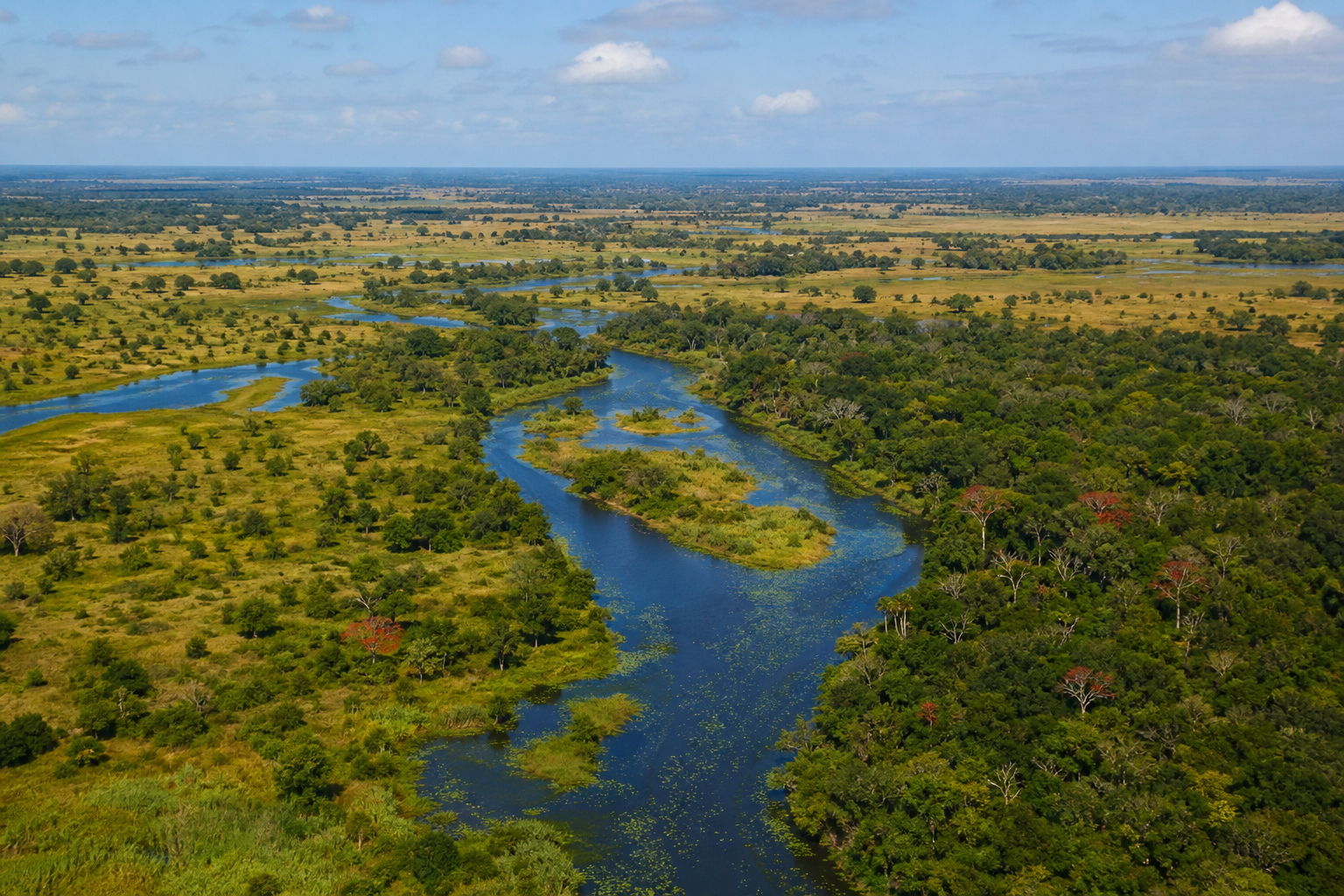
Selous stretches over 50,000 km² (5.12 million ha), making it about the size of Spain. Its sheer scale means you can spend days without seeing the same landscape twice. The reserve is split into a hunting zone and a small tourism corridor that covers roughly 8 % of the north‑side area, where most photographic safaris happen.
The park’s size and its mix of habitats, from Miombo woodlands to riverine swamps, are well documented.
The sheer breadth of Selous creates logistical challenges. Roads are few and often unpaved, so a reliable 4×4 fleet matters. That’s where Safari TZ steps in , we run our own vehicles from Arusha, so we can reach remote blocks without relying on third‑party hires.
Extraordinary Wildlife & Habitats
Elephants dominate the scene , about 106,300 roam the park, the largest concentration in Tanzania. Black rhinos add rarity, with roughly 2,135 individuals. Hippos thrive along the Rufiji River, numbering near 18,200, while approximately 204,015 buffalo graze the plains. Cheetahs, giraffes, and lions also roam, but birdwatchers will find only 350 species, a modest tally compared with other parks.
UNESCO warns that poaching has cut elephant and rhino numbers by almost 90 % since the early 1980s, underscoring the need for responsible tourism.
Habitat diversity fuels this wildlife mix. Miombo woodlands provide dry season browse, while riverine forests support hippos and crocodiles. Seasonal floodplains turn into water‑logged savanna, drawing herbivores in large herds. Our guides know which waterholes hold the best action at different times of year.
Top Safari Activities: By Land and Water
Game drives in sturdy 4×4s remain the core experience. Early mornings and late afternoons bring the most sightings as animals move between water sources. Our own fleet lets us reach remote blocks that larger tour operators miss.
Boat safaris on the Rufiji River offer a different angle. Gliding past hippo-infested bends, you’ll hear croc snaps and spot water birds that hide from land‑based eyes. Walking safaris, led by armed rangers, let you feel the bush underfoot and learn tracking skills.
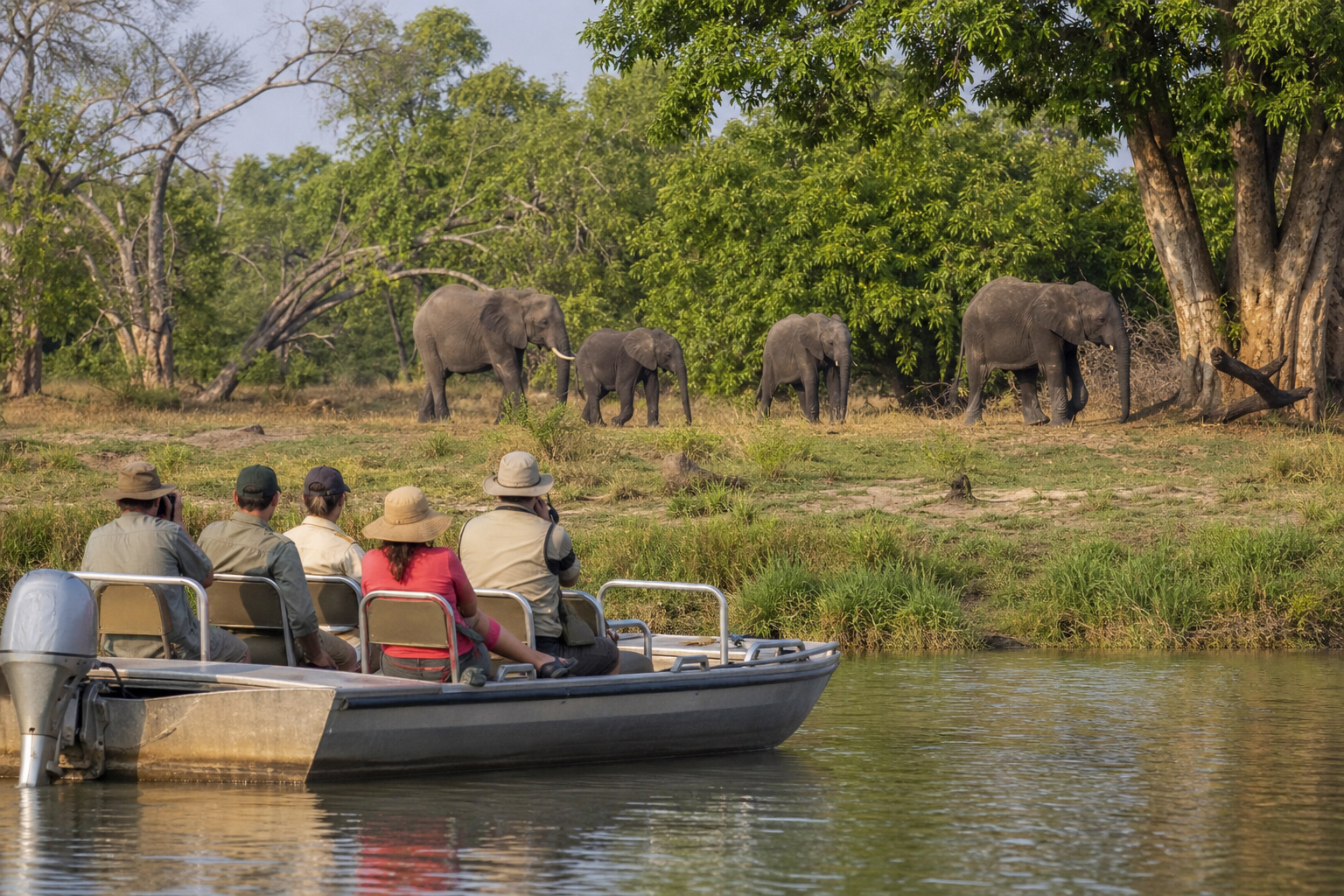
Each activity has its own rhythm. Game drives cover large distances, boat safaris linger on water, and walking tours focus on detail. Choose based on your interests and fitness level.
Best Time to Visit Selous Game Reserve
Dry months (June to October) concentrate wildlife around the remaining waterholes, making animal tracking easier. The landscape turns golden, and roads are more passable. However, the rains (November to May) swell the Rufiji, opening new river routes for boat safaris and attracting migratory birds.
Because bird diversity is low, birdwatchers may prefer the dry season when larger birds are easier to spot. Families with young children often choose the dry months for smoother travel.
Our team monitors road conditions daily and can adjust itineraries on the fly, ensuring you get the most out of any season.
Where to Stay & Conservation Challenges
Lodging is limited to a handful of luxury lodges and simple camps, all positioned near the tourism corridor. The scarcity means you should book well ahead, especially for peak dry season.
Conservation is a daily battle. Poaching pressure remains high, and the reserve sits on UNESCO’s List of World Heritage in Danger. Our guides support anti‑poaching patrols by sharing real‑time sightings and by following strict waste‑free policies.
Safari TZ works directly with park authorities, providing employment for local rangers and funding community projects that reduce reliance on illegal hunting.
For more destination ideas, explore our Destination page where we list all the parks we operate in, including Selous.
Frequently Asked Questions
What is the best month to see elephants in Selous?
The dry season, especially August and September, brings elephants to the few remaining waterholes, making sightings frequent.
Do I need a special permit to enter Selous?
Yes, a park entry permit is required for all visitors. Safari TZ arranges the paperwork as part of our booking process.
Can I combine a Selous safari with a beach stay?
Absolutely. Many guests finish their Selous adventure in Dar es Salaam and then head to Zanzibar for a beach extension.
Is a walking safari safe for beginners?
Walking safaris are safe when led by trained, armed rangers, which is the case on all Safari TZ tours.
How many days are needed to explore Selous properly?
We recommend at least three full days to cover both land and river activities without feeling rushed.
Conclusion
Selous Game Reserve offers massive elephant herds, powerful river scenery, and a genuine sense of wilderness. Our team at Safari TZ can handle the logistics, guide you safely, and support local conservation. Ready to plan your trip? Request a custom itinerary on our website and let us handle the details.