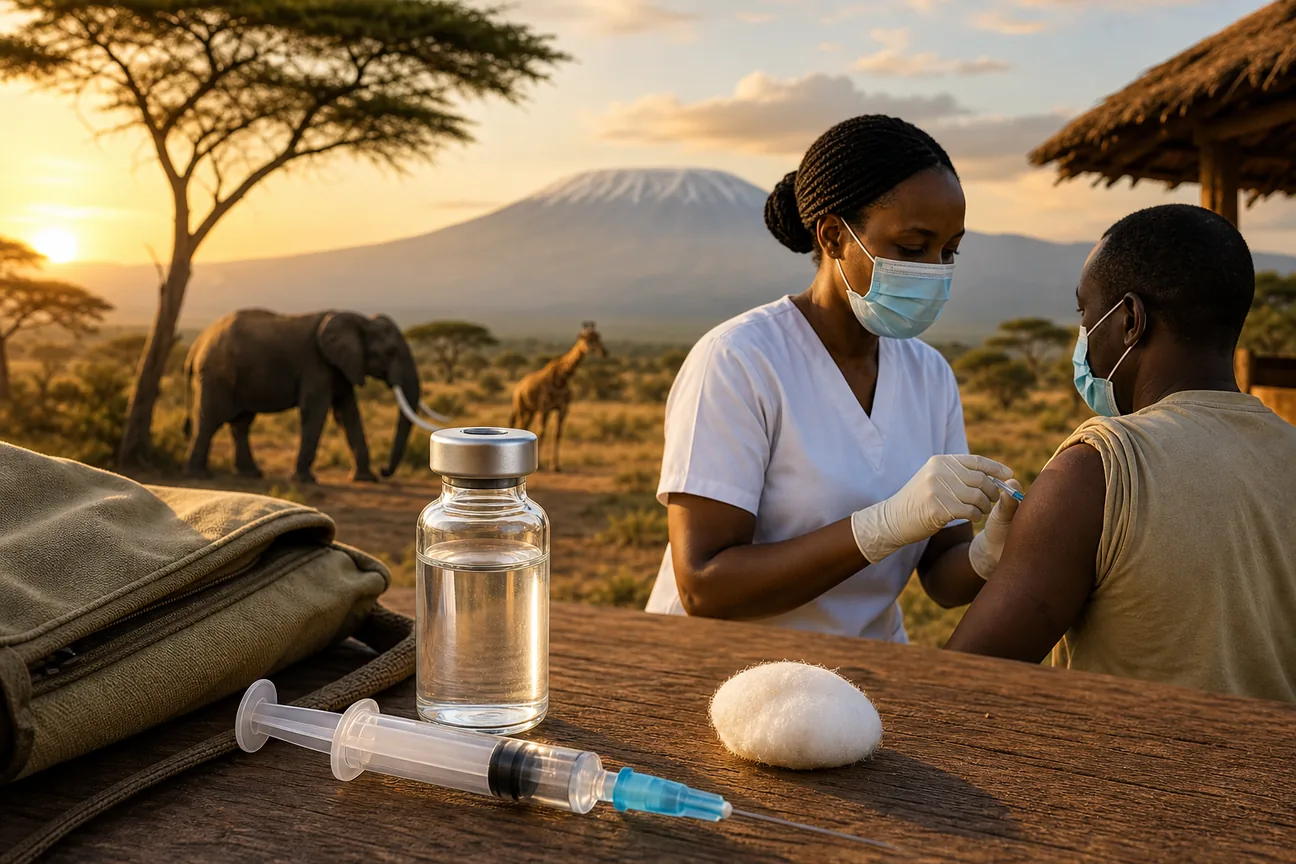
Top 10 Options for Yellow Fever Vaccine Tanzania
top 10 options for yellow fever vaccine tanzania
Top 10 Options for Yellow Fever Vaccine Tanzania
Discover the 10 best places to get your yellow fever vaccine in Tanzania, with details on cost, location, and what to expect. Stay safe for your safari.
Planning a Tanzania safari? You’ll need a yellow‑fever shot and the right paperwork before you set off. Below are the ten spots where you can get the vaccine, plus a quick checklist to help you choose the right one for your trip.
1. Safari TZ (Our Top Pick)
Safari TZ runs its own travel clinic in Arusha and offers the yellow‑fever vaccine on‑site. The service is run by our guides and medical staff, so you get the same friendly, knowledgeable care you’ll see on every safari.
Best for: travelers who already book a Safari TZ tour and want everything handled by the same team.
We schedule the shot during the pre‑travel briefing, usually four weeks before departure. The clinic hands you the official International Certificate of Vaccination (the "yellow card") that immigration will accept. Because the clinic is part of our operation, you can coordinate the appointment with your itinerary and avoid extra travel.
Caveat: you must be traveling with a Safari TZ itinerary to use the on‑site clinic; independent travellers need to go elsewhere.
2. Regional Medical Center – North Tanzania Provider
We work with a major regional medical center in Moshi, close to the Kilimanjaro route. Their International Travel Clinic offers the yellow‑fever vaccine alongside other travel shots.
Best for: hikers heading for Kilimanjaro who need a medical centre that can also handle altitude‑related checks.
The clinic runs a simple walk‑in process: fill a form at the info desk, pay the fee at the adjacent bank window, then submit your itinerary. After a brief observation period, you receive the WHO‑issued yellow card. The centre also offers typhoid and tetanus shots, which many climbers add to their regimen.
Caveat: appointments are not required, but peak season can mean a short wait.
For a deeper look at Tanzania’s vaccination timeline, What Vaccinations Do You Need for Tanzania?.
3. City Health Center — Tourist‑Friendly
Located in the heart of Arusha, this city health center caters to travelers and expatriates. It is listed as a WHO‑approved yellow‑fever vaccination centre.
Best for: visitors who prefer a short, English‑speaking appointment in a city known for its safari gateways.
Proof of vaccination is required only if you arrive from a yellow‑fever‑risk country, and the center follows that rule closely. The staff explains the 10‑day waiting period and hands you the official certificate on the spot.
Caveat: the center does not provide on‑site malaria prophylaxis; you’ll need a separate prescription.
4. Park‑Gate Medical Services
Medical services located near the northern gate of the Serengeti are convenient for park‑side camps that need last‑minute vaccinations.
Best for: safari groups that finish a trek deep in the park and realize they still need the yellow card before crossing into Tanzania proper.
A mobile unit visits remote lodges twice a week, keeping a stock of the WHO‑approved 17‑D yellow‑fever vaccine and issuing the certificate after a short observation period.
Caveat: because of the remote location, services operate only on set days; plan ahead.
5. Travel health clinics — Island Service
Travel health clinics on Zanzibar often offer a quick, airport‑adjacent vaccination option.
Best for: island‑hoppers who need the shot before catching a connecting flight to the mainland.
These services follow WHO guidelines that Tanzania is not a yellow‑fever‑endemic country, but they still require proof of vaccination for entrants from risk zones. They issue a WHO‑standard certificate that is accepted at Julius Nyerere International Airport.
Caveat: during high tourist season the service can be busy; arrive early.
World Health Organization’s fact‑sheet on yellow fever confirms the global vaccine requirements and explains why Tanzania maintains the entry rule despite low local transmission risk. WHO Yellow Fever Fact Sheet
6. Airport Travel Health Clinics
At Julius Nyerere International Airport, travelers can access a travel health clinic that provides on‑the‑spot yellow fever vaccination for those transiting through Tanzania.
Best for: travelers who realize they need the vaccine during a layover in an endemic country.
Vaccinations are administered in a private setting, with the yellow card stamped immediately, and staff offer a brief on mosquito‑avoidance measures.
Caveat: demand can be high during peak flight times.
7. Pharmacy outlets — Quick Shots
Pharmacy outlets have locations in major cities like Dar es Salaam and Arusha. Their pharmacists are trained NaTHNaC‑designated vaccinators.
Best for: travelers who need a fast appointment and want to bundle the yellow‑fever shot with other travel meds.
The pharmacy can issue the official certificate and even provide a medical waiver if you have a contraindication. You’ll usually finish the whole process in under 20 minutes.
Caveat: you must bring a valid ID and your passport for the certificate; the pharmacy won’t accept a photocopy.
8. Mobile vaccination outreach services
In Tanzania, mobile vaccination outreach services travel to remote border posts and rural clinics during vaccination campaigns.
Best for: travelers who cross Tanzania’s land borders on a multi‑country overland adventure.
These services carry the yellow‑fever vaccine, maintain a cold‑chain, and can issue the International Certificate of Vaccination (yellow card) on the same day you arrive at a border post.
Caveat: the service follows a set schedule; you need to check the itinerary ahead of time.
9. Travel health clinics
Travel health clinics are well‑suited for international tourists seeking clear guidance.
Best for: travelers who prefer a clinic that can explain the transit rule clearly.
The clinic reviews your full itinerary, notes any layovers longer than 12 hours in endemic countries, and issues the certificate accordingly. They also follow WHO guidance that the vaccine provides lifelong immunity.
Caveat: you’ll need to book at least two weeks ahead to allow for the observation period.
10. Vaccination preparation options
Tele‑medicine platforms can let you schedule a video consultation, obtain a prescription for the yellow‑fever vaccine, and then arrange to receive the injection at a clinic of your choice.
Best for: busy professionals who prefer to organise their vaccination from home and avoid last‑minute airport lines.
After the video call, you typically receive a QR code or digital record that the clinic can scan to retrieve your details and issue the official certificate, helping streamline your travel preparation.
Caveat: not all clinics provide the physical yellow card on the spot; you may need to request it in advance.
How to Choose Your Vaccine Provider
- Check if you need the shot , only required when arriving from a yellow‑fever‑risk country or after a long layover.
- Confirm the clinic can issue the WHO‑approved International Certificate of Vaccination.
- Consider location: a city centre clinic saves travel time; a border‑post unit avoids last‑minute airport hassle.
- Look at wait times and observation periods , most centres need a 20‑minute post‑shot watch.
- Make sure you have at least 10 days before your departure to meet the immunity window.
What is the yellow‑fever vaccination requirement for Tanzania?
You need the certificate only if you arrive from a country on the WHO’s yellow‑fever risk list, or if you spend more than 12 hours transiting through such a country.
Can I get the vaccine on arrival at the airport?
Yes, major airports like Julius Nyerere International have on‑site vaccination centres, but they charge around US $50 and can have long queues.
How long is the yellow‑fever certificate valid?
The certificate is valid for life after a single dose, thanks to the 2016 WHO rule change that removed the 10‑year booster requirement.
What if I’m allergic to eggs?
The yellow‑fever vaccine is grown in chicken eggs, so people with severe egg allergies should seek a medical exemption, though Tanzania may still require proof of exemption at entry.
Do I need any other vaccines for Tanzania?
Malaria prophylaxis, hepatitis A, typhoid and routine vaccines (MMR, tetanus) are strongly recommended for most travelers, especially those heading to rural areas or doing a Kilimanjaro climb.
Ready to lock in your shot? and then book your Safari TZ safari to enjoy a smooth, safe adventure.