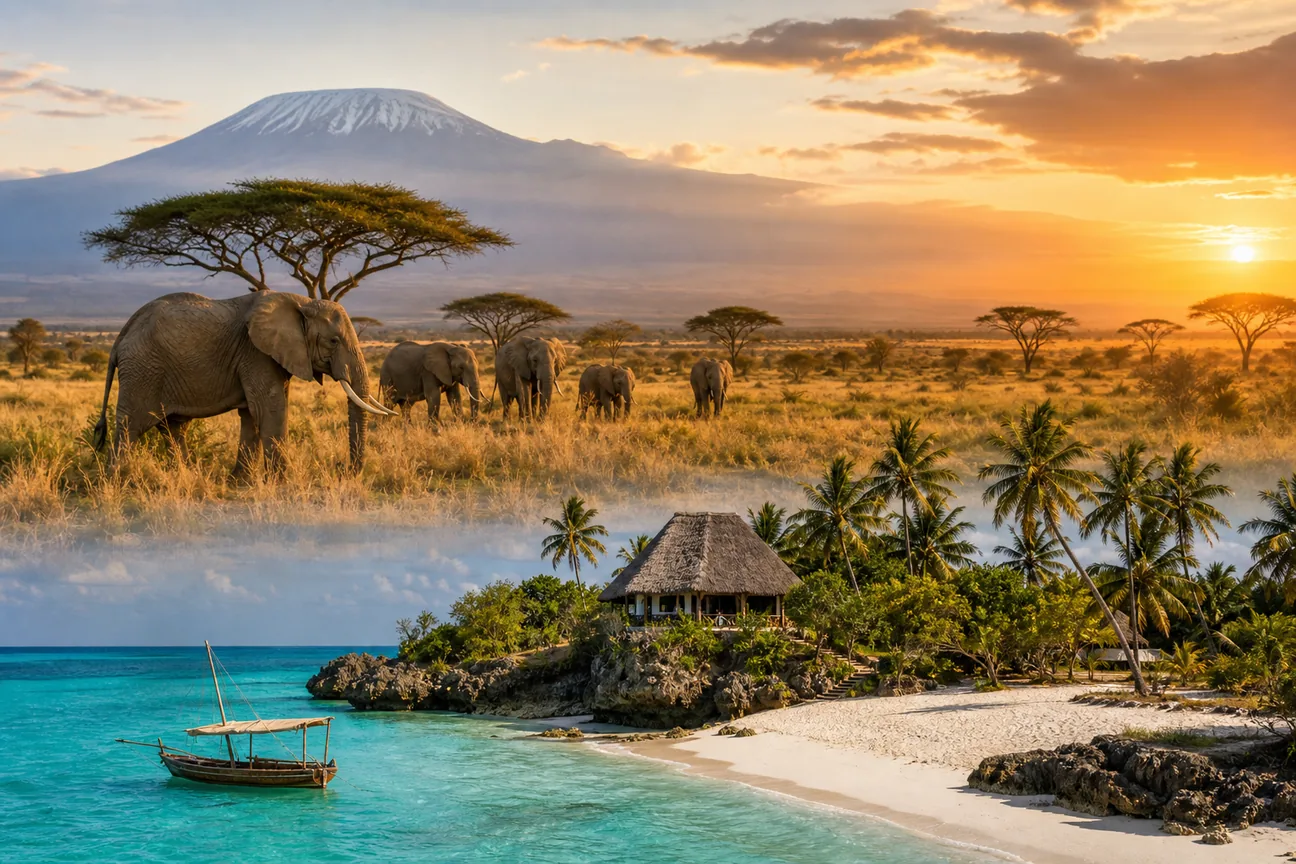
Best 2-Week Tanzania and Zanzibar Itinerary: 10 Routes
best 2-week tanzania and zanzibar itinerary: 10 routes
Best 2-Week Tanzania and Zanzibar Itinerary: 10 Routes
Compare 10 two‑week Tanzania‑Zanzibar itineraries, see day‑by‑day routes, costs, seasonal tips and pick the one that fits your budget and pace.
Planning a two‑week Tanzania and Zanzibar adventure can feel like a puzzle. Below are ten ready‑made routes, each with a quick profile, who it suits best, and a few hard‑won insights from the field. Pick the one that matches your travel style and start day‑one with confidence.
1. Safari‑TZ.com — locally operated safari and Zanzibar planning
Safari‑TZ.com is a Tanzanian‑owned operator that runs its own 4×4 fleet and guides out of Arusha.
Best for travelers who want a single point of contact from airport pick‑up to beach farewell.
Our team runs the Northern Circuit regularly, so we know the gate routines at Tarangire and the flight connections for the Zanzibar hop. Because we own the vehicles, we can adjust a game‑drive start time on the fly if a herd moves unexpectedly. The downside is that we focus on the classic parks; off‑the‑beaten‑path southern reserves need a separate operator.
When you book with us you get a private guide, all park fees, and a transparent line‑item cost sheet, no hidden surcharges.
We also share free planning guides, and we can adjust days or add a cultural walk in a Maasai village on request.
Ready to stop guessing and start exploring? Best Safari and Zanzibar Packages in 2026 gives a quick glance at what’s included.
2. Full Northern Circuit + Zanzibar — the broadest classic safari route
This itinerary packs Tarangire, Serengeti, and Ngorongoro into eight days, then flies to Zanzibar for five nights of beach rest.
Best for first‑time safari guests who want to see every iconic park without feeling rushed.
We start with a gentle two‑day soak in Arusha, then head to Tarangire where the dry‑season elephant herds often number 200+. The Serengeti leg positions you on the central plains during the Great Migration window (June‑Oct), giving a high chance of river crossings. A day on the crater rim ends the wildlife half with a strong chance of seeing most of the Big Five, thanks to the dense animal population on the crater floor.
Logistics are smooth because the internal flight from Arusha to Zanzibar is only 75 minutes and runs daily. The only hitch is the need for a short‑haul luggage bag on the plane, we advise a soft duffel to stay under the 20 kg limit.
Our guide notes that swapping the order (beach first) often leads to tired game drives, so we keep the jungle first and the sand last.
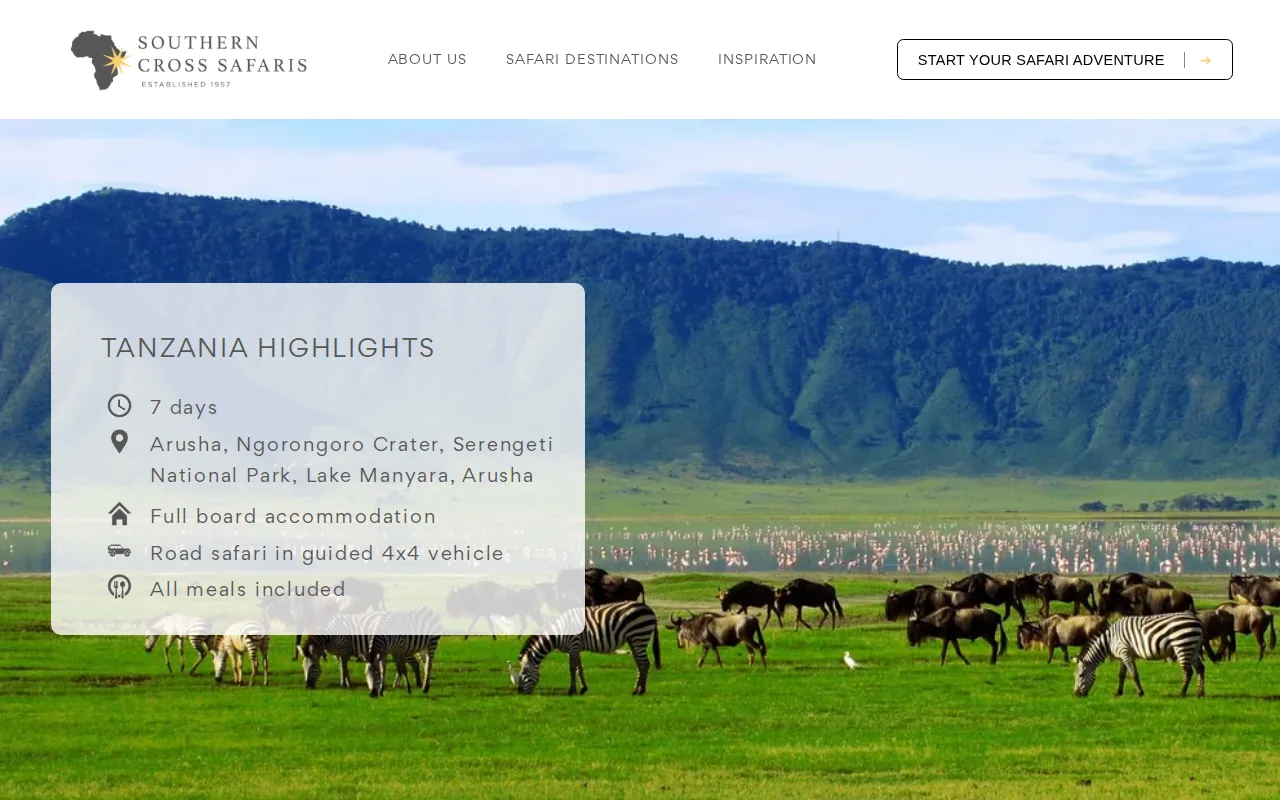
3. Tanzania Highlights — Tarangire, Serengeti, and Ngorongoro
A tight three‑park loop that trims travel time and focuses on the most photographed landscapes.
Best for travelers with only a week of safari before a quick Zanzibar finish.
Tarangire opens the trip with easy road conditions and massive elephant herds, making early morning drives rewarding. The Serengeti segment runs three nights on the central grasslands, a sweet spot for spotting lions lounging under acacia trees. Ngorongoro Crater provides a single‑day descent where the animal density rivals any park in Africa.
A minor limitation is that Lake Manyara is omitted, so you miss the iconic tree‑climbing lions.
Our guides often suggest an extra night in Serengeti if you travel in the calving season (Dec‑Feb) to catch newborn wildebeest.
4. Migration‑Focused Serengeti + Zanzibar — time the plains to the season
This route centers on the Great Migration, timing your arrival to the river‑crossing months of July‑Sept.
Best for wildlife photographers and anyone who wants to witness the dramatic Mara River crossings.
We fly into Arusha, spend a night there, then drive straight to Serengeti’s western corridor where the herds usually arrive in July. Early‑morning balloon flights add a bird’s‑eye view of the moving river of animals. After five intensive days of migration watching, we whisk you to Zanzibar for a relaxing beach stretch.
Because the migration’s timing shifts with rainfall, there is no guarantee of a crossing on any given day; flexibility in the schedule helps.
Our guides adjust the daily plan to stay close to where the herds are.
5. Lake Manyara, Ngorongoro, and Serengeti — add variety to the northern circuit
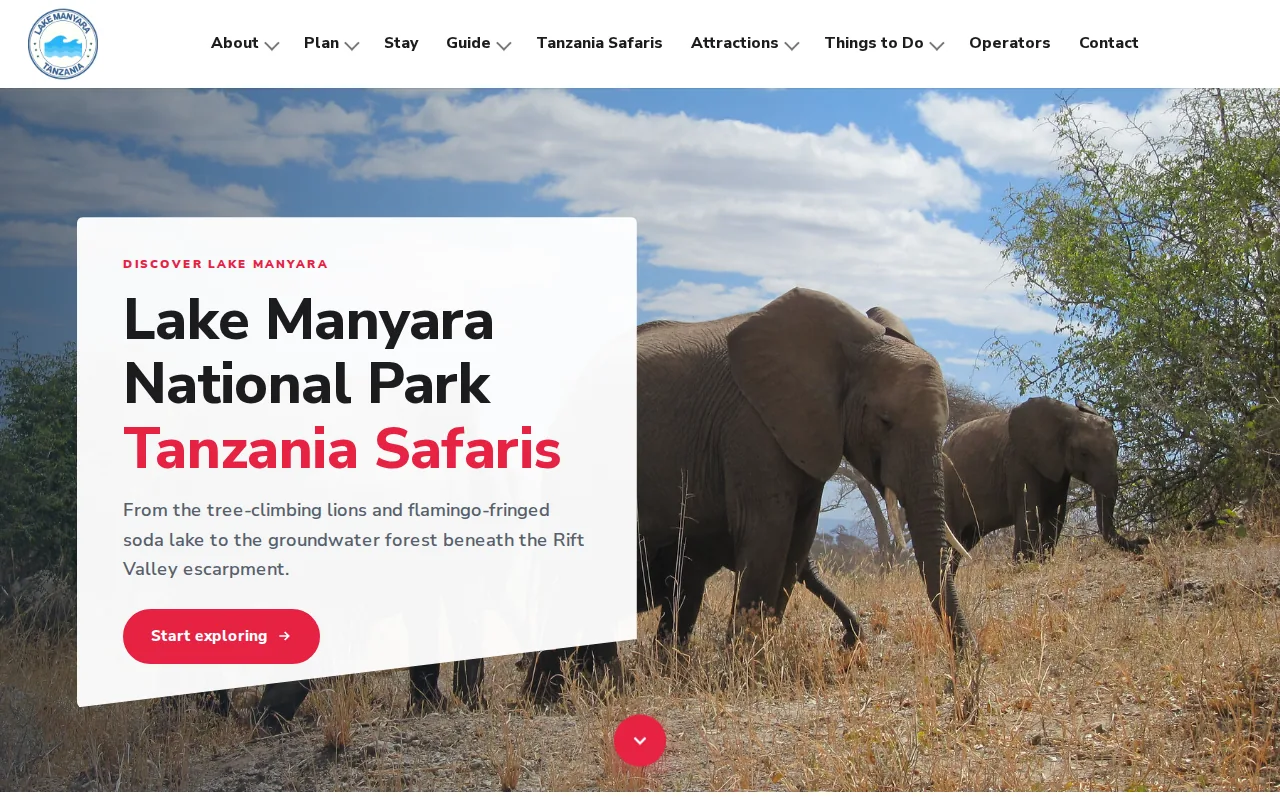
This itinerary swaps one Serengeti night for a Lake Manyara stop, giving you tree‑climbing lions and a flamingo spectacle.
Best for families and birdwatchers who enjoy shorter drives and diverse habitats.
Lake Manyara’s compact size means game drives last two to three hours, perfect for younger travelers. The park’s famous flamingo colonies gather from November to April, adding a splash of pink to the lake’s surface. After a day at Manyara we move to Ngorongoro’s crater floor, then finish with two nights on the Serengeti’s central plains.
The trade‑off is less time on the open Serengeti, so you may miss some of the larger predator encounters.
Our driver‑guide team can arrange a walking safari in Manyara’s forested area for an extra adventure.
6. Family‑Friendly Safari + Zanzibar — balance wildlife, rest, and beach time
A gentle pace that blends Tarangire’s easy terrain with a beach stay on Zanzibar’s north‑east coast.
Best for families with children over six who want a mix of wildlife and sand without long‑haul drives.
We start with a two‑day stay in Tarangire where the open savanna offers clear sightlines for kids. Private 4×4 vehicles let the guide pause for bathroom breaks or extra animal talks. After a short hop to Serengeti we spend a single night on the central plains before descending into Ngorongoro Crater for a half‑day game drive.
On Zanzibar we stay at a family‑run resort in Kendwa, where a shallow lagoon provides safe swimming for youngsters.
A caveat: some high‑end camps enforce a minimum age of eight, so be sure to check the accommodation policy early.
Our guides can pace game drives and add short wildlife talks to keep kids engaged.
7. Budget Camping Safari + Zanzibar — prioritize parks and control costs
This route uses public campsites and shared 4×4s to keep the price low while still hitting the three core parks.
Best for backpackers and travelers who don’t mind basic facilities.
We camp in designated areas of Tarangire, Serengeti, and Ngorongoro. Meals are simple Tanzanian dishes cooked over a campfire, and you share the vehicle with a small group of fellow adventurers. The Zanzibar leg stays on a budget beachfront hostel in Paje, giving you easy access to kite‑surfing lessons.
The downside is limited privacy and fewer amenities, no private bathroom, no air‑conditioning.
Despite the frugal setup, you still get a professional guide who knows where the wildlife concentrates each day.
Check out Best time for Tanzania safaris for American travelers for ideal travel windows.
8. Southern Tanzania Safari + Zanzibar — Nyerere and Ruaha beyond the northern circuit
A less‑crowded adventure that swaps the Serengeti for Nyerere (Selous) and Ruaha National Park.

Best for experienced travelers who crave solitude and want to see river‑based wildlife.
Nyerere’s vast floodplain hosts elephants, hippos, and crocodiles along the Rufiji River. Ruaha’s rugged hills hold packs of lions and rare antelopes. The drive between the two parks is long but offers stunning vistas of the Tanzanian highlands.
Because these parks are farther from Arusha, we include a short domestic flight to Dar es Salaam before heading south, adding a few extra hours to the itinerary.
The trade‑off is that you miss the classic Great Migration spectacle, but you gain intimate encounters with fewer vehicles on the road.
A night in a Ruaha bush camp adds a true wilderness feel.
9. Udzungwa, Mikumi, and Nyerere — combine forest hiking with wildlife
This route adds a forest‑trek element in the Udzungwa Mountains before heading to the plains of Mikumi and Nyerere.
Best for active travelers who enjoy hiking and want to see both mountain and savanna ecosystems.
Udzungwa’s mist‑covered trails lead to waterfalls and endemic bird species. After two days of trekking we drive to Mikumi, where the open grasslands host herds of zebras and occasional lion prides. The final leg in Nyerere offers boat safaris on the Rufiji River, letting you see hippos up close.
Because the mountain segment requires a good level of fitness, less‑active guests may find the daily altitude changes taxing.
Our guide team can arrange a light‑weight pack‑carry for hikers who prefer a minimal load.
10. Arusha, Tarangire, Serengeti, and Ngorongoro — a compact mainland sampler
A whirlwind four‑park tour that fits into ten days, leaving five nights for Zanzibar.
Best for travelers who want a taste of each iconic park without spending two weeks on the mainland.
We begin with a night in Arusha to adjust to the altitude, then head straight to Tarangire for an early elephant encounter. The Serengeti leg stays on the central plains, giving solid predator sightings. A half‑day descent into Ngorongoro Crater caps the wildlife portion with a strong chance of seeing much of the Big Five.
The only downside is the fast pace, you’ll spend several hours on the road each day, which can be tiring for some.
A sunrise drive on the last Serengeti day is a good time to catch predators at their most active.
Best time to visit: match safari conditions with Zanzibar weather
The dry season from June to October offers clear skies, low humidity, and excellent wildlife visibility on the mainland.
During these months Zanzibar also enjoys minimal rain, warm sea temperatures and calm seas perfect for snorkeling.
If you aim for the Great Migration river crossings, target July‑September; the herds move north and the Mara River swells, creating dramatic scenes.
Traveling in November‑December gives you the calving season in the southern Serengeti and still pleasant beach weather, though you may encounter occasional showers on the island.
We advise packing a light rain jacket for the occasional October downpour and reef‑safe sunscreen for Zanzibar.
Getting around, where to stay, and what a 2‑week trip costs
Domestic travel in Tanzania relies on a mix of private 4×4 transfers and short regional flights.
We arrange all ground transfers with our own fleet, so you never wait for a charter bus. The Arusha‑to‑Zanzibar hop is a 75‑minute flight that departs each morning, giving you a buffer if a game drive runs late.
Accommodation ranges from budget camps (tents with shared bathrooms) to mid‑range lodges with en‑suite rooms. Our all‑inclusive packages bundle park fees, guide salaries, and meals, so the final price reflects only your chosen comfort level.
Typical costs for a 14‑day private tour vary by season and comfort level, while budget shared‑vehicle trips can dip below US$2,000 per person. Luxury options are available, especially when you add private villas on Zanzibar.
Remember to add a 10 % tip for guides and a small daily gratuity for camp staff, we list these in the quote.
Explore How to Plan a 2‑Week Tanzania Trip Yourself for a step‑by‑step budgeting worksheet.
Entry, health, packing, and responsible travel essentials
Check current entry requirements before departure and complete any required applications in advance.
A yellow fever certificate is required if you arrive from, or transit through, a country with yellow fever risk. Routine vaccinations are advised, and malaria prevention is generally recommended; ask a travel clinic about your exact route.
Pack light, breathable clothing in neutral tones, bright colors attract tsetse flies. A single soft duffel works for the safari; add a separate beach bag for Zanzibar swimwear.
We ask guests to bring reef‑safe sunscreen and reusable water bottles to reduce plastic waste on the islands.
Travel insurance that covers medical evacuation is a smart safety net; many policies now include COVID‑19 coverage as well.
Read our Best National Parks in Tanzania guide for park‑specific wildlife notes.
Compare the 10 itinerary options at a glance
| Option | Core Parks | Beach Nights | Best For |
|---|---|---|---|
| Safari‑TZ.com | Tarangire, Serengeti, Ngorongoro | 5 | All‑in‑one private tour |
| Full Northern Circuit + Zanzibar | Tarangire, Serengeti, Ngorongoro | 5 | Classic first‑timer |
| Tanzania Highlights | Tarangire, Serengeti, Ngorongoro | 4 | Short‑week safari |
| Migration‑Focused | Serengeti only | 5 | Migration photographers |
| Lake Manyara Mix | Lake Manyara, Ngorongoro, Serengeti | 5 | Family & birders |
| Family‑Friendly | Tarangire, Serengeti, Ngorongoro | 5 | Kids & multigenerational |
| Budget Camping | Tarangire, Serengeti, Ngorongoro | 5 | Backpackers |
| Southern Tanzania | Nyerere, Ruaha | 5 | Off‑beat explorers |
| Udzungwa & Mikumi | Udzungwa, Mikumi, Nyerere | 5 | Active hikers |
| Compact Mainland Sampler | Tarangire, Serengeti, Ngorongoro | 5 | Time‑pressed travelers |
Pick the row that matches your travel style and budget.
FAQ
What is the ideal travel window for seeing the Great Migration?
The best window is July through September when the herds cross the Mara River in northern Serengeti; this period offers the highest concentration of predators and dramatic river crossings.
Do I need a visa to travel to Tanzania and Zanzibar?
Most visitors need a visa for Tanzania, and many apply online for an eVisa before arrival; Zanzibar uses the same visa as the mainland. Check the current rules for your nationality.
Can I combine a Kilimanjaro climb with a 2‑week safari?
You can, but you’ll need to add at least two extra days for acclimatization and the climb itself, which pushes the itinerary to about 16 days.
Are private guides available for families with young children?
Absolutely, our guides tailor the drive schedule, provide kid‑friendly commentary, and can arrange junior ranger activities at parks like Tarangire.
How much should I budget for a mid‑range 2‑week safari?
Mid-range private tour rates vary by itinerary and accommodation.
Is travel insurance required?
While not mandatory, we strongly recommend a policy that covers medical evacuation and trip interruption, especially for the remote southern parks.
Ready to lock in your adventure? See our safari and Zanzibar packages →
Start by requesting a personalized quote on our website; our team will fine‑tune the route to your dates and budget.