Best Time to Visit Katavi National Park – 2026 Guide
best time to visit katavi national park – 2026 guide
Best Time to Visit Katavi National Park – 2026 Guide
Find the optimal months for Katavi National Park wildlife, scenery and safari planning. Learn dry‑season peaks, green‑season birding and travel tips.
Katavi feels like a secret most travelers haven’t heard about , until now. If you want massive buffalo herds, lion pride drama and almost no other tourists, you need to know when the park truly comes alive.
We’ll break down the seasons, explain why July‑October is the wildlife hotspot, show what the green months offer, and help you match the timing to your safari style. Safari‑TZ, our Tanzanian‑owned operator, will be woven in as the guide who can make any month work.
The Best Overall Time: June to October’s Dry Season
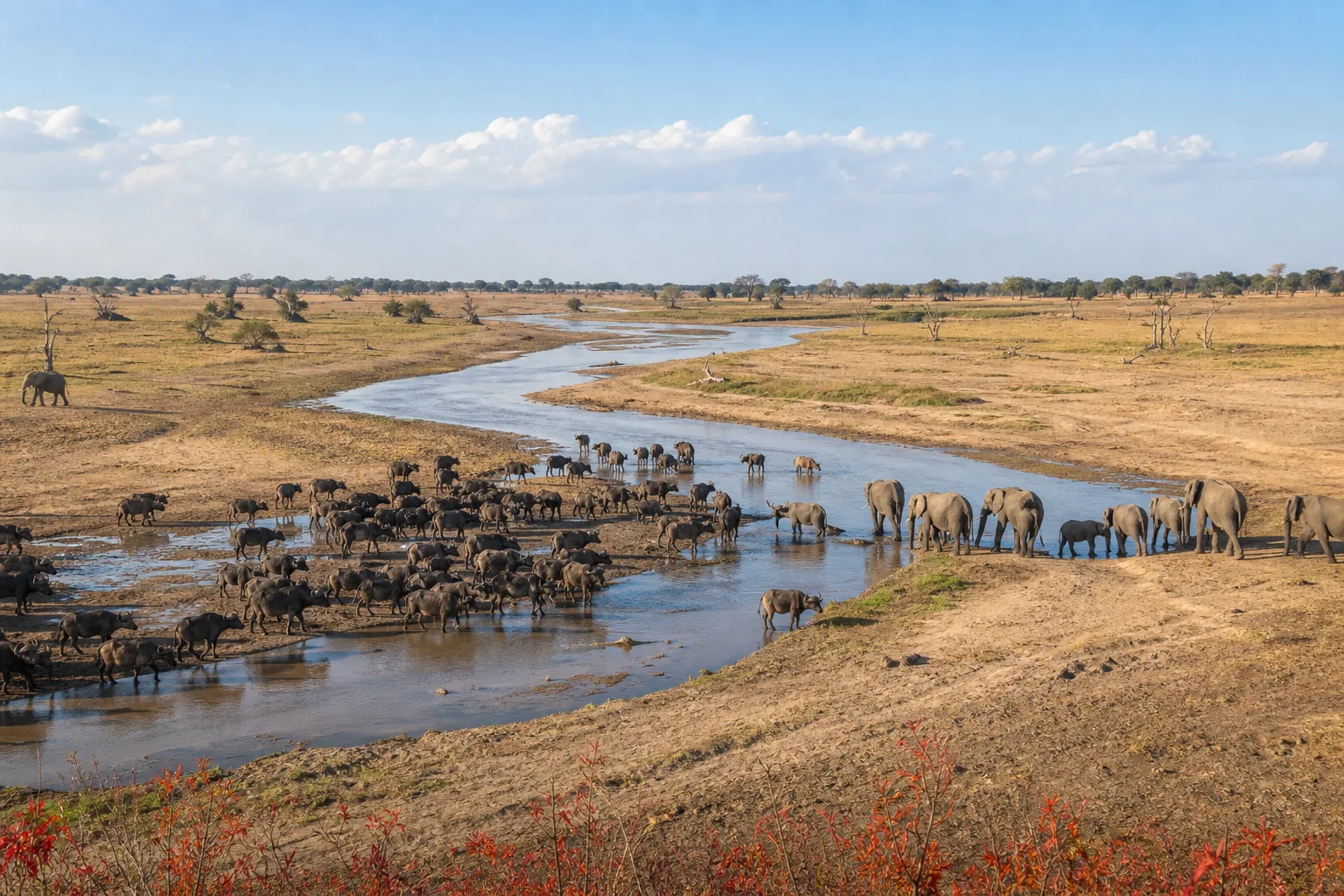
June kicks off the dry spell that turns Katavi into a wildlife magnet. As the rains end, the Katuma River shrinks and animals gather around the remaining water holes.
The park’s flagship activity is game viewing , both open‑vehicle drives and guided walking safaris. During these months you’ll see huge herds of buffalo, elephants, hippos and predators that come to drink and hunt around the shrinking pools. The river’s reduced flow makes the floodplain an open stage for drama.
Our team at Safari‑TZ runs its own fleet of 4x4s, so we can chase the action without crowding other vehicles. Because we own the fleet, we can adjust routes on the fly and keep you close to the action even when the park fills up a little.
One caveat: June‑October is the peak season, so park fees stay the same but camp availability can tighten. Book early if you want a private camp experience.
Why July to October Offers the Strongest Wildlife Viewing
July marks the moment the Katuma River turns into a series of deep pools. By August the water is scarce enough that hundreds of hippos cram together, and buffalo herds swell to thousands.
Below is a quick snapshot of wildlife visibility for the core months:
While crowds rise slightly, Katavi still sees fewer than 2,000 visitors a year, so you’ll rarely see another vehicle on the horizon.
Our guides keep an eye on the river’s ebb, moving the convoy to the next pool before the crowd builds. That flexibility is a perk only an operator that owns its vehicles can promise.
The Green Season: What to Expect from November to April
From November the rains return, turning the floodplain into a wetland mosaic. Water spreads across the park, so wildlife scatters into the woodlands.
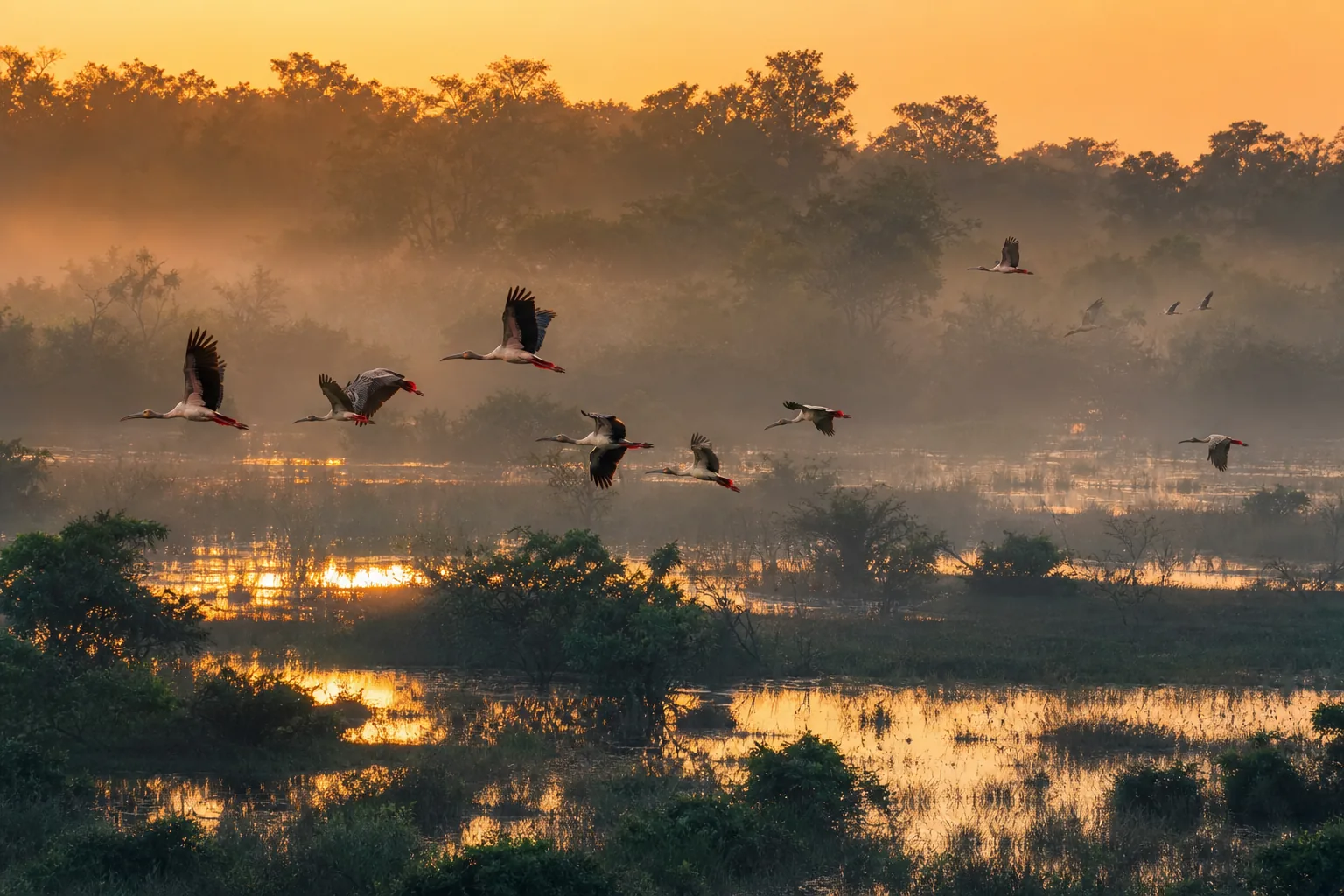
Game viewing becomes harder , animals are less concentrated, and the dense vegetation limits sight lines. However, birdwatchers rejoice. Over 450 species, including migratory storks and the shoebill, populate the wetlands (SafariBookings, 2026).
The climate is hot and humid, with temperatures around 32 °C (90 °F) in the day and 20 °C (68 °F) at night. Malaria risk rises, so prophylaxis is advised.
Many camps close during the wettest months, but those that stay open often offer lower rates. If you love birding, the green season gives you access to species you’ll miss in the dry months.
Our team can arrange a custom itinerary that focuses on birding walks, river canoe trips and visits to remote villages that are only reachable when the rivers swell.
Choose Your Travel Month by Safari Priority
Not every traveler wants the same thing. Below is a quick decision matrix to line up your priorities with the calendar.
If you value massive wildlife spectacles above all, aim for August‑October. If you prefer a quieter, bird‑rich experience, the green months are your window.
When you book with Safari‑TZ, we match the month to your goals and tweak the itinerary on the ground. Our driver‑guides know which camps stay open and where the best hidden waterholes lie.
How Safari Logistics and Your Travel Style Affect the Best Time
Reaching Katavi isn’t a quick drive. The nearest major airport is Arusha, and most groups fly into the park’s airstrip. Flights run twice weekly, so you must align your travel dates with the schedule.
Our operator runs its own charter service, which means you can land on a weekday when the airstrip is quieter. That extra flexibility can shave a day off the total travel time.
Travel style matters too. A luxury safari with full‑board camps prefers the dry season for comfort , roads are firmer, camps stay open and evenings are cooler. A backpacker willing to rough it can stretch into the shoulder months of May, when the rains are easing but camps are still operating.
Health considerations are real. The wet season brings more mosquitoes, so a malaria prophylaxis plan is essential. The dry season reduces that risk, but the dust can be harsh on lungs; a simple mask helps.
Because we own the 4x4 fleet, we can swap to a high‑clearance vehicle if the roads get muddy after a late‑season shower. That adaptability makes us a safer choice than a booking platform that only aggregates third‑party operators.
For more on picking the right operator, on how to choose a Tanzania safari operator. It explains why an on‑the‑ground operator beats a faceless marketplace.
FAQ
What month has the most wildlife sightings?
July to October offers the highest wildlife concentration because the Katuma River contracts and forces animals to gather around the few remaining pools.
Can I see hippos in the dry season?
Yes , hippos crowd into shrinking pools from August to October, creating dramatic battles for space that are unique to Katavi.
Is the green season good for birdwatching?
Absolutely. Over 450 bird species, including migratory storks and the shoebill, appear between November and April when the wetlands are full.
Do I need malaria medication?
Malaria risk is higher during the wet season, so prophylaxis is recommended if you travel between November and April.
How do I get to Katavi?
The easiest way is a charter flight from Arusha to the park’s airstrip; road travel can take 10‑16 hours on rough tracks.
Can I combine Katavi with other parks?
Many guests add Mahale Mountains or Ruaha to a Katavi itinerary, creating a multi‑park wilderness circuit.
Conclusion
For the classic big‑game spectacle, travel July‑October and let Safari‑TZ handle the logistics. If birding and lush landscapes call to you, aim for November‑April and we’ll tailor a quieter, nature‑focused itinerary. Ready to lock in dates? Request a quote today and let our guides turn the calendar into unforgettable wildlife moments.
Ready to put this into practice? Safari TZ was built for exactly this.