Flamingos at Lake Natron: An Explainer Guide
flamingos at lake natron: an explainer guide
Flamingos at Lake Natron: An Explainer Guide
Learn why Lake Natron draws millions of flamingos, the best viewing months, and how Safari TZ makes the experience unforgettable.
Lake Natron dazzles visitors with pink‑toned waters and endless flocks of flamingos. If you’re curious about why these birds flock here, when you’ll see the biggest gatherings, and which tour gives you the smoothest experience, we’ve got you covered.
What Makes Lake Natron a Flamingo Habitat?
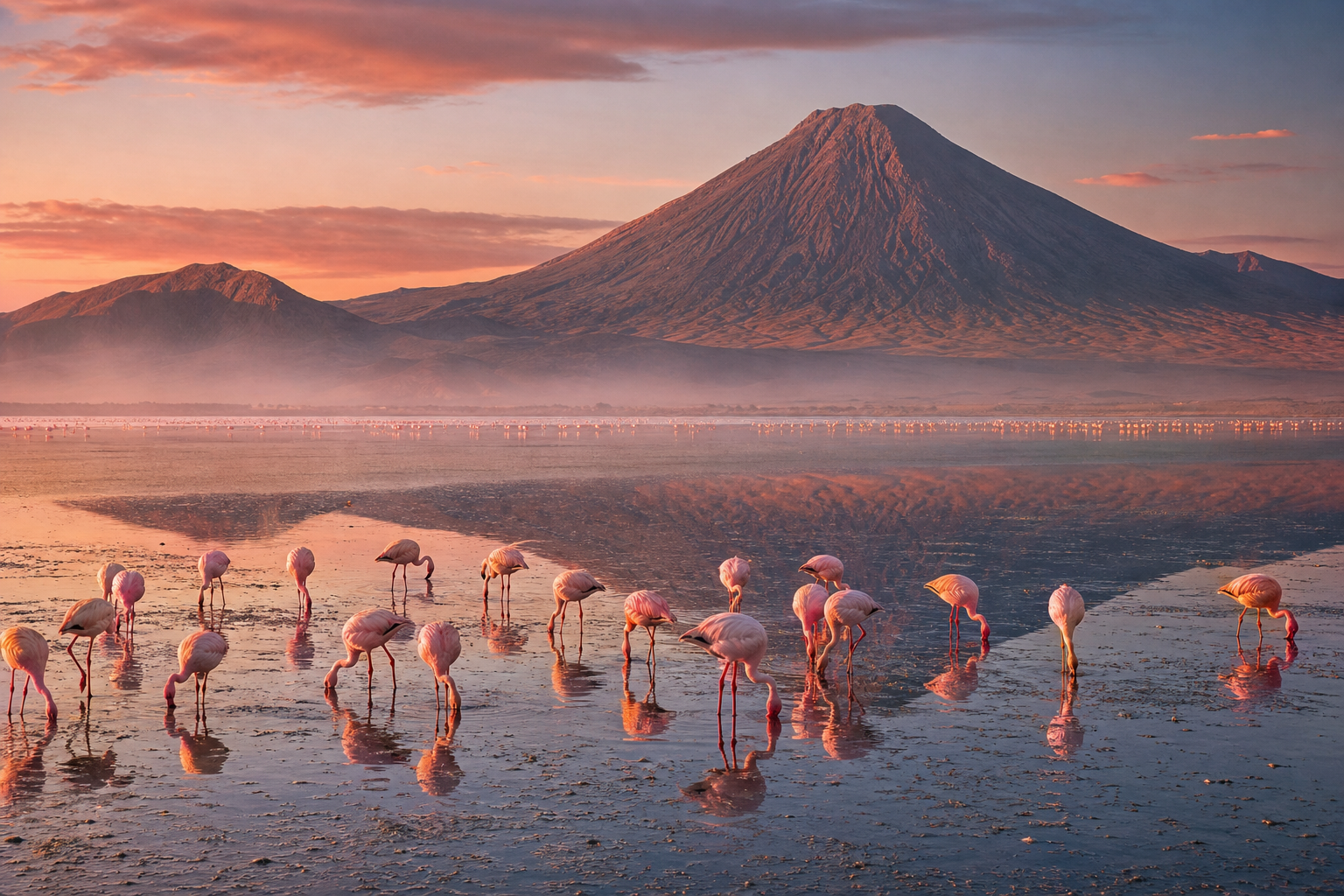
Lake Natron sits in a volcanic depression about 610 m above sea level in northern Tanzania. The lake’s water comes from the Ewaso Ng’iro River and mineral‑rich hot springs that leak from the active carbonatite volcano Ol Doinyo Lengai. These springs pour sodium and calcium carbonate into the lake, creating a super‑saturated soda that can reach pH 10.5 and surface temperatures of up to 60 °C. Wikipedia explains that such extreme chemistry makes the water hostile to most life, yet it also fuels a unique food web. Algae and cyanobacteria thrive in the alkaline broth, providing the pink‑pigmented diet that lesser flamingos need.
The birds avoid the most caustic sections and build nests on shallow mudflats that appear when water levels drop. Those mudflats act like natural platforms, keeping eggs safe from predators that can’t survive the lake’s chemistry. Because the lake holds the world’s largest single breeding colony of lesser flamingos, about three‑quarters of the global population, it is a critical conservation site. Lake Natron is listed as a wetland of international importance under the Ramsar Convention.
Flamingos also use the lake’s freshwater inflow zones for drinking, where river water dilutes the soda enough for safe consumption. The combination of abundant food, safe nesting grounds, and lack of predators makes the lake a perfect breeding haven.
When to See the Flamingo Spectacle – Best Months & Seasons
The flamingo breeding calendar hinges on water level and food availability. When the lake’s water recedes, mudflats emerge between late June and early July, giving the birds places to build their cone‑shaped nests.
Numbers swell dramatically in August, peak in September, and remain high through October. During these months the colony can stretch for kilometres, turning the lake into a sea of pink. Chicks hatch in October and stay with their parents for several months, so you’ll still see fluffy grey fledglings into the early wet season.
Outside the core breeding window, from November to April, the lake still hosts a resident flock that feeds on algae. The landscape changes with the rains: waterfalls swell, green patches appear, and fewer tourists mean you can enjoy the scenery in near‑silence.
Travelers who prefer crowds‑free photography often aim for the shoulder months of late May or early November. The water is higher, so fewer nests are visible, but the colors stay vivid and the surrounding plains burst with wildlife.
How Safari TZ Enhances Your Flamingo Experience
Safari TZ runs its own fleet of 4x4 Land Cruisers and employs local driver‑guides who have spent years handling the Natron region. Because we own the vehicles and staff, we can adjust departure times on the fly, avoiding the long‑wait queues that larger booking platforms often force.
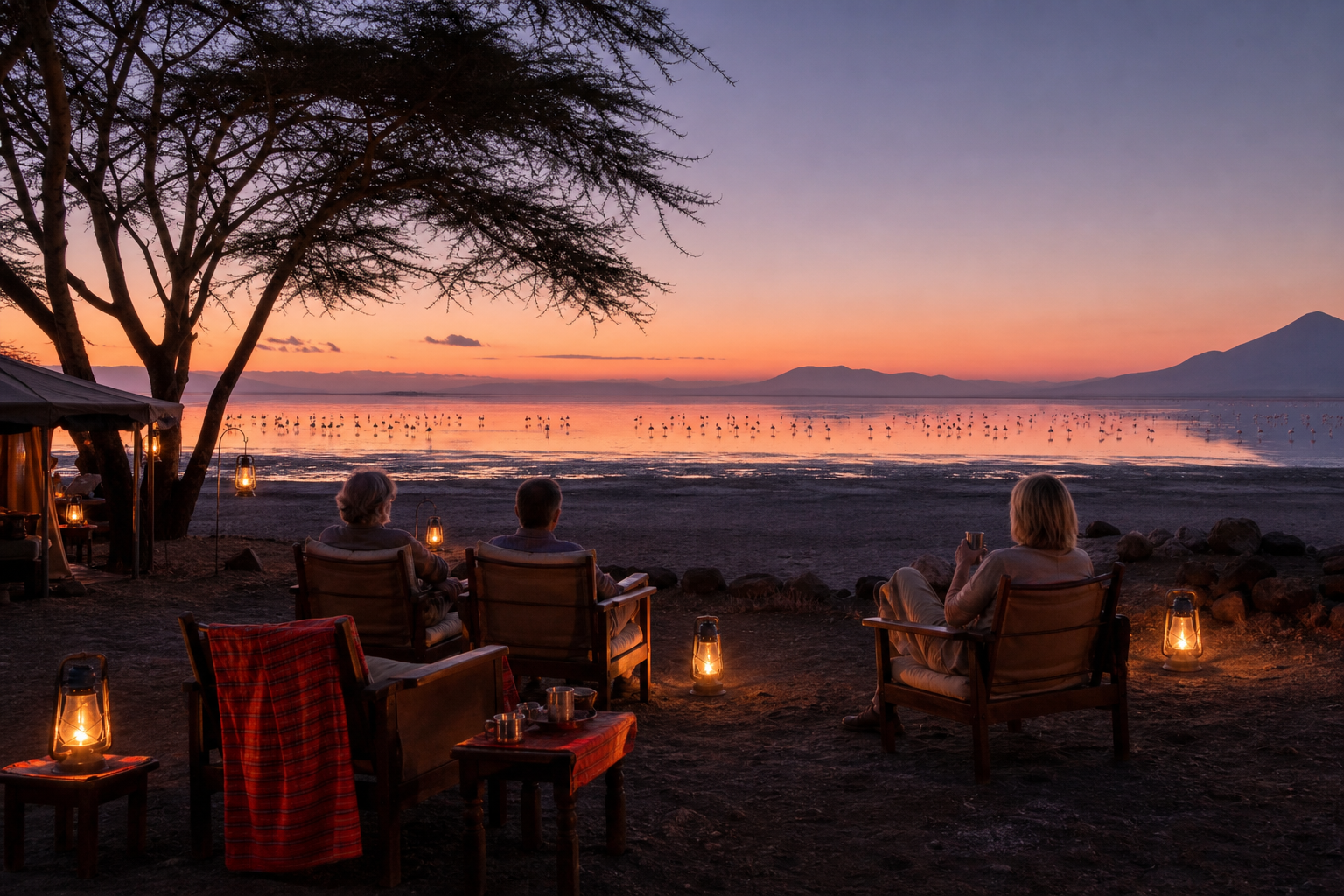
Our typical itinerary starts with a five‑hour drive from Kilimanjaro Airport, a picnic lunch on the road, and arrival at a camp that sits right on the lake’s edge. Evening sundowners give you a front‑row seat to the sunset over Ol Doinyo Lengai while flamingos settle on the shallow flats.
Morning activities include guided flamingo walks, bird‑watching excursions to nearby marshes, and optional hikes to the Ngare Sero waterfalls. For the adventurous, we arrange night climbs of Ol Doinyo Lengai, letting you watch the sunrise from the world’s only carbonatite volcano.
We also weave cultural visits into the program. A stop at a Maasai village lets you meet local families, see beadwork, and learn about pastoral life that has co‑existed with the lake for generations.
For more ideas on what to do in the Arusha region, check out our Things to Do in Arusha, Tanzania , Safari‑TZ guide.
Choosing the Right Lake Natron Tour – Options Compared
When you compare tours, look at four key factors: guide expertise, vehicle type, inclusions, and flexibility. Below is a quick snapshot of three popular operators.
Safari TZ stands out because we combine group and private options without hidden mark‑ups, and our guides know exactly when the flamingo colonies are at their peak.
FAQ
When is the absolute peak time to see flamingos at Lake Natron?
The biggest flocks arrive in late August and stay through September. Those two months give you the densest bird concentration and the most dramatic colour contrast.
Can I visit Lake Natron on a private tour?
Yes. Private tours dominate the market, and Safari TZ offers both private and small‑group packages that let you set your own schedule.
Do I need special gear for the lake’s alkaline water?
Only basic protection. Bring waterproof shoes for the mudflats, sunscreen, and a hat. The water itself is safe to wade in where fresh‑water inflows exist.
Is it possible to combine a Lake Natron trip with a Kilimanjaro climb?
Absolutely. Many itineraries start with a Kilimanjaro flight, then head south to Natron for a few days before returning to Arusha for the mountain trek.
What wildlife besides flamingos might I see?
While flamingos dominate, you’ll also spot greater flamingos, herons, egrets, ospreys, and occasional mammals like zebras and elephants that visit the lake’s freshwater zones.
Conclusion
If you want a smooth, locally‑run flamingo adventure, Safari TZ is the clear choice. Visit our site to request a custom quote and start planning your Lake Natron safari today.