Olduvai Gorge Explained: Evolution, Fossils & Visiting Tips
olduvai gorge explained: evolution, fossils & visiting tips
Olduvai Gorge Explained: Evolution, Fossils & Visiting Tips
Explore Olduvai Gorge – its groundbreaking fossils, the Leakey legacy, taphonomy, and practical visitor info for an unforgettable Tanzanian adventure.
Step into a canyon where every rock layer is a page of human history. Olduvai Gorge holds the story of our earliest ancestors, and you can walk that story in a single day. Below we break down where it sits, why it matters, what you’ll see, how the bones survived, and how to visit without a hitch.
Location & Access: Getting to Olduvai Gorge
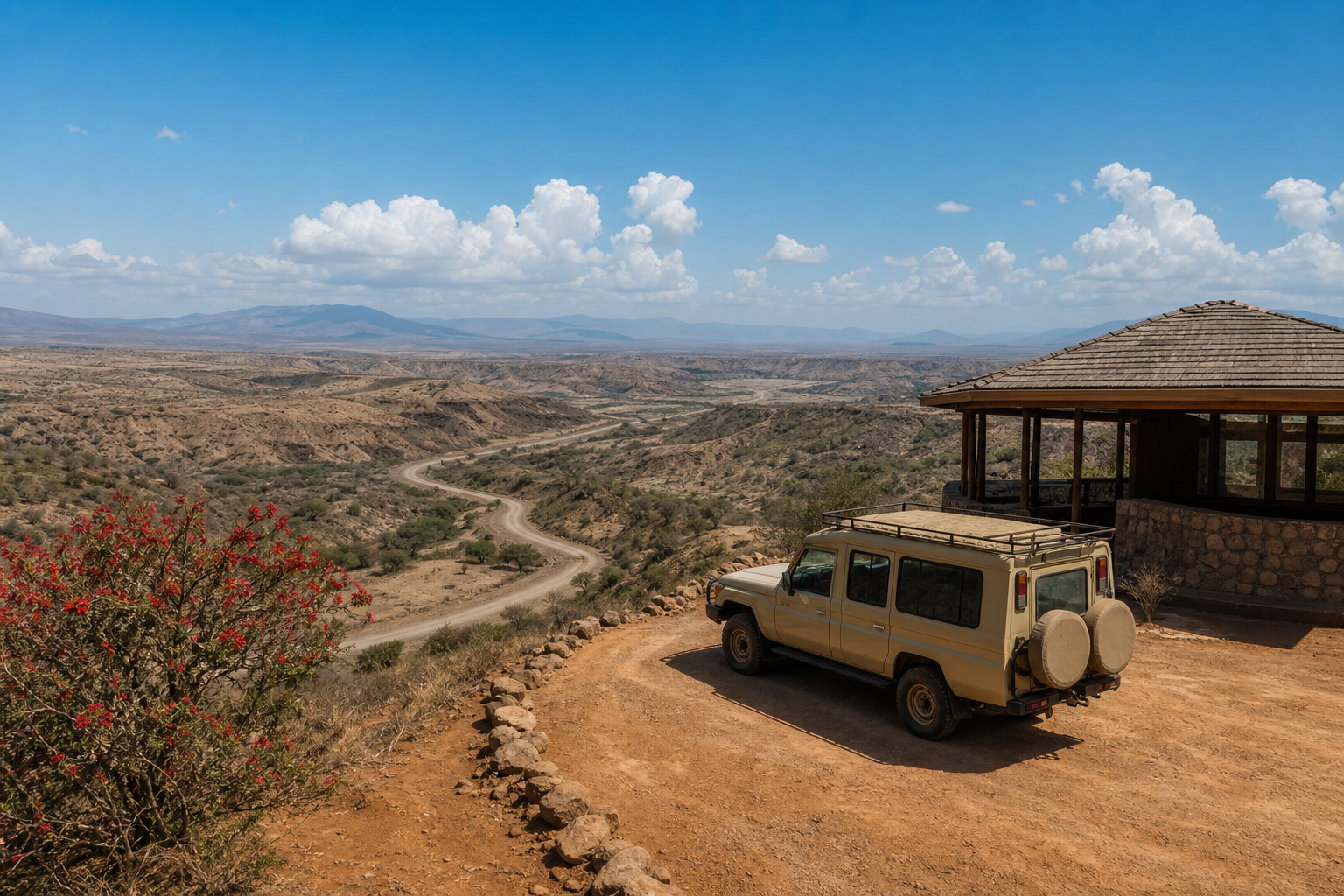
Olduvai Gorge sits inside the Ngorongoro Conservation Area, roughly 45 km south of the Ngorongoro Crater and 115 km north of Serengeti National Park. The main tarmac‑and‑dirt road that links the crater to the Serengeti runs right past the site, so a 4×4 vehicle can pull up at the turn‑off and drop you off at the museum.
Most travelers join the stop as part of a broader northern‑Tanzania safari. From Arusha, our guides at Safari TZ drive you along the same road, timing the arrival for mid‑morning when the light is best for photos and the road is dry.
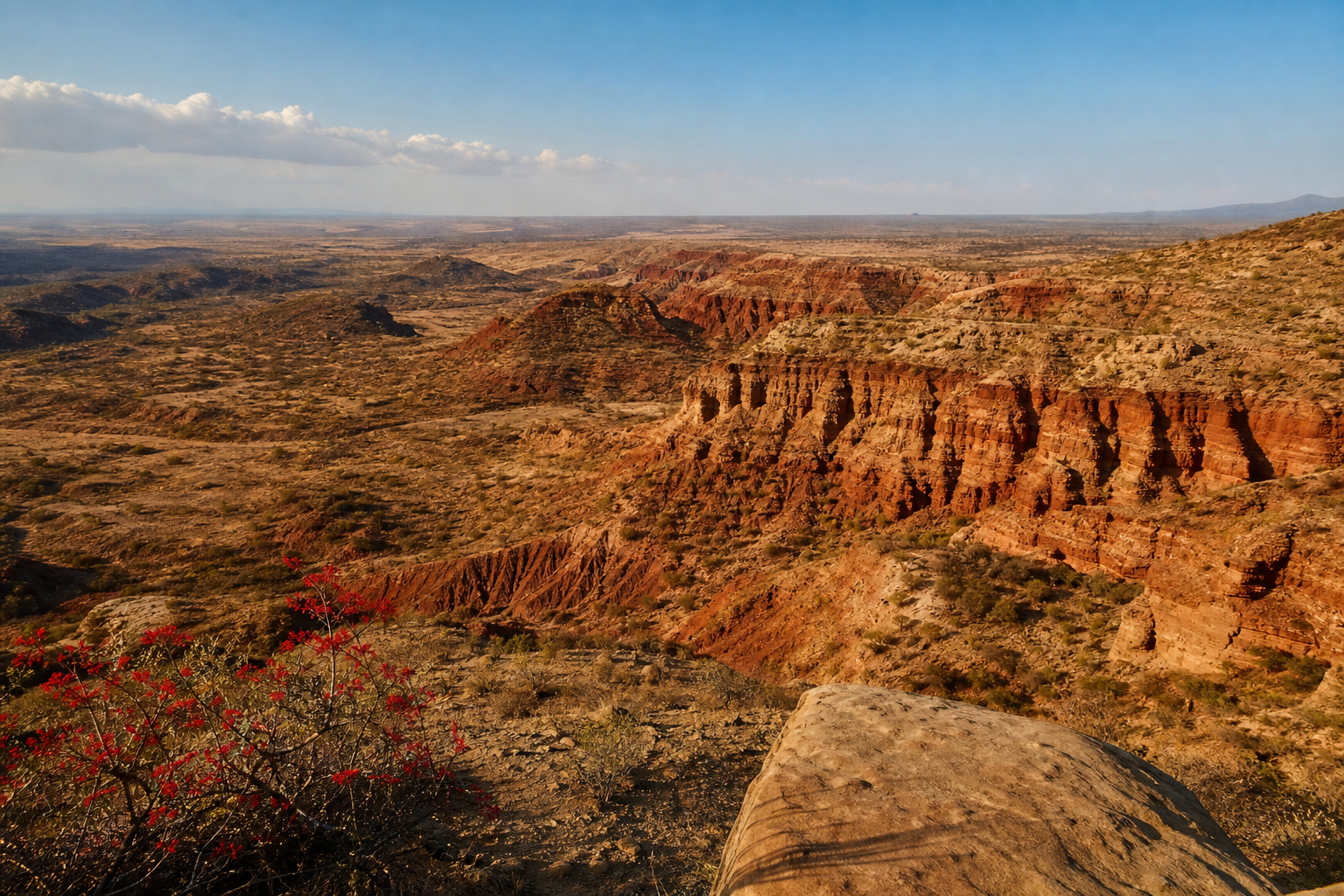
The gorge itself stretches about 30 km in length and drops nearly 90 m deep. You’ll see the layered cliffs from the viewpoint, then walk down a short trail to the museum perched on the rim.
Why Olduvai Gorge Matters: Cradle of Humankind and Human Evolution
Olduvai Gorge earned the nickname “cradle of humankind” because its sedimentary record captures a continuous 2‑million‑year span of hominin activity. Fossils here proved that Africa, not Asia, birthed our species, reshaping every textbook on evolution.
According to Wikipedia, the site contains over 60 hominin fossils and the longest sequence of stone‑tool development known anywhere on Earth. That depth lets scientists match tools to specific species and watch behavioral change over centuries.
Among the finds are the strong Paranthropus boisei skull (nicknamed “Nutcracker Man”) and the first clear Homo habilis bones, each linked to distinct tool assemblages. Those tools, ranging from simple stone flakes and choppers to larger bifacial implements, show the leap from opportunistic scavenging to purposeful hunting.
Visiting the gorge lets you see the same layers that scientists have parsed for millennia. It’s a chance to stand where early humans once knapped stone and to watch the earth expose its own archive.
Key Fossil Discoveries and the Leakey Legacy
The Leakey family turned Olduvai into a household name in paleoanthropology. Louis Leakey began digging in the 1930s, but it was Mary Leakey’s 1959 find of a strong skull fragment, later identified as Paranthropus boisei, that put the site on the map.
That skull, catalogued as OH 5, still sits in the museum as a cast. It proved early hominins were already adapting to tough, abrasive diets, which explains the massive molars.
Just a few years later, their son Jonathan uncovered a smaller skull (OH 7) that became the type specimen for Homo habilis, the first member of our own genus. The tools found with OH 7 are simple stone tools, marking the dawn of deliberate stone‑working.
In 1971, researchers published a direct link between a left femur of Homo erectus and stone‑tool evidence from Bed IV of the gorge. The paper, Nature’s report on the Homo erectus femur, gave the first solid association of a defined tool set with a later hominin species.
These breakthroughs shifted the scientific consensus: early humans were not a single line but a diverse community of species, each experimenting with tools, diet, and habitat.
Our team at Safari TZ can arrange a private guide who’s trained in Leakey history, so you’ll hear the anecdotes that textbooks omit.
Taphonomy and the Shifting Sands: How Fossils Were Preserved
Fossil preservation at Olduvai hinges on a mix of volcanic ash, rapid burial, and the gorge’s unique water flow. When a carnivore tore a carcass, bits of bone often fell into ash layers that later hardened into tuff, sealing the fragments for millions of years.
Researchers have studied the magnetic ash dunes, known locally as the “Shifting Sands”, that move roughly ten metres each year. The fine, iron‑rich particles cling together, forming crescent‑shaped dunes that can cover or uncover bones.
These dunes act like a natural conveyor belt, occasionally exposing new fossils while protecting older ones from erosion. The constant re‑burial also means that many bones show bite marks from ancient predators, offering clues about the food web.
Microscopic analysis of the bone surfaces reveals cut marks indicative of stone‑tool use, confirming that early hominins not only scavenged but also actively butchered prey.
Visitor Practicalities: Fees, Guided Tours, Facilities & Best Times
Entry to the Olduvai Museum costs USD 35.40 per adult and USD 11.80 for children aged 5‑15. That fee is separate from the Ngorongoro Conservation Area charge, which adds about USD 71 per adult.
All visits require an official guide pre‑arranged through a licensed operator. You can’t simply walk onto the excavation sites; the guide ensures you stay safe and respects ongoing research.
A typical stop lasts 1.5‑2 hours: museum tour, viewpoint walk, and optional descent into the gorge floor for a short look at active dig pits. Enthusiasts who want more time often spend 2‑3 hours exploring the surrounding trails.
The gorge is open year‑round, but the dry season (June‑October) offers the best road conditions and the highest chance of meeting field teams on site. Mid‑morning arrivals let you avoid the midday heat while still catching the soft light for photos.
Bring sun protection, plenty of water, and sturdy shoes. Our Safari TZ guides will remind you to ask questions, there’s a lot to learn from the on‑site archaeologists.
FAQ
What is the entry fee for Olduvai Gorge?
Adult visitors pay USD 35.40 for museum entry, while children 5‑15 pay USD 11.80; a separate Ngorongoro Conservation Area fee applies.
Do I need a guide to visit the gorge?
Yes, an official guide must be booked in advance; the site does not allow unguided entry to the excavation areas.
How long should I plan to spend at Olduvai?
A standard visit takes 1.5‑2 hours for the museum and viewpoint; if you add a guided descent, budget up to 3 hours.
Can I see active digs?
During the dry season research teams are often on site, and a guide can arrange a brief look at active excavation zones.
Is Olduvai Gorge open all year?
Yes, the gorge is accessible year‑round, but road conditions are best in the dry months June through October.
How do I book a visit?
Contact a licensed operator such as Safari TZ, who will handle the guide booking, fees, and transport as part of your safari itinerary.
Ready to walk the path of our ancestors? Book a custom Tanzanian safari with Safari TZ and let us weave Olduvai Gorge into your adventure. Explore more things to do in Arusha and start planning today.