Best Safari Destinations in Africa: 10 Parks
best safari destinations in africa: 10 parks
Best Safari Destinations in Africa: 10 Parks
Compare the best safari destinations in Africa by wildlife, season, scenery, trip style, and cost, from Tanzania’s Serengeti to Botswana’s Okavango Delta.
Africa’s safaris can mean open plains, a canoe sliding through reeds, or a slow trek through rainforest. The best choice depends on the wildlife you hope to see, when you can travel, and how much time you have. Here are 10 standout destinations, with help from our first-time safari comparison if you’re still weighing regions.
1. Serengeti National Park, Tanzania: Big Five wildlife and the Great Migration
The Serengeti is a strong all-round pick for open-country game viewing. It suits travelers who want classic savanna scenery and a chance to follow the Great Migration, though the herds move across a vast ecosystem rather than staying in one place.
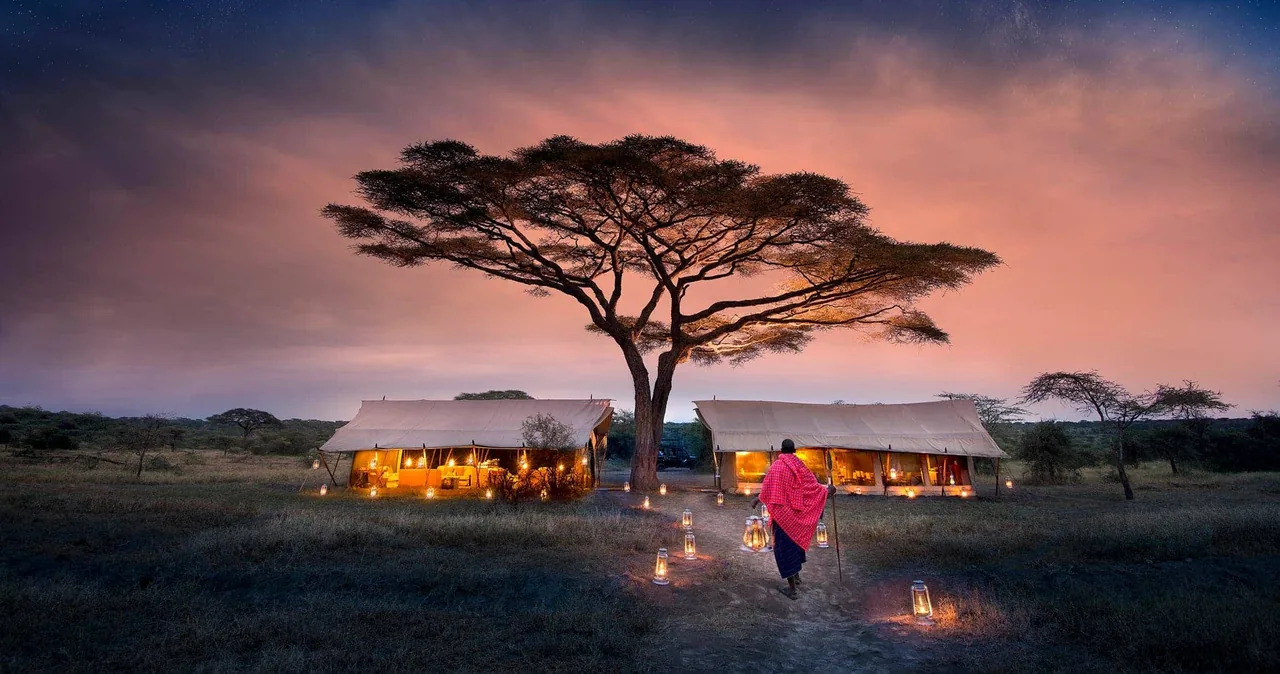
The park is known for the Big Five and the annual migration of wildebeest and other grazing animals. The migration’s location changes through the year. In the southern Serengeti, the herds gather to graze and give birth; later, many move north toward Kenya. A river-crossing sighting can be thrilling, but it isn’t something any guide can promise on a set date. The Serengeti National Park reference gives an overview of the park and its protected ecosystem.
Timing matters. The dry months from June through October are a widely used window for safari travel, but the migration’s position and local rain can change the feel of a trip. Travelers who care most about the herds should plan around their likely route, not a single famous crossing. Those who want a wider wildlife trip can make the Serengeti one part of a northern Tanzania circuit.
Our team at Safari-TZ.com is based in Arusha and runs its own trips with our driver-guides and 4x4 fleet. That lets us shape routes around the season and your available days, rather than sell a fixed departure that may not suit your dates. See our June and July Tanzania safari notes for seasonal route ideas.
Allow room in your itinerary for travel between areas. The Serengeti is vast, so a short stay may mean choosing one region instead of trying to cover the whole park.
2. Ngorongoro Conservation Area, Tanzania: A crater and concentrated wildlife
Ngorongoro is a compact, dramatic choice for travelers who want striking scenery alongside strong wildlife viewing. The crater floor can concentrate sightings in a relatively small area, but it can also feel busy during popular travel periods.
Lions, elephants, hippos, and black rhinos are among the wildlife highlights listed for the area. Its steep crater walls frame a very different view from the Serengeti’s open plains. Game drives are the main draw, while hikes and visits to nearby Maasai communities can add variety to a northern Tanzania itinerary.
The crater’s smaller footprint makes it easier to understand why many travelers pair it with the Serengeti. The trade-off is that time on the crater floor is more limited than a full day in a large park. Ask how the visit fits with your wider route, especially if you’re traveling during a busy season.
Wet-season travel may bring greener scenery, fewer visitors, and lower rates at some stays, but conditions can change. For travelers with fixed dates, we recommend confirming the route and lodging before building the rest of the trip around one day in the crater.
3. Tarangire National Park, Tanzania: Elephants and seasonal scenery
Tarangire suits travelers who want elephants and a quieter-feeling park experience alongside the better-known stops in northern Tanzania. It can work well as a first or last game-drive stop, though wildlife viewing changes with the season.
Elephants are the park’s signature draw. The landscape also gives a different feel from the Serengeti’s broad grasslands, with wooded areas and seasonal scenery. During drier periods, wildlife can gather near available water, while greener months can bring a softer look to the land. Don’t assume that every visit will deliver the same density of animals or the same views.
Tarangire can be a good choice for travelers who want to break up a longer northern circuit. It also gives photographers varied backdrops, especially when the light falls across the park’s trees and open areas. Early and late game drives tend to give softer light, though your guide will make the final call based on conditions and park rules.
Price depends on more than the park itself. The trip length, season, vehicle use, lodging level, and whether the safari is private or shared all affect the quote. Published daily figures for African safaris are sparse and often hard to compare. Treat any single number as a starting point, not a full-trip price.
If you have a tight schedule, ask whether Tarangire adds a new experience to your route or simply adds driving time. That one question can help you decide whether to include it.
4. Ruaha National Park, Tanzania: Remote-feeling wilderness and predators
Ruaha is a good fit for travelers who value a quieter, more remote-feeling safari and want to focus on elephants and predators. It is less suited to a quick stop on a northern Tanzania trip because reaching it requires a different route plan.
The park is known for elephants and predators, with expansive scenery that feels distinct from Tanzania’s northern circuit. The reward is a sense of space and a slower pace. The trade-off is that the trip may need extra time for travel, and you’ll want to check which camps operate on your dates before you commit.
Ruaha can suit returning safari travelers who have already seen the Serengeti and Ngorongoro. It can also work for a first trip when the main goal is a less crowded feel rather than the most famous migration scenes. Let your guide know what you hope to see. A wildlife-focused route and a landscape-focused route won’t always use time in the same way.
Walking safaris can bring attention to tracks, plants, and smaller signs of life that are easy to miss from a vehicle. They’re not a replacement for game drives, but they give the day a different rhythm. Our Tanzania walking safari overview explains where an on-foot outing may fit into a trip.
Choose Ruaha when the sense of wilderness matters as much as checking off a list of famous animals. If your time is limited, a northern circuit is usually easier to combine.
5. Masai Mara National Reserve, Kenya: Big cats and migration season
The Masai Mara is a strong choice for travelers who want open savanna and excellent chances of seeing big cats. The Great Migration adds a seasonal draw, but the reserve is worthwhile outside migration months too.
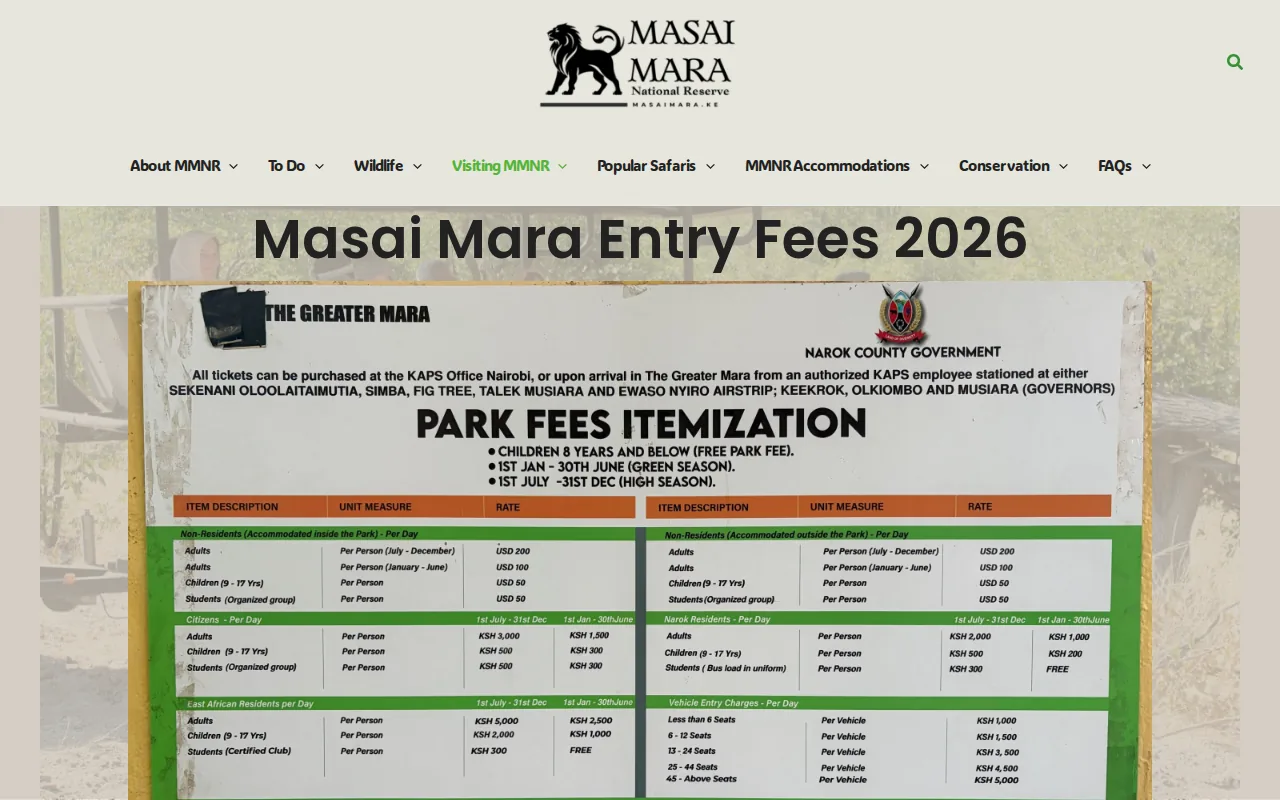
Lions, cheetahs, and leopards are key wildlife draws, and wildebeest move through the wider Mara-Serengeti ecosystem. River crossings are often associated with the period from August to mid-October, but exact timing shifts. A crossing is never guaranteed, even when you travel in the right season.
Community conservancies around the reserve can offer a different way to explore. Depending on the area and trip, activities may include guided walks or night drives, which aren’t generally part of a standard daytime game drive. Staying outside the busiest areas can also help reduce time spent among other vehicles. Ask what access is included before you book.
The Mara works well for a Kenya-focused safari, or as a longer cross-border trip with the Serengeti. Those routes need careful planning because the animals move across the border without regard for a traveler’s schedule. Our Serengeti and Masai Mara comparison can help you weigh the two.
Travelers who want fewer crowds may prefer to look beyond migration season. Green landscapes and a different feel can make other months appealing, but rain and local conditions still matter. Pick dates for the full trip, not just a hoped-for crossing.
6. Okavango Delta, Botswana: Water-based safaris and conservation-led stays
The Okavango Delta is for travelers who want water to shape the safari. A mokoro, a traditional dugout canoe, can take visitors quietly along narrow waterways when water levels and local conditions allow.
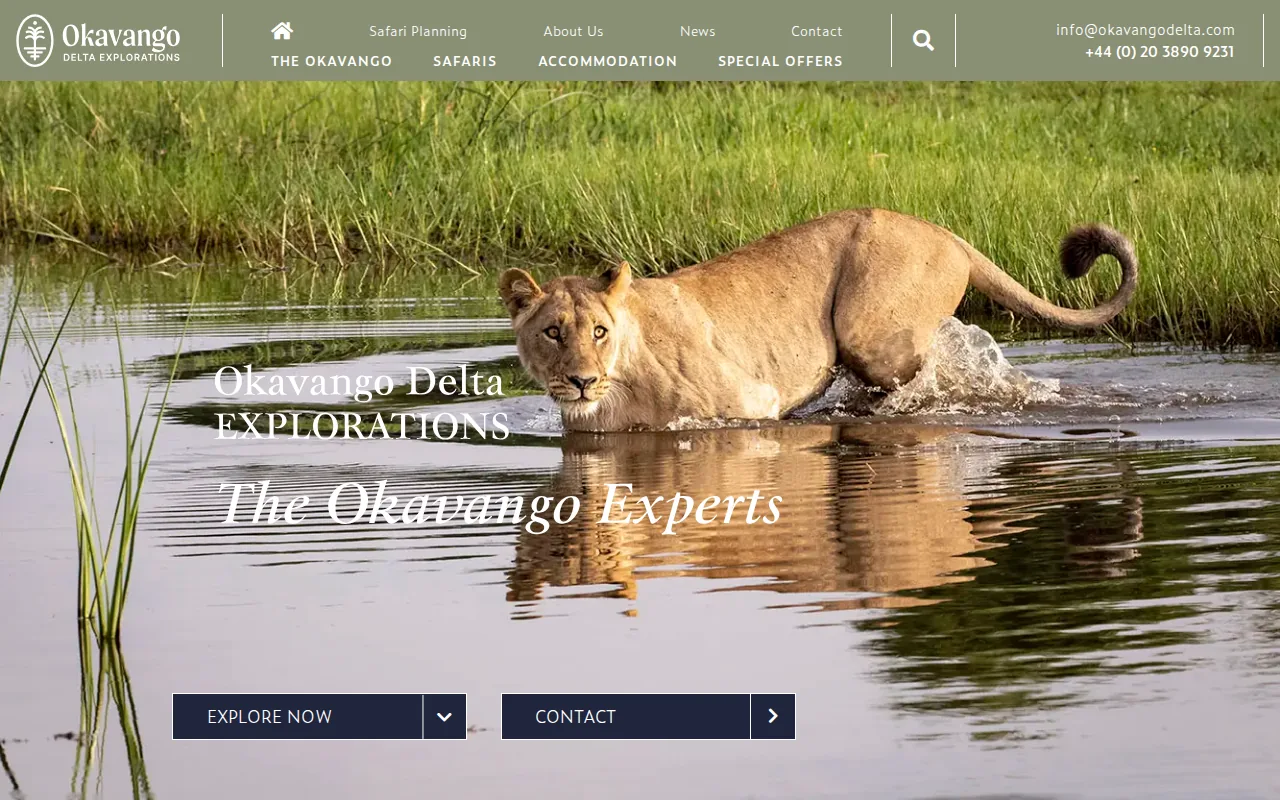
The Delta’s flood cycle changes the experience. Floodwaters arrive from neighboring Angola, and the waterways can be explored by mokoro during the high-water period. Wildlife viewing may include elephants, hippos, and predators, while birdlife draws travelers with a special interest in birds. The exact mix depends on where you stay and what the water is doing.
Water activities give this destination a different pace from a vehicle-led safari. A canoe trip is quiet and close to the water, while a game drive covers ground more quickly. Camps vary in style and price, and some stays place a strong focus on conservation. Ask what activities are available during your travel dates instead of assuming every camp has the same options.
Costs can run high, particularly for remote, high-comfort stays. The price of the whole trip also depends on flights, nights, and how many regions you combine. Ask for a full itinerary quote so you can compare what is included, rather than judging by a nightly rate alone.
The Okavango is a good pick if water, birdlife, and a conservation-minded stay matter more to you than a simple self-drive plan. A background on the Okavango Delta explains why its inland waters are such a defining part of the region.
7. Chobe National Park, Botswana: Elephant viewing and river safaris
Chobe is best known for elephant viewing, with the river adding a different angle to a game drive. It suits travelers who want to watch wildlife from the water as well as from land.
Elephants are a central draw, especially along the Chobe River. A boat outing can bring you close to the riverbank while keeping a broad view of the scene. It’s a useful contrast with a land safari, where the guide follows tracks and scans the bush from a vehicle.
River safaris are not a guarantee of a particular sighting. Water levels and animal movement change, so the experience can vary by date. If a boat trip is important to you, check that it’s part of the itinerary and ask how long it lasts. The same goes for transfers between stays, which can take up more of a day than travelers expect.
Chobe can pair with the Okavango Delta for a Botswana trip with two distinct settings. The Delta is known for its waterways and mokoro trips; Chobe’s river gives a separate way to watch wildlife. For budget planning, compare the full route, lodging, transport, and included activities rather than just the park name.
Choose Chobe if elephants and a river outing are near the top of your list. If you’d rather spend most of your time walking or traveling by canoe, compare the activity mix carefully.
8. Etosha National Park, Namibia: Water-hole viewing and black rhinos
Etosha suits travelers who like wide, open landscapes and wildlife viewing around water holes. It is also a strong option for anyone hoping to see a black rhino, though no sighting is certain.
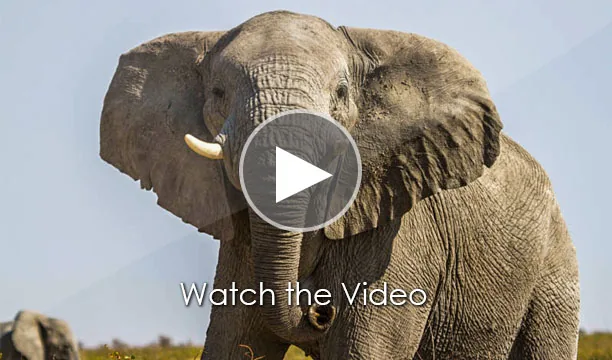
The Etosha Pan shapes the scenery, while water holes can draw animals into view, especially during dry periods. Elephants, giraffes, lions, and black rhinos are among the species associated with the park. The broad views can make it easier to scan the scene, but wildlife density may feel lower than in some other regions.
Water-hole viewing rewards patience. Rather than moving constantly, you may spend time watching animals approach and interact. That style can work well for photographers who want a steady position and changing light. Bring a lens that suits distance, and avoid assuming every water hole will be active at the same time.
Namibia’s open terrain can also make a self-drive trip appealing for confident travelers. A guided safari may be a better fit if you want someone else to manage navigation and animal spotting. Think about how much independence you want, then check road conditions and lodging options for your route.
Etosha is a distinctive choice if stark scenery is part of the appeal. Pick another destination if your first priority is a dense, close-packed game-drive experience.
9. Lower Zambezi National Park, Zambia: River scenery and low-impact exploration
Lower Zambezi is a strong match for travelers drawn to river scenery and a more low-impact style of safari. Leopards are a wildlife highlight, but the park’s appeal also lies in how you spend time in the landscape.
Game viewing can be shaped by the river and the surrounding bush. Depending on the itinerary, visitors may look for ways to explore at a gentler pace instead of spending every outing in a vehicle. Ask which activities are included and what the park’s rules allow on your dates.
Conservation language can be vague, so ask specific questions before choosing a stay. What local work does the fee support? How are wildlife encounters managed? Does the operator explain limits on distance or behavior around animals? Clear answers tell you more than a broad claim about being eco-friendly.
This park suits travelers who want a quieter, more engaged experience and who are happy to make the trip about the river as well as the animals. It may not be the right pick for someone who wants a short, highly predictable Big Five itinerary.
Build enough time into the trip to enjoy the setting. A rushed visit can turn a slow, nature-focused safari into a transfer-heavy stop.
10. Bwindi Impenetrable National Park, Uganda: Mountain gorilla trekking
Bwindi is for travelers whose main goal is seeing mountain gorillas in their rainforest habitat. This is a trek rather than a classic open-vehicle safari, and the route can be physically demanding.
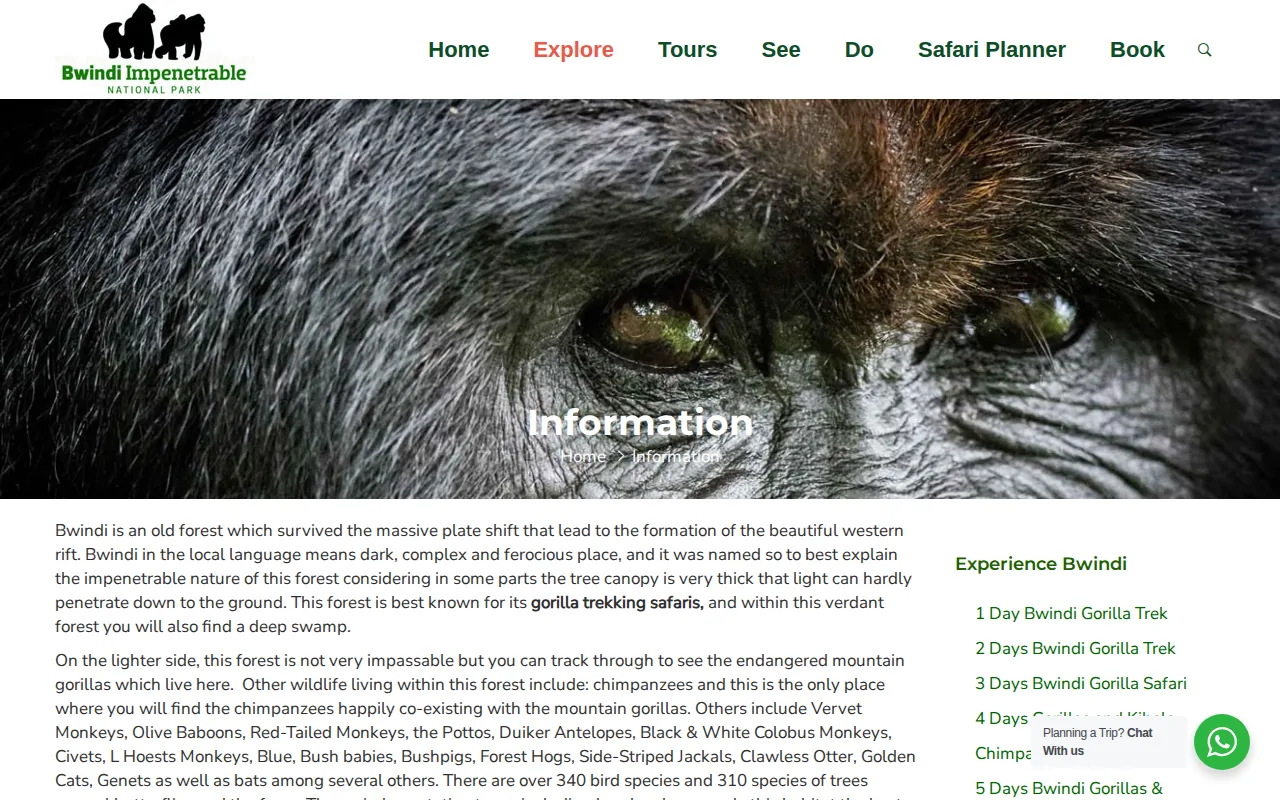
The forest’s steep trails and dense vegetation make the experience very different from watching animals across a plain. You’ll walk with guides and follow the conditions on the ground. Trek length and effort can vary, so be honest about your fitness and ask what preparation is recommended for your visit.
Gorilla trekking needs more planning than a standard game drive. Confirm permits and dates before you book other parts of the trip around them. Pack for rain and uneven ground, and follow guide instructions during the encounter. The aim is to observe without disturbing the animals.
Bwindi works well for travelers who want a focused primate experience or who are adding a forest trek to a wider Uganda itinerary. It is not a substitute for a savanna safari, so think about whether your trip should center on gorillas or include separate time for open-country wildlife.
If you want a traditional game drive with broad views and large herds, choose another park for that part of the trip. Bwindi’s strength is its forest trek.
How These Safari Destinations Compare
East Africa’s headline draws include the Serengeti and Masai Mara, where open savanna and the Great Migration shape many itineraries. Tanzania’s northern parks also make it easier to combine several contrasting settings in one trip. Southern Africa’s options here lean more toward water-based experiences, river viewing, and expansive landscapes.
| Destination | Best fit | Signature experience | Trade-off to plan for |
|---|---|---|---|
| Serengeti | First safari or migration focus | Wide savanna game drives | Herd location shifts by season |
| Ngorongoro | Scenery and concentrated wildlife | Crater-floor drive | Can feel busy at peak times |
| Tarangire | Elephants and a circuit stop | Seasonal park scenery | Wildlife density changes with season |
| Ruaha | Remote feel and predators | Slower-paced wilderness safari | Needs a separate route plan |
| Masai Mara | Big cats and migration | Savanna drives and seasonal herds | Crossings are never guaranteed |
| Okavango Delta | Water, birds, and conservation-led stays | Mokoro or waterway safari | Remote stays can cost more |
| Chobe | Elephant viewing | River safari | Activities depend on itinerary and conditions |
| Etosha | Open landscapes and water holes | Patient water-hole viewing | Wildlife density can feel lower |
| Lower Zambezi | River scenery and low-impact travel | Leopard-focused wildlife time | Less suited to a rushed trip |
| Bwindi | Gorilla trekking | Guided forest trek | Uneven, steep walking |
Cost comparisons need care. A mid-range daily figure is reported for only a small share of safari destinations, and the published examples span a wide range. Tarangire appears at the lower end of reported figures, while Nyerere appears at the high end. Those numbers don’t price a full trip in the same way: lodging, transport, season, and trip length all change the total.
Season advice is just as easy to miss. June through October is a common dry-season window, but it isn’t a universal answer for every park or traveler. The Serengeti’s migration, the Okavango’s floodwaters, and a green-season birding trip each call for different dates. Ask for a quote tied to your dates and route, with inclusions listed clearly.
Safari-TZ.com is a Tanzanian-owned ground operator based in Arusha. Safari-TZ operates its own trips with its own driver-guides and 4x4 vehicles, rather than passing a booking to an unknown operator. That direct handoff matters when you need to adjust a route or understand what your quote includes.
Frequently Asked Questions
What is the best safari destination in Africa for a first trip?
The Serengeti is a strong first choice if you want open plains and classic savanna wildlife. Ngorongoro adds a different landscape on the same Tanzania trip. The best fit still depends on dates, budget, and how much travel time you can allow. If gorilla trekking or water-based safaris matter more, choose a destination built around those experiences instead.
When is the best time to go on an African safari?
June through October is a common dry-season window for many safari trips, but the best dates depend on the park. Migration location changes through the year, and the Okavango Delta has a seasonal flood cycle. Pick dates based on your main wildlife goal, then check local conditions and which stays operate during your visit.
Which African safari destination is best for the Great Migration?
The Serengeti and Masai Mara are the main destinations for following the Great Migration. Herds move across the wider ecosystem, so their location varies by season and year. The Mara is associated with crossings around August to mid-October, but no crossing can be guaranteed. A longer trip gives you more flexibility than planning around one specific day.
Which safari destination is best for elephants?
Tarangire and Chobe are both strong options if elephants are a priority. Tarangire fits naturally into a northern Tanzania route, while Chobe is known for river-based wildlife viewing. Elephant movements vary with local conditions, so ask how your dates and itinerary affect the experience rather than relying on a fixed promise.
How much does an African safari cost?
Safari costs vary by country, season, lodging, transport, and trip length. A daily park figure won’t tell you the full cost if flights or transfers sit outside the quote. Ask for a complete itinerary with inclusions and exclusions stated. That makes it easier to compare a private trip with a group departure or a different comfort level.
Choose the safari that fits your dates
For a first trip centered on classic wildlife, we’d start with Tanzania’s Serengeti and Ngorongoro, then shape the route around your dates and budget. Review Safari-TZ.com’s Tanzania destination options, then request a quote that lays out the route, stay level, and what’s included.