Best Serengeti vs Masai Mara Safari Choice
best serengeti vs masai mara safari choice
Best Serengeti vs Masai Mara Safari Choice
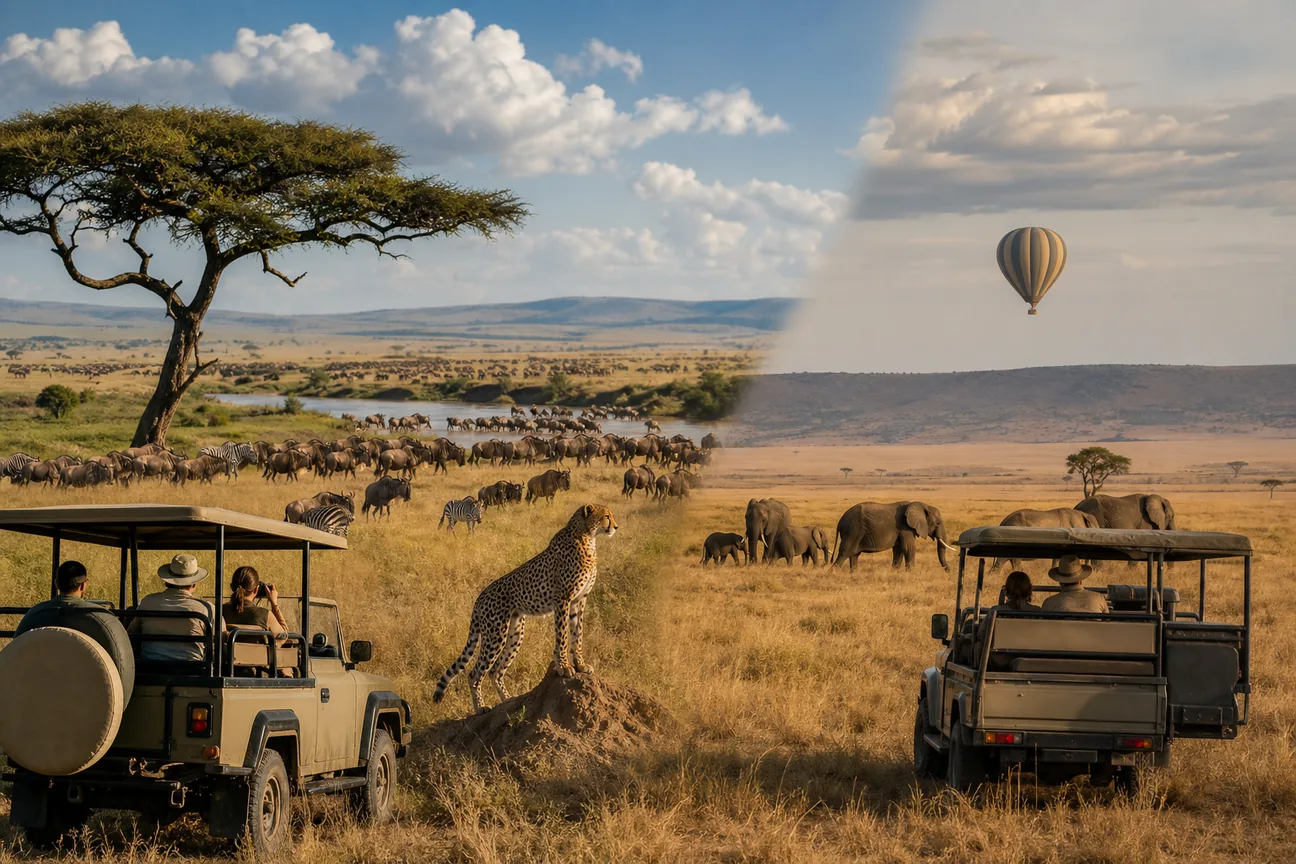
Compare wildlife, season, cost, and experiences in Serengeti and Masai Mara. Find the right East African safari for your adventure.
Travelers often think the Masai Mara is the pricier half of the Great Migration, but Tanzania’s Serengeti can cost a third as much for similar wildlife thrills. Below is our short‑list of the top options to help you pick the park that fits your safari goals.
1. Safari‑TZ.com
Safari‑TZ runs private Tanzanian safaris from Arusha with its own Land Cruiser fleet and seasoned driver‑guides. We serve groups of all sizes, from solo backpackers to luxury honeymoon couples, and we handle every gate, camp, and park fee in one clean itinerary.
Our team knows the Serengeti’s migration routes inside out, so you get to watch the herds cross the Grumeti River without the crowds you’d find in the Mara’s river‑crossing points. Because we own the vehicles, we can tweak the route on the fly if a rainstorm closes a road, something larger resellers can’t promise.
We also bundle the park entry fee (about $70 , $82 per adult per day) into the price, which keeps the total cost transparent. The only caveat is that we operate out of Tanzania, so if you want a side‑trip to Kenya you’ll need a separate booking.
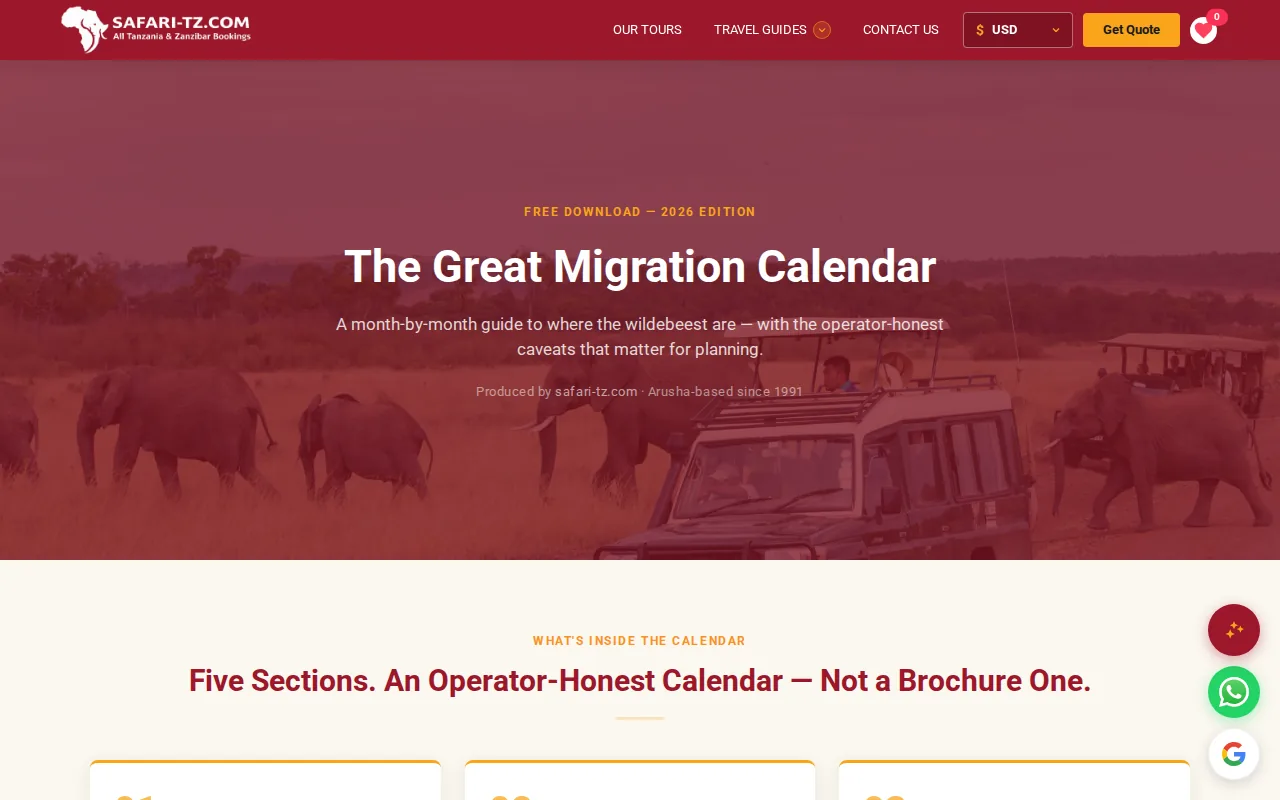
The Great Migration Calendar - Safari‑TZ shows when the wildebeest are in each sector, letting you plan the exact window for peak action.
2. Masai Mara National Reserve — Best for concentrated wildlife and peak migration viewing
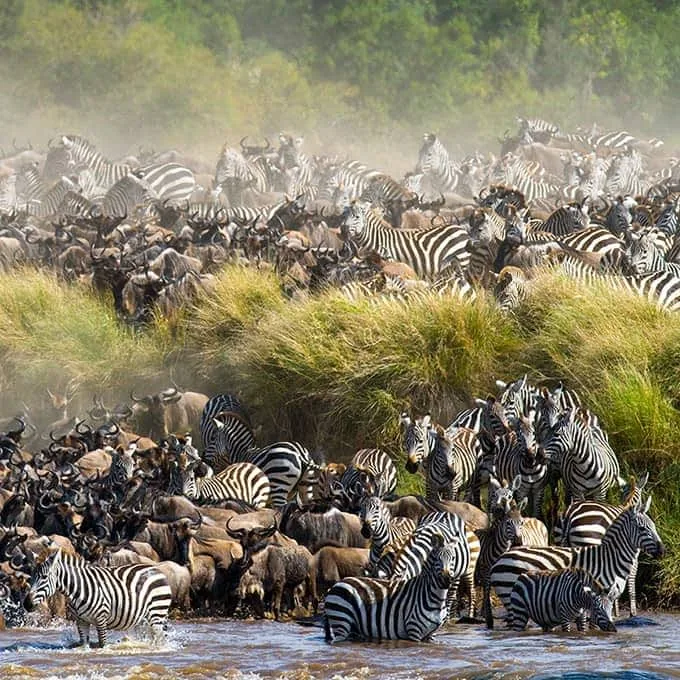
The Masai Mara packs the same big‑cat action into a smaller area, so animal sightings feel more intense. During the August‑October peak, the river crossings draw thousands of tourists, but the sheer density of lions, leopards, and cheetahs means you’ll see a predator in action on almost every drive.
Park fees climb to $200 per adult per day in the high season, a steep jump from the Serengeti’s $70‑$82 range. That fee includes conservation and community contributions, which help sustain Maasai‑run conservancies nearby.
Our guides often pair a Mara stay with a hot‑air balloon ride, a thrilling way to spot the herds from above, though it adds extra cost. The reserve is accessible by air, with short 45‑minute flights landing at a nearby airstrip.
According to Wikipedia, the Serengeti hosts one of the world’s largest animal migrations, and the Mara receives the tail‑end of that movement each year.
3. Mara North Conservancy — Best for private conservancy activities and lower visitor pressure
The Mara North Conservancy sits on the edge of the reserve, covering open savannah. Because the conservancy limits visits, you’ll often find yourself alone with the wildlife.
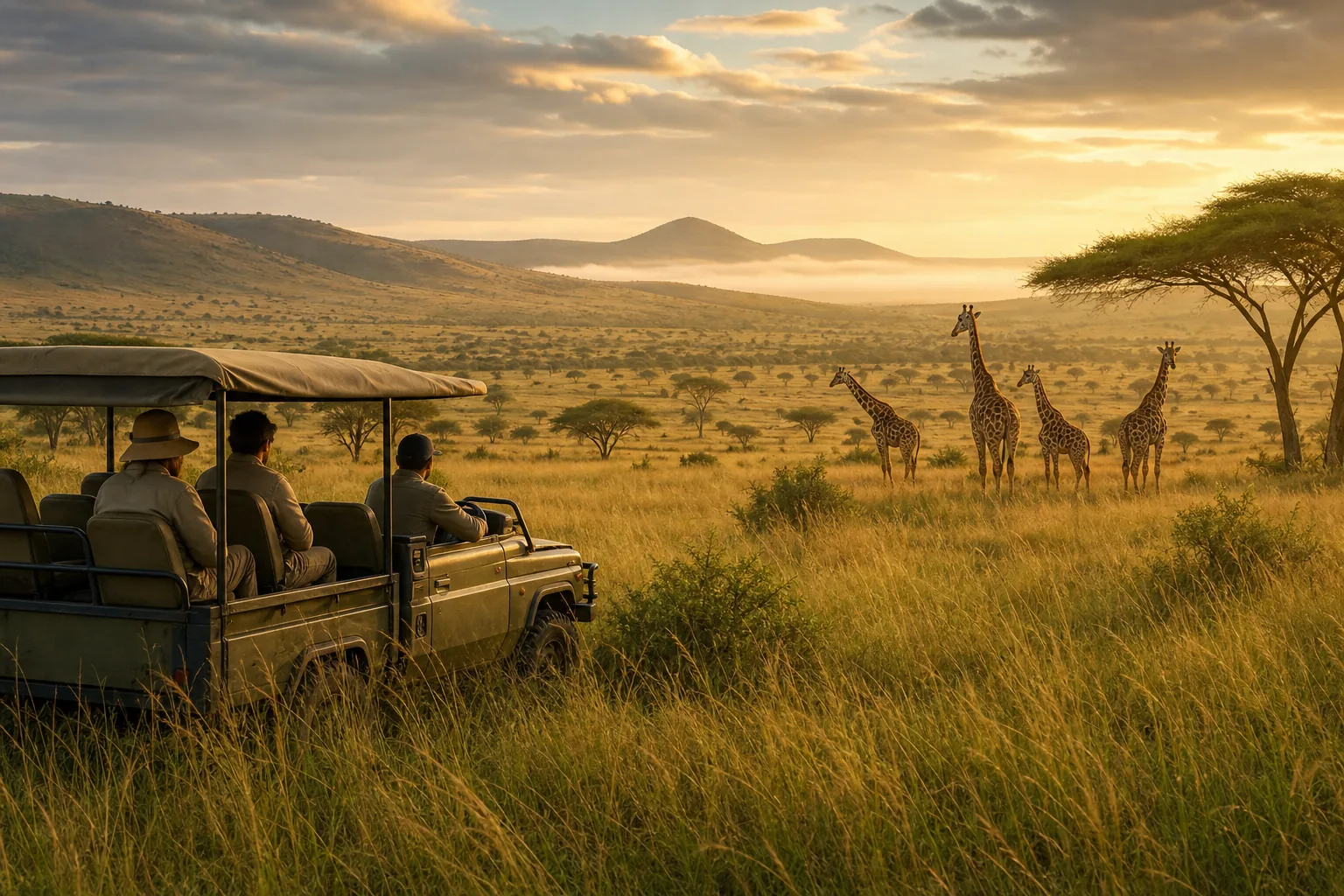
Visitor numbers are capped at five vehicles at any game sighting, so the herd crossings feel intimate rather than a crowded spectacle. You can also join night drives and walking safaris, activities the national reserve forbids.
Our Tanzanian guides partner with local Maasai conservancy operators, meaning your fees support community projects directly. The downside is that rates run higher than the public reserve, with pricing varying by season, but the exclusive experience often justifies the premium.
7-Day Tanzania Safari 2026, Northern Circuit Guide gives a day‑by‑day look at how a Serengeti‑focused itinerary can blend with a quick Mara hop.
4. Olare Motorogi Conservancy — Best for high wildlife‑to‑visitor ratios
Olare Motorogi is a private conservancy perched on the Mara’s western border. Its strict visitor limit (one vehicle per 350 acres) creates a wildlife‑to‑visitor ratio that’s among the highest in East Africa.
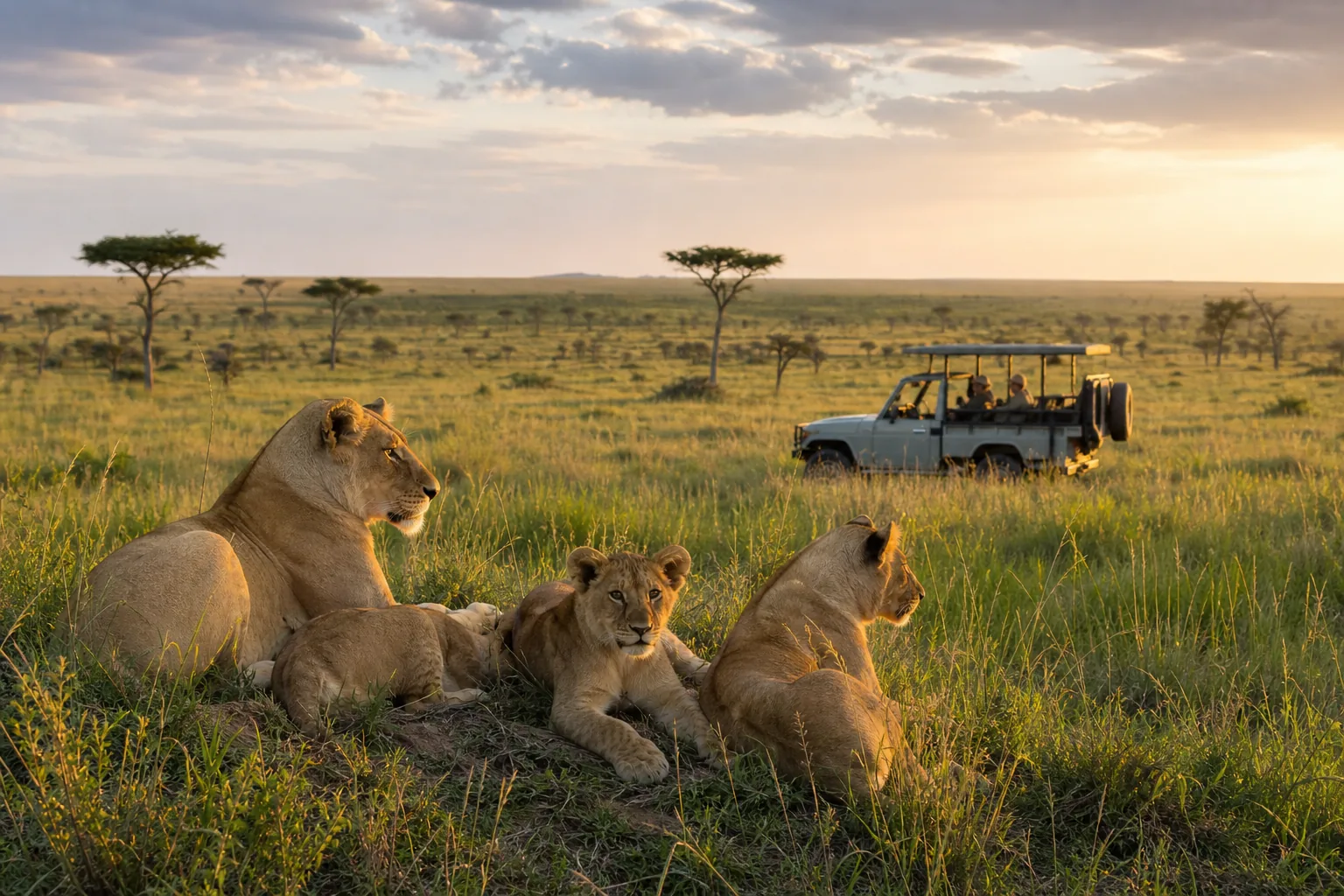
The landscape is a mix of open grassland and riverine forest, giving predators plenty of ambush spots. Because the herd moves through Olare early in the migration, you can often watch the wildebeest cross the Talek River before the crowds arrive.
Entry fees sit at about $100 per adult per day, a mid‑range price that balances exclusivity with affordability. The main trade‑off is that the conservancy is farther from major airstrips, so you’ll need an extra road transfer.
Best Places to See Tanzania’s Big Five shows how Olare fits into a broader wildlife‑spotting plan across the Serengeti‑Mara ecosystem.
5. Northern Serengeti National Park — Best for migration‑focused itineraries near the Mara ecosystem
The Northern Serengeti is a strong choice for migration-focused itineraries near the Mara ecosystem. Our team can help you plan around seasonal wildlife movements and the conditions at the time of travel.
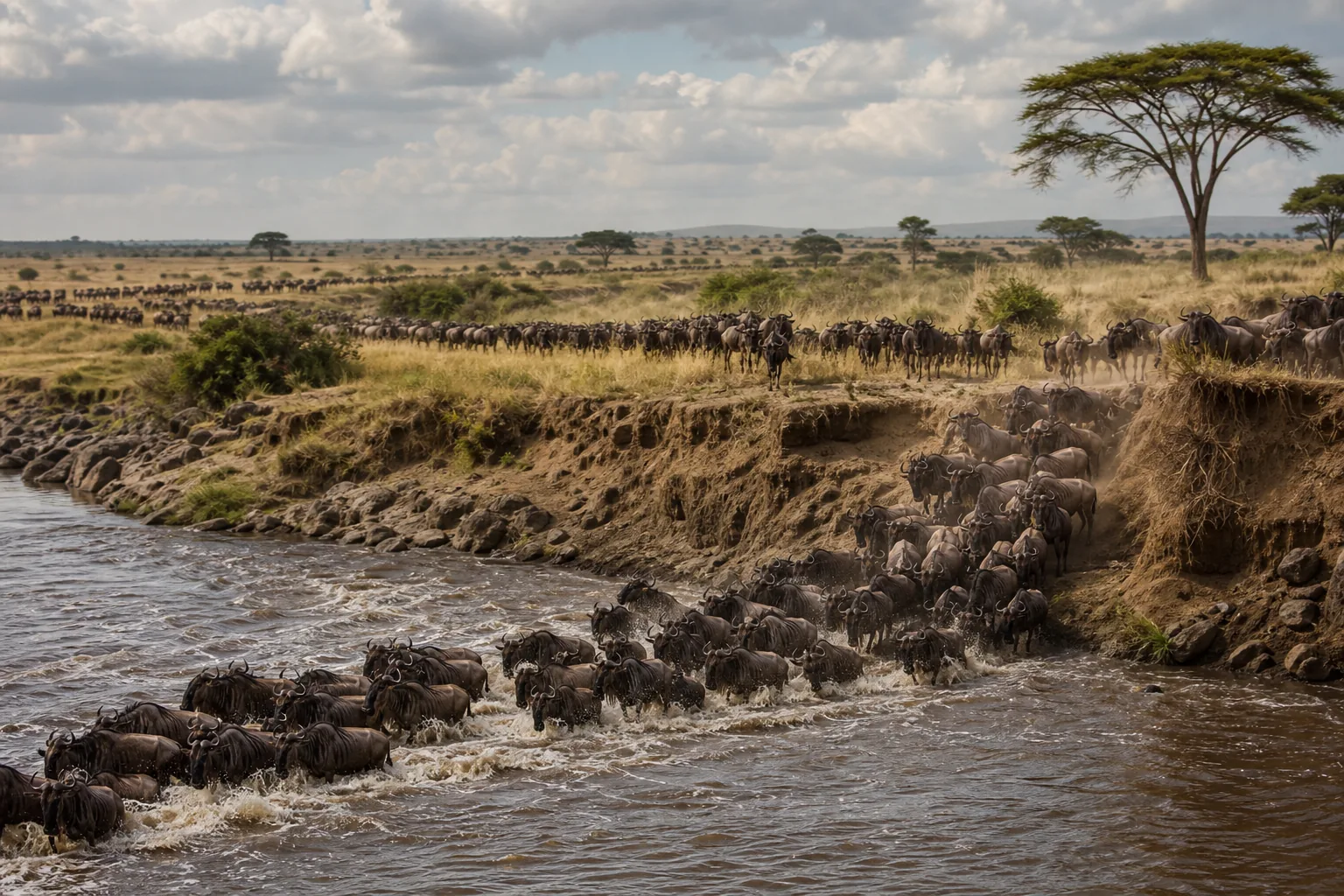
The Serengeti has a wildlife density of 5.41 individuals per 100 km². You’ll also experience the park through game drives, with the wider Serengeti offering options such as night vehicle safaris and walking safaris.
Pricing varies by season and itinerary. The area requires careful planning, so working with guides who understand current conditions and migration timing is important.
Our guides use the Destination | Safari‑TZ portal to match your travel dates with the migration calendar, helping you plan the right itinerary for the season.
FAQ: Serengeti vs Masai Mara
Which park offers better value for money?
The Serengeti generally provides better value because its park entry fee stays under $82 per adult per day, while the Masai Mara peaks at $200 during migration season.
When is the best time to see the Great Migration in each park?
In the Serengeti the main window runs from December to July, with the Grumeti crossing most active June‑July; the Masai Mara’s peak is August‑October, when the herds cross the Mara River.
Can I see the same wildlife in both parks?
Yes, both parks host the big five and the same migrating herds, but the Serengeti offers a wider range of habitats, while the Mara concentrates the action in a smaller area.
Do I need a visa for both Tanzania and Kenya?
Travelers need a Tanzanian visa for the Serengeti and a Kenyan e‑visa for the Masai Mara; each can be applied for online before departure.
Is it possible to combine both parks in one trip?
It is, but you’ll lose a full day to border crossings and flights, which can be costly and tiring, so many first‑timers prefer to stay in one country.
Conclusion
For most travelers the Serengeti gives you the same wildlife thrills at a lower price, and Safari‑TZ’s ground‑operated tours let you move with confidence. Ready to lock in your dates? Explore our tour options and book today.
Ready to put this into practice? Safari-TZ.com was built for exactly this.