3-Day Safari from Arusha — The Northern Circuit Sweet Spot
A 3-day safari from Arusha is the sweet-spot short safari — meaningful enough to do Ngorongoro Crater properly, short enough to fit alongside Kilimanjaro or a Zanzibar beach stay. The honest uplift over a 2-day is substantial: roughly double the game-viewing time (14 to 18 hours versus 6 to 8), two parks instead of one, and crucially, around 5 hours on the Crater floor instead of 3. That extra Crater time is the difference between a quick rim-to-floor visit and seeing the Crater the way it deserves — pre-dawn descent, lions still active, rhinos found, the full wildlife density before the morning sun moves the cats to the shade. The cost uplift is roughly 50 to 80 percent more than a 2-day, which works out to about the same cost per day with an extra park and the proper Crater session for the difference.
The operational improvement is Karatu basing: instead of the long Arusha-Crater drive each day, you sleep both nights at a Karatu lodge ~30 minutes from both Manyara and the Crater rim, which is what makes the 3-day pacing work. Most 3-day buyers pick one of three honest combinations: Tarangire plus Crater plus Manyara (the classic 3-park version, most-booked), Tarangire plus Crater (2 parks done deeper, for buyers prioritising depth), or Manyara plus Crater plus Tarangire (same parks, alternative order for travelers preferring the lighter Manyara first day). Below: the three itinerary options side-by-side so you can pick the one that suits, the three pricing tiers with honest numbers, the real day-by-day with the Crater session timed properly, what each park delivers, the cost breakdown, and how 3 days compares to 2 or 4. After 35 years running northern Tanzania from Arusha, this is the version we recommend whenever the Crater is the priority.
3-Day Safari from Arusha at a Glance
- Safari time: 2 overnights, ~4 game-drive sessions, ~14-18 hrs game viewing
- Three itineraries: Tarangire+Crater+Manyara / Tarangire+Crater 2-park / Manyara+Crater+Tarangire
- Pricing tiers: Budget $700-900 / Mid-range $1,000-1,500 / Luxury $1,800-2,800+
- Crater time: ~5 hrs floor time (vs ~3 hrs on a 2-day)
- Best for: Crater priority, first proper short safari, Kilimanjaro pre/post-climb
- Operational base: Karatu (both nights) — between Manyara and the Crater
What You Actually Get with the Extra Day
Vague "more time" claims don't convert, so here's the uplift in numbers. Game-drive sessions roughly double — from two on a 2-day to about four on a 3-day. Crater floor time goes from ~3 hours to ~5 hours, because basing in Karatu lets you descend pre-dawn without losing the morning to a drive from Arusha. Parks count goes up by one, typically. And the cost uplift of 50-80% works out to roughly the same per-day cost — meaning you get the extra park and the proper Crater session for free relative to the 2-day's per-day rate. This is the value math that makes the 3-day the cluster's sweet spot, and it's the single reason we point Crater-focused buyers here rather than at the shorter trip.
| Metric | 2-Day | 3-Day | The Uplift |
|---|---|---|---|
| Overnights | 1 | 2 | +1 night |
| Parks visited | 1-2 | 2-3 | +1 typical |
| Game-drive sessions | 2 | ~4 | 2x |
| Game-viewing hours | 6-8 | 14-18 | ~2x |
| Crater floor time | ~3 hrs | ~5 hrs | +2 hrs |
| Mid-range cost | $600-850 | $1,000-1,500 | +50-80% |
| Cost per day (mid-range) | ~$375/day | ~$400/day | Comparable |
Three 3-Day Itineraries — Pick the One That Suits
There's no artificial single canonical itinerary for a 3-day from Arusha. The honest version is three different builds depending on your priority — the 3-park classic for the most variety, the 2-park-deeper for more time per park, or the alternative ordering for a lighter first day. All three are run from a Karatu base for both nights, and all three end with the Ngorongoro Crater on Day 3, because that's the logistical sweet spot: the pre-dawn descent only works cleanly once you're already settled in Karatu, and finishing on the Crater means you're not rushing its 5-hour floor session on a tired first morning. Pick by what matters most — variety, depth, or a gentle start after a long flight.
Three Honest Pricing Tiers — Budget, Mid-Range, Luxury
Here's what each tier actually buys. There's no internal flight floor on an overland 3-day, so budget is a legitimate option, not a corner-cutting exercise. The tier differences are simple: the vehicle (shared versus private), the Karatu lodge quality (basic versus mid versus luxury), and the meal and service standard. Park fees are the same regardless of tier — about $220pp on the three-park version — which is part of why the gap between budget and mid-range is real but smaller than people expect. Pick the tier against your comfort priorities, knowing the parks and the Crater session are the same across all three.
Budget 3-Day Safari
The honest budget. Shared 4×4 with up to 6 guests (window seat guaranteed), basic Karatu lodgings (Country Lodge Karatu, simple guesthouses) or public campsites. The full 3-day experience without lodge upgrades. Per-day cost works out around $250pp — strong value for the parks plus the Crater.
- Shared 4×4, up to 6 guests, window guaranteed
- Basic Karatu lodges or public campsites
- All park fees including the Crater service fee
- All meals, water
- Standard 4×4 with experienced driver-guide
Mid-Range 3-Day Safari
The sweet spot. Private or small-group 4×4 (up to 4 guests), mid-tier Karatu lodges (Tloma Lodge, Kitela, Acacia Farm), full meals and water. Comfortable, well-paced, the version most short-safari clients book. Per-day cost ~$400pp — comparable to a mid-range 2-day per day, but with the Crater proper and extra parks.
- Private or small-group 4×4 (up to 4 guests)
- Mid-tier Karatu lodges (Tloma, Kitela, Acacia Farm)
- All meals, water, soft drinks at the lodge
- All park fees + Crater service fee
- Full guide service, transfers included
Luxury 3-Day Safari
Premium Karatu lodges (Gibbs Farm, Plantation Lodge, The Manor at Ngorongoro), a private 4×4 dedicated to your party, premium meals, sundowner drinks. The "do it once, do it right" version for buyers wanting the 3-day at premium comfort.
- Premium lodges (Gibbs Farm, Plantation Lodge, The Manor)
- Private 4×4, dedicated guide
- Premium meals, sundowner drinks, full bar
- All park fees and transfers
- Best lodging in the short-safari window
Day-by-Day — The Most-Booked 3-Park Version
This is the realistic day-by-day for the most-booked option — Tarangire plus Crater plus Manyara — with the other two builds noted where they vary. Karatu basing both nights is the operational backbone: a short run to Manyara on Day 2 and a pre-dawn Crater descent on Day 3 without a long pre-drive from Arusha. Geoffrey Komba, William Mwasimba, and Isaac Munuo run these routes daily, so the timings below are operational, not optimistic. The named guides typically meet clients at the Arusha pickup and stay with the group throughout the three days.
Arusha → Tarangire, overnight Karatu
Lake Manyara morning, overnight Karatu
Ngorongoro Crater (~5 hrs), back to Arusha
Ready to plan your 3-day safari?
Tarangire, Manyara, Ngorongoro Crater — What Each Delivers Properly
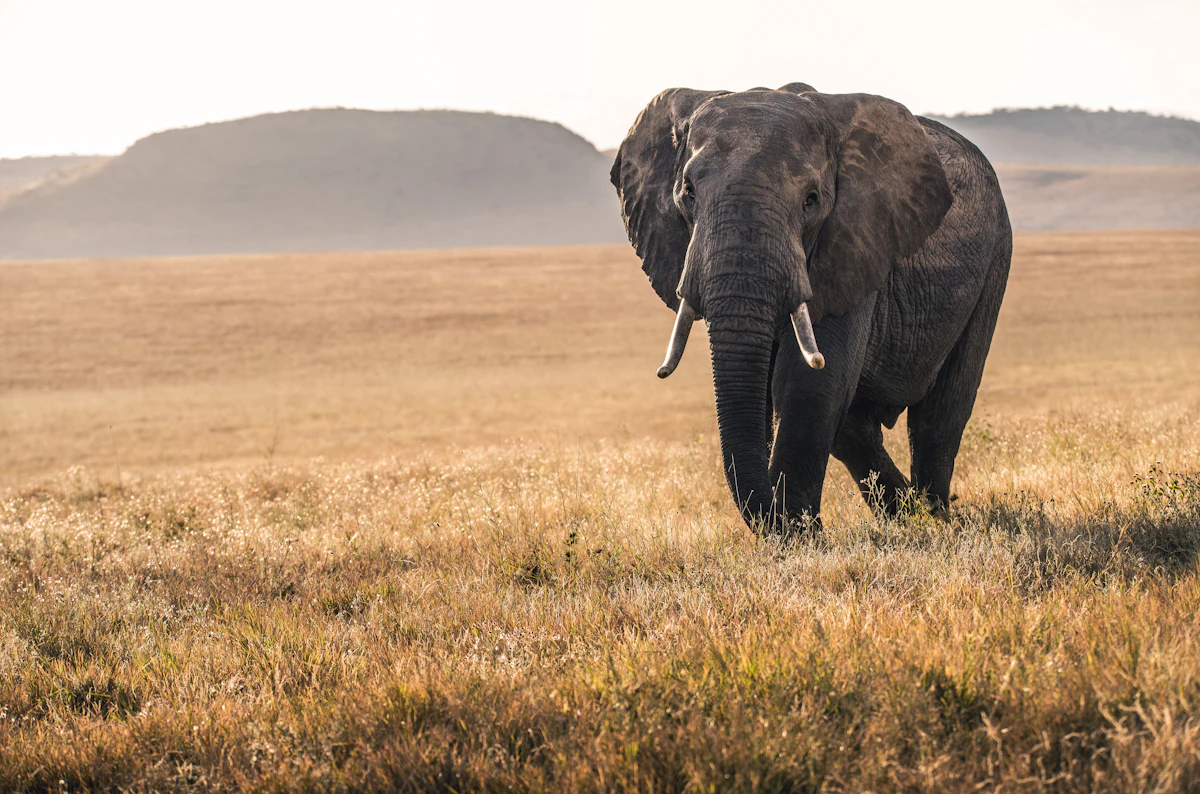
Tarangire National Park (2,850 sq km, full Day 1 game drive) is the northern circuit's elephant park. It carries the largest concentration of elephants of any park in the region — herds of 50-plus are common in the dry season (June-October), when the Tarangire River is the only reliable water. The baobab trees, some 800-plus years old, are the visual signature. Resident lions, leopards (more elusive), giraffe, zebra, and wildebeest are present year-round. A full afternoon game drive on Day 1 covers the main game-rich areas around the river.
Lake Manyara National Park (330 sq km, half-day Day 2) is a compact rift-valley park with high variety in a small area. The 600m rift wall escarpment creates a dense groundwater forest at its base — elephants in the forest, baboon troops, and the famous (occasional, never guaranteed) tree-climbing lions. The alkaline lake brings flamingos when water levels suit (November-June best). A half-day in Manyara works because the park is compact — 3 to 4 hours covers it without rushing.
Ngorongoro Crater (Day 3, ~5 hrs floor time) is a 19 km-wide collapsed caldera, around 600m deep, with the highest wildlife density in northern Tanzania. All Big Five are present, including reliable rhinos that are genuinely rare elsewhere. The 5-hour Crater floor session is the key uplift from the 2-day's ~3 hrs — you arrive pre-dawn on the floor, get the lions while they're still hunting, find the rhinos before the morning shifts, and see the full predator-prey ecosystem at peak activity. Crater fees ($70.80pp NCAA plus a $295 vehicle service fee, ~$50pp shared) are real costs included in your package.
Where Your Money Goes on a 3-Day Safari
Most 3-day pricing pages hide the cost composition. Here's the honest version: park fees, the Crater service fee, two nights of Karatu lodging, and the 4×4 with guide and meals. There's no flight uplift on an overland 3-day, which keeps the total below a fly-in of the same comfort tier. The table below shows where each dollar goes at the mid-range tier — the version most clients book — with budget and luxury ranges noted so you can see how the lodging and vehicle choices move the number. Park fees are a fixed share you can't negotiate away, which is exactly why a too-cheap quote should make you ask what's been cut.
| Cost component | Per person (mid-range) | Notes |
|---|---|---|
| Tarangire park fees ($50 × 1 day) | $50 | Full Day 1 |
| Lake Manyara park fees ($50 × 1 day) | $50 | Half-day Day 2 |
| NCAA Ngorongoro ($70.80 × 1 day) | $71 | Crater Day 3 |
| Crater service fee ($295/vehicle, ~6 pax) | $50 | Shared across the vehicle |
| Lodging 2 nights Karatu mid-range | $300-450 | Budget $150-200; luxury $700-1,200+ |
| 4×4 + guide + meals for 3 days | $450-700 | Shared (budget) to private (luxury) |
| Mid-range total | $1,000-1,500 | The honest sweet spot |
3 Days vs 2 Days vs 4 Days — Which Is Right?
If you're still deciding how long to go, here's the honest framing across the spectrum. The 2-day is the entry-level — one park done well or a quick Crater. The 3-day is the sweet spot whenever the Crater matters — the Crater proper plus two or three parks, the version we most often recommend for short-safari buyers. The 4-day adds the Serengeti or extends the Karatu pace; the 7-day is the full reference safari and the best per-day value. Pick by how many parks you actually want and how much the Crater matters to you.
- 2-day safari from Arusha (read more): one overnight, 1-2 parks, ~3 hr Crater. The entry-level. Good for travellers with only 2 days.
- This page — 3-day safari from Arusha: 2 Karatu overnights, 2-3 parks, ~5 hr Crater. The sweet spot whenever the Crater matters. The version we most often recommend for short-safari buyers.
- 4-day Northern Circuit safari (read more): adds the Serengeti or extends the Karatu base across more days. The shortest "real" northern circuit; meaningfully more game-drive time per dollar.
- 7-day Tanzania safari (read more): the full northern circuit done properly — Tarangire, Manyara, Serengeti (3 nights), Ngorongoro. The reference safari and the best per-day value.
- Day-trips from Arusha (Tarangire, Crater, Manyara): for travellers with literally one day.
- Kilimanjaro pre/post-climb safari (read more): if you're climbing Kilimanjaro, the natural combination either side of the mountain.
Best Time for a 3-Day Safari from Arusha
Wildlife seasonality matters less on a 3-day than on a 7-day — you're not chasing the migration — but it's not irrelevant. The honest framing: Tarangire is best June to October when the river concentrates game; the Ngorongoro Crater is excellent in any month, so the Day 3 highlight is reliable year-round; Lake Manyara is good year-round, with flamingos best November to June. The 3-day works well across the dry seasons (January-February and June-October). Avoid the April-May long rains if you can, when park roads get tough and game viewing is harder. The November short rains are usually manageable for a short trip and bring lower pricing and fewer vehicles.
June-October (dry season peak). The best overall window. Tarangire's game concentrates around the river, the Crater is reliable, and lower vegetation makes spotting easier. Pricing runs above shoulder and Karatu lodges fill — book a few months ahead.
November (short rains). Usually manageable for a short trip. Afternoon storms are typical but brief, the landscape greens up, and pricing and crowds drop. Tarangire and Manyara work well; the Crater can have visibility dips in heavy afternoon cloud, but the morning descent is usually clear.
December-March. Good value with reliable Tarangire and Crater game. Manyara's flamingos are at their best in this window. February holiday-season pricing climbs for a few weeks but the wildlife is strong.
April-May (long rains). The one window we steer 3-day buyers away from at premium tier. Roads get tough, some camps close, and the Crater floor can flood. If you must travel then, treat it as a budget-tier trip and keep expectations realistic.
3-Day Safaris from Arusha — Book Direct
Our scheduled and private 3-day departures — three itinerary options across three tiers. Same-day departures are often possible for travellers arriving at Kilimanjaro International Airport, because the 4×4s are positioned at our Arusha base year-round. The placeholder cards below are populated with real availability and pricing from the tours page; the prices shown are indicative starting points. Tell us your dates and Geoffrey Komba or Isaac Munuo will confirm the right Karatu lodge and the honest cost for your party.
3-Day Tarangire + Crater + Manyara (most popular)
The classic 3-park short. Tarangire Day 1, Manyara Day 2, a ~5 hr Crater session Day 3, both Karatu nights. The most-booked 3-day. (Placeholder pricing.)
View on tours page →3-Day Tarangire + Crater (2-park deeper)
More time in Tarangire's elephant herds across Day 1 and a Day 2 morning, then the Crater Day 3. Skips Manyara for depth. (Placeholder pricing.)
View on tours page →3-Day Luxury Crater Focus
The 3-day at premium comfort — Gibbs Farm or Plantation Lodge, a private 4×4, and the Crater done properly on Day 3. (Placeholder pricing.)
View on tours page →- Back to the pillar: Short safaris from Arusha — half-day to 3-day guide
- The shorter version: 2-day safari from Arusha — the entry-level overnight
- The natural next step up: 4-day Northern Circuit safari — adds the Serengeti
- The full circuit: 7-day Tanzania safari — the reference safari
- Tarangire day version: Arusha to Tarangire day trip
- Crater day version: Arusha to Ngorongoro day trip
- Manyara day version: Arusha to Lake Manyara day trip
- Just one day: 1-day safari from Arusha
- JRO layover: Layover safari Kilimanjaro Airport
- Kilimanjaro pre/post-climb: Post-Kilimanjaro safari
3-Day Safari from Arusha — Common Questions
Is 3 days enough for a Tanzania safari?
Three days is the sweet-spot length for a short safari from Arusha — long enough to do the Ngorongoro Crater properly and visit two or three parks, short enough to fit alongside Kilimanjaro or a Zanzibar beach stay. Honestly, a 3-day is about 2.5 days of safari plus two overnights, which works out to roughly four substantial game-drive sessions and 14 to 18 hours of game viewing. That is close to double a 2-day. The key difference is the Crater — around 5 hours on the floor on a 3-day versus about 3 hours on a 2-day, because you base in Karatu and descend pre-dawn without a long drive back to Arusha in the same day. After 35 years running short safaris from Arusha, this is the version we recommend whenever the Crater is the priority.
What parks does a 3-day safari from Arusha cover?
The most-booked 3-day covers three parks — Tarangire on Day 1, Lake Manyara on Day 2, and the Ngorongoro Crater on Day 3 — all run from a Karatu base for both nights. Tarangire delivers the largest elephant concentration in the Northern Circuit and its baobab landscape; Lake Manyara is a compact rift-valley forest with seasonal flamingos and occasional tree-climbing lions; the Crater holds the highest wildlife density in northern Tanzania, including reliable rhinos. We also run a two-park-deeper version (Tarangire plus Crater, skipping Manyara for more time in each), and an alternative ordering (Manyara first for a lighter Day 1, then Crater, then Tarangire on the way back). All three end with the Crater because the pre-dawn descent is the logistically right placement. Geoffrey Komba and William Mwasimba run these routes daily.
How much does a 3-day safari from Arusha cost?
A 3-day safari from Arusha runs across three honest tiers. Budget is $700-900pp on a shared 4×4 with public campsites or basic Karatu lodgings. Mid-range is $1,000-1,500pp on a private or small-group 4×4 with mid-tier Karatu lodges like Tloma Lodge or Kitela — the sweet spot most clients book. Luxury is $1,800-2,800pp+ at premium lodges like Gibbs Farm or Plantation Lodge with a private 4×4. Pricing includes all park fees, the NCAA and Crater service fee, two nights of Karatu lodging, the 4×4, driver-guide, and meals. There is no internal flight cost on an overland 3-day, which is why budget is a genuine option, not a corner-cut. Per-day, mid-range works out around $400pp — comparable to a mid-range 2-day per day, but with the Crater proper and an extra park. See Tanzania safari cost 2026 for the full breakdown.
Should I do a 2-day, 3-day, or 4-day safari?
It comes down to how much the Crater matters and how many parks you want. A 2-day from Arusha is the entry-level — one overnight, one or two parks, about 3 hours on the Crater floor. A 3-day is the sweet spot — two Karatu overnights, two or three parks, around 5 hours on the Crater, roughly double the game-drive time of a 2-day for about 50 to 80 percent more cost (similar per day). A 4-day Northern Circuit adds the Serengeti or extends the Karatu pace across more days, which brings the per-day cost down further. After 35 years routing short safaris, we recommend the 3-day whenever the Crater is the priority, the 2-day for the most time-constrained travellers, and the 4-day for anyone who wants the Serengeti in the mix.
Why is the Ngorongoro Crater visited on Day 3?
The Crater goes on Day 3 because the pre-dawn descent is what delivers the proper 5-hour floor session, and that only works cleanly from a Karatu base after you have already arrived and settled. You leave the Karatu lodge around 05:30, reach the Crater floor by about 06:30, and get the peak wildlife window — lions still active, rhinos found before the morning shifts, the full predator-prey density before the sun pushes the cats into the shade. By 10:00 the lions sleep and by midday the wildlife slows, so you ascend the rim by around 12:00, take lunch in Karatu, and drive back to Arusha. Putting the Crater last means you are not rushing it on a tired first morning, and you finish the safari on its highest point. On the alternative-order itinerary the Crater is Day 2 instead, with Tarangire on the way back.
Why is Karatu used as the overnight base?
Karatu sits between Lake Manyara and the Ngorongoro Crater — about 30 minutes from both — which is what makes a 3-day from Arusha work logistically. If you tried to base in Arusha, you would burn 3 to 3.5 hours each way driving to the Crater, which eats the game-drive time the 3-day exists to deliver. Basing both nights in Karatu means a short 30-minute run to Manyara on Day 2 and the pre-dawn Crater descent on Day 3 without a long pre-drive. It is the same operational logic we use on the 4-day Northern Circuit. Karatu lodges range from basic guesthouses and Country Lodge Karatu at the budget end, to Tloma Lodge, Kitela, and Acacia Farm at mid-range, up to Gibbs Farm and Plantation Lodge at luxury.
Can I see the Big Five on a 3-day safari?
A 3-day from Arusha gives you a genuine shot at all Big Five, mainly because of the Crater. The Ngorongoro Crater holds reliable rhinos — genuinely rare elsewhere in northern Tanzania — alongside lions, elephants, and buffalo at the highest wildlife density in the region. Tarangire adds large elephant herds and buffalo, with lions present and leopards occasional. Lake Manyara contributes elephants, buffalo, and the rare chance of tree-climbing lions. Across the three parks, four of the Big Five are reliable and the fifth — leopard — is possible but never guaranteed anywhere. The 5-hour Crater session on Day 3 is what tips a 3-day into real Big Five territory, which is why we steer Big Five-focused buyers to the 3-day over the 2-day's shorter Crater window.
What's included in a 3-day safari price?
A 3-day safari from Arusha includes the 4×4 Land Cruiser with an open game-viewing roof, the driver-guide, all park entry fees for the parks on your itinerary, the NCAA Ngorongoro fee and the $295 per-vehicle Crater service fee, two nights of lodge or camp accommodation in Karatu, full board meals, and bottled water. Hotel or airport pickup and drop-off in Arusha are included. Not included: tips for your guide, drinks beyond water, and items of a personal nature. We quote park fees separately so you can see exactly where the money goes — on the three-park version they run about $220pp before lodging and vehicle. Geoffrey Komba or Isaac Munuo confirm every inclusion before you pay a deposit, so there are no surprises added later.
Can I combine a 3-day safari with Kilimanjaro?
Yes — a 3-day is one of the most popular pre or post-Kilimanjaro add-ons we run, and the timing fits well. After the mountain you want comfortable Karatu lodges, good food, and a vehicle rather than your legs, and the 3-day delivers exactly that with the Crater as the highlight. The pre-dawn Crater descent on Day 3 is one early start, which most climbers manage fine a day or two after summit. Because we are Arusha-based and our 4×4s sit at the Arusha base year-round, we can often arrange a same-day or next-morning departure for climbers finishing at Kilimanjaro International Airport. See our post-Kilimanjaro safari page for the full recovery logic, or WhatsApp Isaac Munuo your climb dates and we will tell you honestly what we can confirm.
When is the best time for a 3-day safari from Arusha?
The 3-day works across the dry seasons. Tarangire is at its best June to October, when the Tarangire River becomes the main water source and game concentrates around it. The Ngorongoro Crater is excellent in any month thanks to its enclosed wildlife density, so the Day 3 highlight is reliable year-round. Lake Manyara is good year-round, with flamingos best November to June when the lake levels suit. The January-February dry window and the June-October peak are the strongest overall. Avoid the April-May long rains if you can — park roads get tough and game viewing is harder. The November short rains are usually manageable for a short trip and bring lower pricing and fewer vehicles. After 35 years, our honest steer is to book a dry-season 3-day a few months ahead. See best time to visit Tanzania safari.
Can a 3-day safari include the Serengeti?
Honestly, no — not well. The Serengeti is about 5 to 6 hours' drive from the Crater area, so fitting it into a 3-day from Arusha would mean spending most of your time in the vehicle rather than on game drives, and you would still only get a token few hours in the park. We do not sell a 3-day Serengeti from Arusha because it would not deliver. If the Serengeti is on your list, the honest minimum is a 4-day Northern Circuit, which adds a Serengeti night and real game-drive time there, or better still a longer safari. A 3-day from Arusha is built around Tarangire, Lake Manyara, and the Ngorongoro Crater — the parks close enough to do properly from a Karatu base. For the Serengeti done right, step up to the 4-day or the 7-day.
How early do we leave Arusha on a 3-day safari?
Day 1 departure from your Arusha hotel or from Kilimanjaro International Airport is typically 07:00 to 08:00, which gets you to Tarangire — about 2 hours away — in time for lunch and a full afternoon game drive before the drive to Karatu. Day 2 is a relaxed start, with a 30-minute run to Lake Manyara after breakfast. Day 3 is the early one: a pre-dawn departure from the Karatu lodge around 05:30 to reach the Crater floor by about 06:30 for the peak wildlife window. After 35 years we quote honest departure times — Arusha traffic at rush hour adds about 30 minutes on Day 1, which is why we leave early. The pre-dawn Crater start on Day 3 is the single early morning that makes the 5-hour floor session possible, and it is worth it.
Is a 3-day safari worth the extra cost over a 2-day?
If the Crater matters to you, yes. The honest math: a 3-day costs roughly 50 to 80 percent more than a 2-day, but it delivers close to double the actual safari — about four game-drive sessions instead of two, 14 to 18 hours of game viewing instead of 6 to 8, two or three parks instead of one, and around 5 hours on the Crater floor instead of 3. Per day the cost is comparable — mid-range 3-day at about $400 a day versus mid-range 2-day at about $375 — so you are essentially getting the Crater proper and an extra park for the same daily rate, just over more days. The operational improvement is basing in Karatu both nights instead of driving back to Arusha each day. For Crater-focused buyers, the 3-day is the right call; for the most time-constrained, the 2-day still works.
Three Days, the Crater Done Properly, the Honest Plan
Tell us your dates, itinerary preference, and tier. We'll send a proposal within 24 hours with honest pricing and the right Karatu lodge. Same-day departures possible for travellers arriving JRO.