Best Safari Parks in Africa: 5 Top Picks
best safari parks in africa: 5 top picks
Best Safari Parks in Africa: 5 Top Picks
Compare the best safari parks in Africa, from Tanzania’s Serengeti and Ngorongoro to Botswana’s Okavango Delta and South Africa’s Kruger.
Africa’s best safari parks each deliver something different: the Great Migration, a crater full of wildlife, remote elephant country, a water‑based delta or easy self‑drive Big Five viewing. Here are the five safari parks we love most, plus why each one fits different travel styles.
1. Serengeti National Park with Safari-TZ.com: the Great Migration
The Serengeti is where most travelers meet the Great Migration, and it is the park we know best. Safari-TZ.com is a Tanzanian‑owned ground operator based in Arusha that operates its own fleet of 4x4 safari vehicles and has expert driver‑guides, so you deal directly with the operator rather than a faceless marketplace.
Our team has been handling private, group and luxury safaris since 1991, which means we know the gate times, the best routes and the hidden waterholes that make a game drive unforgettable. If you want a smooth itinerary that can hop from Serengeti to Zanzibar in a single trip, we’re the people who pull it off.
We tailor each safari to your budget, from backpacker camps to all‑inclusive luxury lodges. Because we own the vehicles, we can adjust departure times on the fly to chase a fresh herd or avoid a sudden rainstorm.
One limitation: we run safaris in Tanzania and Zanzibar only, so a Botswana or South Africa leg needs a separate operator.
Read more about the parks we cover in Best Tanzania Wildlife Safari Parks & Experiences. This guide walks you through the top circuits, lodging options and seasonal tips.
2. Ngorongoro Crater: a remarkable wildlife‑rich caldera
The Ngorongoro Crater is a 2,000‑foot‑deep volcanic bowl that holds one of the densest concentrations of mammals on the continent. Lions, elephants, black rhinos and hippos roam the floor, while flamingos flock to the crater’s alkaline lake.
Because the crater is a natural enclosure, game‑viewing odds are high even with a short visit. The best time to go is during the dry season (June to October) when animals gather around the few water sources.
The crater’s walls rise about 610 m, creating a dramatic backdrop for sunrise photography.
Travelers who prefer fewer crowds can visit in the shoulder months of May or November, when lodges are quieter and rates dip slightly.
For first‑time safari planners we recommend reading Best First‑Time Safari in Africa to understand what to pack and how to time your arrival.
3. Ruaha National Park: a Tanzania safari beyond the main circuit
Ruaha sits in south‑central Tanzania and spans over 20,000 km², making it one of the country’s largest national parks. Its remote location means fewer vehicles on the road and more intimate wildlife encounters.
Ruaha holds one of East Africa’s largest elephant populations, while lions, cheetahs and the rare African wild dog stalk the grasslands. Birdwatchers love the park for its more than 500 bird species, including the striking purple heron.
We often pair Ruaha with a fly‑in from Arusha to cut travel time, then spend a few days on walking safaris that let you hear the rustle of grasses underfoot.
Seasonal notes: the dry months (May to December) draw game to the Ruaha River, while the rains (January to April) bring a burst of bird life and lush scenery.
Learn which camps suit your comfort level in Best Camps in Ruaha: Safari TZ Guide. It compares camps on price, location and what each rate includes.
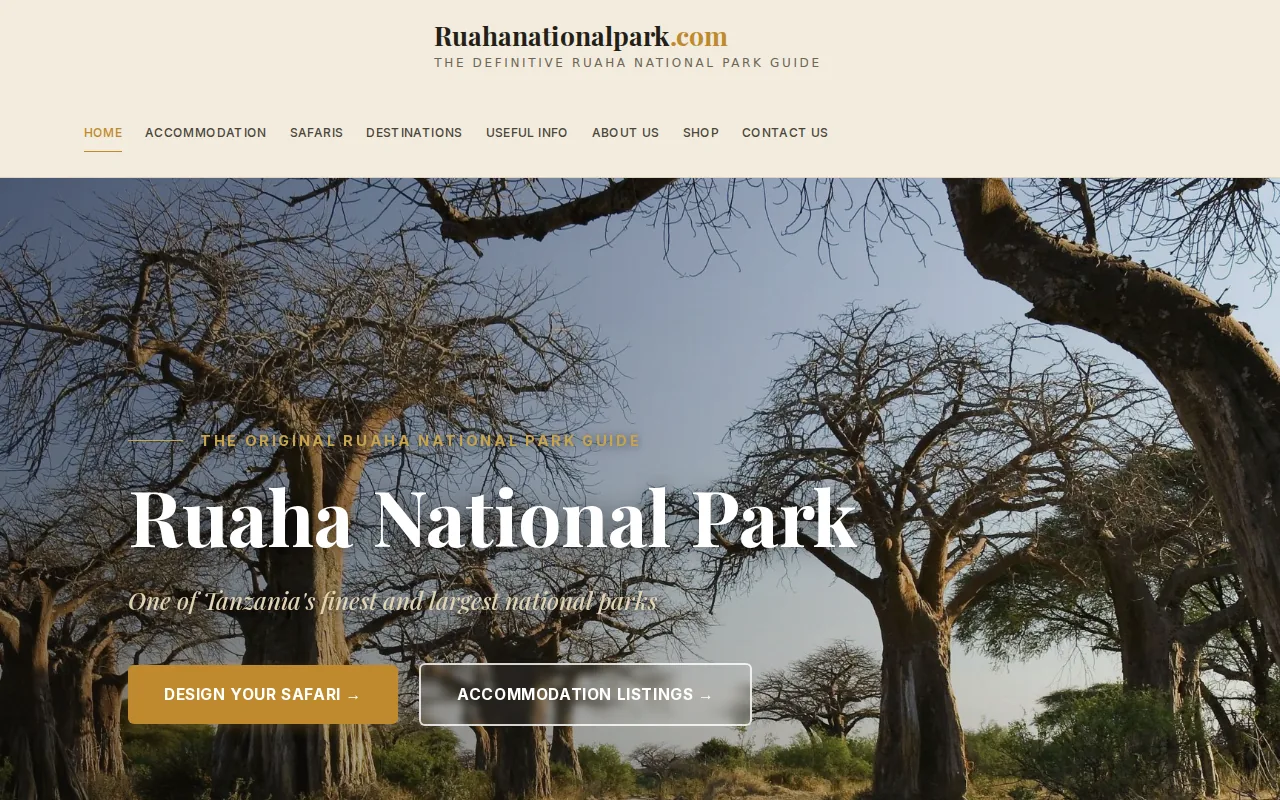
Ruaha’s rugged hills and ancient baobabs add a photographic edge that you won’t find on the more travelled northern circuit.
4. Okavango Delta: a water‑based safari in Botswana
The Okavango Delta is the world’s largest inland delta, formed by floodwaters that never reach the ocean. During the high‑water season (June to October) the channels swell, turning the landscape into a maze of lagoons, islands and papyrus swamps.
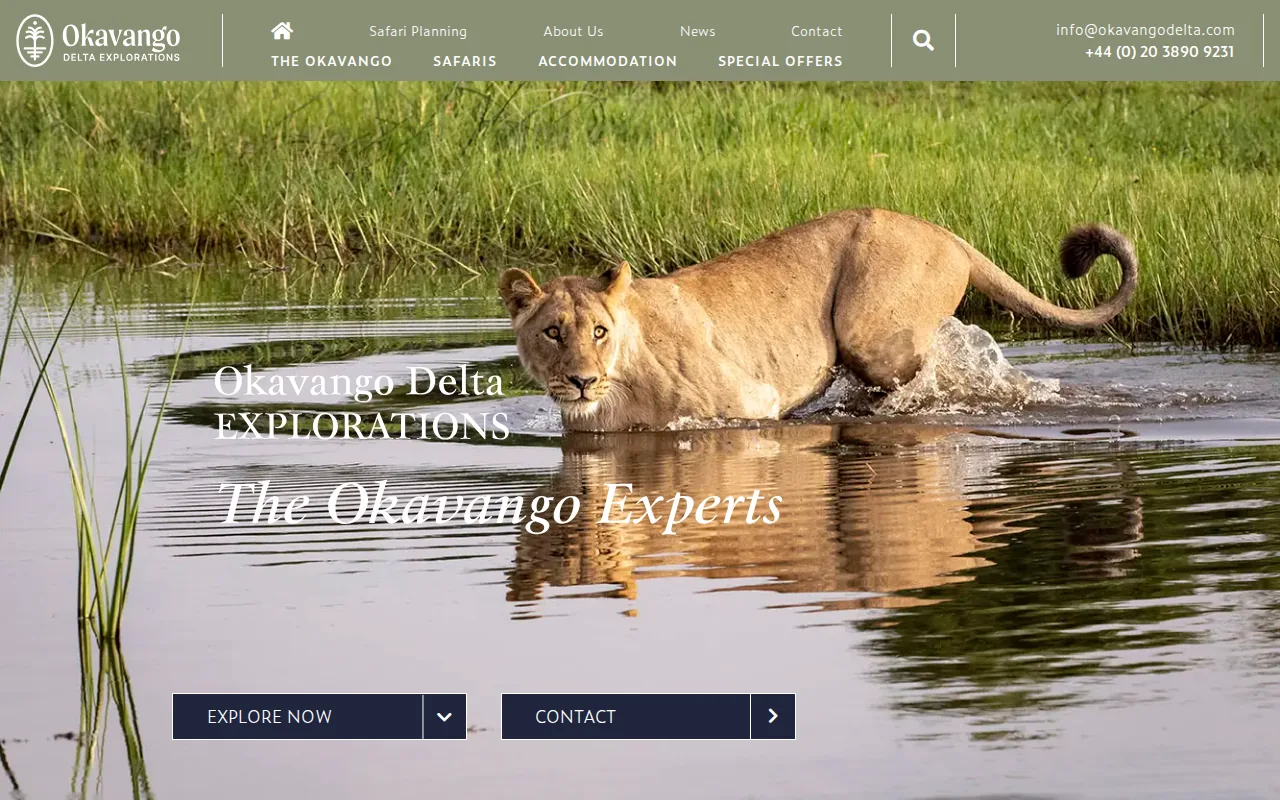
This environment is home to part of Botswana’s elephant population, the largest of any African country, plus lions, leopards, hippos and a dizzying array of birds. The signature experience is a mokoro (dugout canoe) glide through silent waterways, letting you spot wildlife that comes to drink.
Because most delta camps are reached by light aircraft from Maun or Kasane, the cost is higher than many other parks, but the exclusivity and low vehicle density make it feel like a private reserve.
We recommend timing your visit for the dry season when water levels are just right for both boat and land drives.
If you are weighing the Delta against a Tanzania trip in the same months, our guide to the Best Safari in June and July in Tanzania shows what the northern parks look like then.
The delta is a UNESCO World Heritage Site, and its yearly flood pulse is what sustains the wildlife.
5. Kruger National Park: flexible South African safari options
Kruger, in the northeast of South Africa, offers a mix of well‑maintained roads, diverse habitats and the classic Big Five. You can self‑drive, join a guided game drive or stay in a private concession lodge for off‑road tracking.
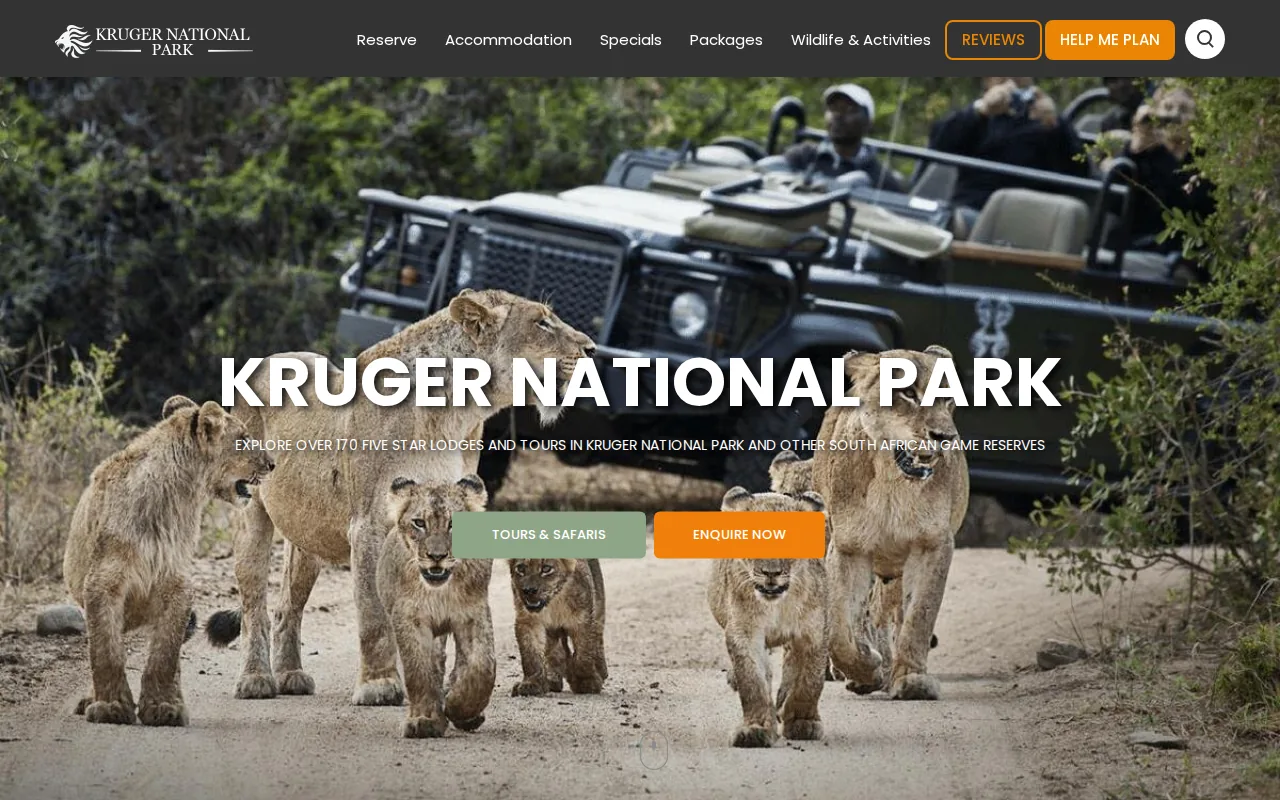
Because the park is open year‑round, you can choose between the wet season (November to April) for birding and the dry season (May to October) for predator sightings near waterholes.
Kruger has a thriving leopard population that is easier to spot in the dry months.
Travelers comparing safari options can consider private reserves, though that adds cost.
For a quieter Tanzanian alternative, read our Nyerere National Park safari guide.
How These 5 Safari Destinations Compare
| Park | Flagship Wildlife | Best Season | Access & Logistics |
|---|---|---|---|
| Serengeti with Safari-TZ.com | Great Migration herds, lions, cheetahs | June–October for migration | Arusha hub, private 4x4 fleet |
| Ngorongoro Crater | Lions, elephants, black rhinos | June–October (dry) | 2‑hour drive from Serengeti gate |
| Ruaha National Park | Elephants, wild dogs, 500+ bird species | May–December (dry) | Chartered flight from Arusha or 130 km drive from Iringa |
| Okavango Delta | Elephants, hippos, mokoro canoe wildlife | June–October (high water) | Fly into Maun, then 4x4 or boat transfers |
| Kruger National Park | Big Five, especially leopards | May–October (dry) | Self‑drive from Johannesburg or fly to Skukuza |
Each destination offers a different blend of wildlife density, seasonal drama and travel style. Match your priorities to the column that matters most.
Frequently Asked Questions
What is the cheapest time to visit the best safari parks in Africa?
The cheapest months are usually the shoulder seasons of May and November, when park fees stay the same but accommodation rates dip and crowds are thinner.
Do I need a visa for all the parks listed?
Visa rules differ by country and by passport, and some travelers need no visa for Botswana or South Africa. Check each government’s official guidance before you travel.
Can I see the Great Migration from any of these parks?
Yes, in the Serengeti. The herds also graze the southern plains near the Ngorongoro highlands early in the year, and the river crossings happen in the northern Serengeti, usually from July to October.
Is malaria a risk in any of these destinations?
Malaria is present in Tanzania, in the Okavango Delta and in Kruger, where the risk is low but real, so ask a travel clinic about prevention. Families who want a malaria-free safari often look at South African reserves such as Madikwe or Pilanesberg instead.
How far in advance should I book a safari in the Okavango Delta?
Because the Delta’s concessions limit visitor numbers, we advise booking at least six months ahead, especially if you want a spot at a high‑end lodge during peak season.
Conclusion
If the Serengeti, Ngorongoro or Ruaha is on your list, contact Safari-TZ.com and our team will build a custom Tanzania itinerary around the parks you want to see.