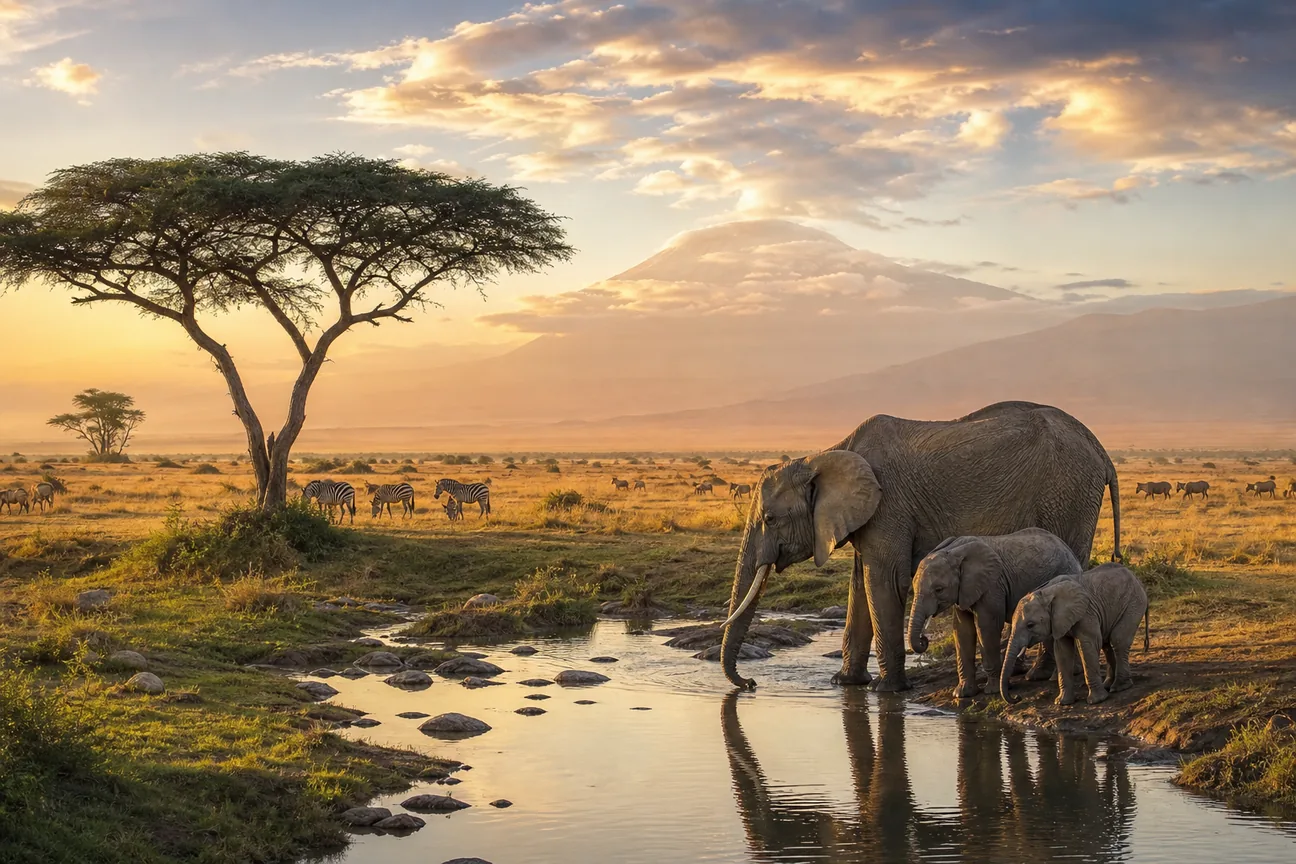
Best Time to Go on Safari in Africa: Month-by-Month Guide
best time to go on safari in africa: month-by-month guide
Best Time to Go on Safari in Africa: Month-by-Month Guide
Discover the ideal month for an African safari. From Tanzania's calving season to dry‑season game viewing, we break down weather, wildlife and crowds.
Planning a Tanzanian safari can feel like a puzzle. You want the right animals, the right weather, and not a sea of tourists. Below is our month‑by‑month shortlist so you can pick the perfect window.
1. January to February: Calving season in the southern Serengeti
January and February are calving season on the short‑grass plains of the southern Serengeti and Ndutu, where the herds give birth and predators follow. It is a quieter window than the July to October peak.
Safari-TZ runs its own 4x4 fleet from Arusha and has been a ground operator since 1991. We handle every detail (permits, guides and lodge logistics) without outsourcing to a marketplace. That means the same driver‑guides who know the park tracks are with you from gate to camp.
Our team can tailor a trip for any budget, from backpacker camps to private luxury lodges. Because we own the vehicles, we can adjust routes on the fly to follow the herds as they move across the plains. From June to October, the dry season brings high wildlife visibility, with animals concentrated around water sources; the green season is another option for birding and low‑crowd experiences.
Our driver‑guides stay in touch with each other about where the herds are, and that flexibility is hard to find with large booking platforms.
We also offer combined safari‑Zanzibar packages, so you can end your wildlife adventure with a beach sunset. Review seasonal pros and cons before choosing dates.
2. March to May: The green season for birding, scenery, and lower crowds
March to May brings the long rains, turning the plains into a vivid green carpet. Birdwatchers love this window: many resident species are in breeding colours, and the lodges are quiet.
Wildlife is a bit more spread out, but predator action stays high in early March, when calving viewing on the southern Serengeti plains can still continue.
Fewer tourists mean lower lodge rates and more private game drives. Our guides often find the parks quiet, letting you linger at waterholes without a line of vehicles.
Some tracks can get muddy in the rains, so we recommend staying on the northern circuit where tracks stay passable. Plan for seasonal conditions.
3. June: A shoulder‑season balance of drier conditions and fewer peak crowds
June marks the end of the long rains and the start of the dry season. The grass begins to thin, making game drives easier, yet the parks haven’t yet filled with July‑August crowds.
Elephant herds gather at the Tarangire River, and the Grumeti River crossings start to appear in the western Serengeti.
Temperatures sit in the mid‑70s°F (24‑26°C), comfortable for long days in the bush. Our driver‑guides can still find water sources that attract predators, giving you solid wildlife action.
Because it’s a shoulder month, lodge availability is usually better than in July and August. For more on this transition, see June‑July safari details.
4. July to October: Dry‑season game viewing and possible river crossings
July through October is Tanzania’s flagship safari window. Rainfall drops to near zero, skies stay clear, and animals concentrate around the few remaining water sources.
The Great Migration reaches its northern climax. Hundreds of thousands of wildebeest and zebra attempt the Mara River crossing, creating chaotic, dramatic moments that define a classic African safari.
Predator sightings spike as big cats patrol the river banks. Our guides know lesser‑used crossing points that let you avoid the biggest crowds of vehicles.
Elephant herds swell at the Tarangire River in October, offering one of the continent’s most impressive elephant spectacles.
Roads are at their best, so you can reach remote parks like Ruaha and Katavi with confidence.
5. November to December: Fresh green landscapes and migratory birdlife
Short rains arrive in November and December, bringing brief afternoon showers that rarely cancel game drives. The landscape turns a fresh green, and the sky stays mostly clear.
Migratory birds from Europe and Asia start to arrive, making this period a birdwatcher’s dream. Flamingos flock to Lake Manyara, and the herds begin moving south toward the short‑grass plains around Ndutu.
November and early December are quieter before the holiday season, so you often get a calmer park experience. Our guides can schedule early‑morning drives before the afternoon showers, maximizing wildlife sightings.
Temperatures rise slightly, but evenings stay cool enough for comfortable camping. For more on migration timing, read our Ndutu migration post.
Tanzania Safari Seasons Compared: Weather, Wildlife, and Crowds
| Season | Weather | Key Wildlife | Crowd Level |
|---|---|---|---|
| Jan‑Feb (Calving) | Warm, short dry spell | Newborn wildebeest, predator frenzy | Low‑moderate |
| Mar‑May (Green) | Frequent showers, lush | Birds, early calving | Very low |
| June (Shoulder) | Cooling, dry | Elephant herds, early river crossings | Moderate |
| Jul‑Oct (Dry) | Dry, clear, cool mornings | Great Migration river crossings, big cats | High (peak in Jul‑Aug) |
| Nov‑Dec (Short rains) | Brief storms, green | Migratory birds, late herd movement | Moderate |
Our experience shows that each window offers something unique. Choose the season that matches your wildlife priority and comfort level.
Frequently Asked Questions
What is the best month for first‑time visitors?
June offers solid wildlife sightings with fewer crowds, making it a comfortable entry point for newcomers.
When can I see the wildebeest calving?
January and February host the peak calving period on the southern Serengeti plains.
Are road conditions safe during the long rains?
In March‑May some tracks can become muddy, so we usually stick to the northern circuit where roads stay passable.
Do I need a visa for Tanzania?
Most travelers obtain a visa on arrival or online; check the latest requirements on the Tanzanian immigration website before you book.
Can I combine a safari with a beach stay?
Yes, Safari-TZ offers smooth safari‑Zanzibar packages that let you transition from wildlife to ocean in a single itinerary.
Conclusion
If you crave dramatic wildlife action, aim for July‑September. If you prefer solitude, consider January‑February or the green season of March‑May. Our Arusha team will build the trip around the month you choose.
Ready to choose your dates? Get a free safari quote from Safari-TZ.com.