Best Luxury Safari Operators in Tanzania
best luxury safari operators in tanzania
Best Luxury Safari Operators in Tanzania
Compare the best luxury safari operators in Tanzania, including Safari-TZ.com, for private guides, premium camps, wildlife, conservation, and value.
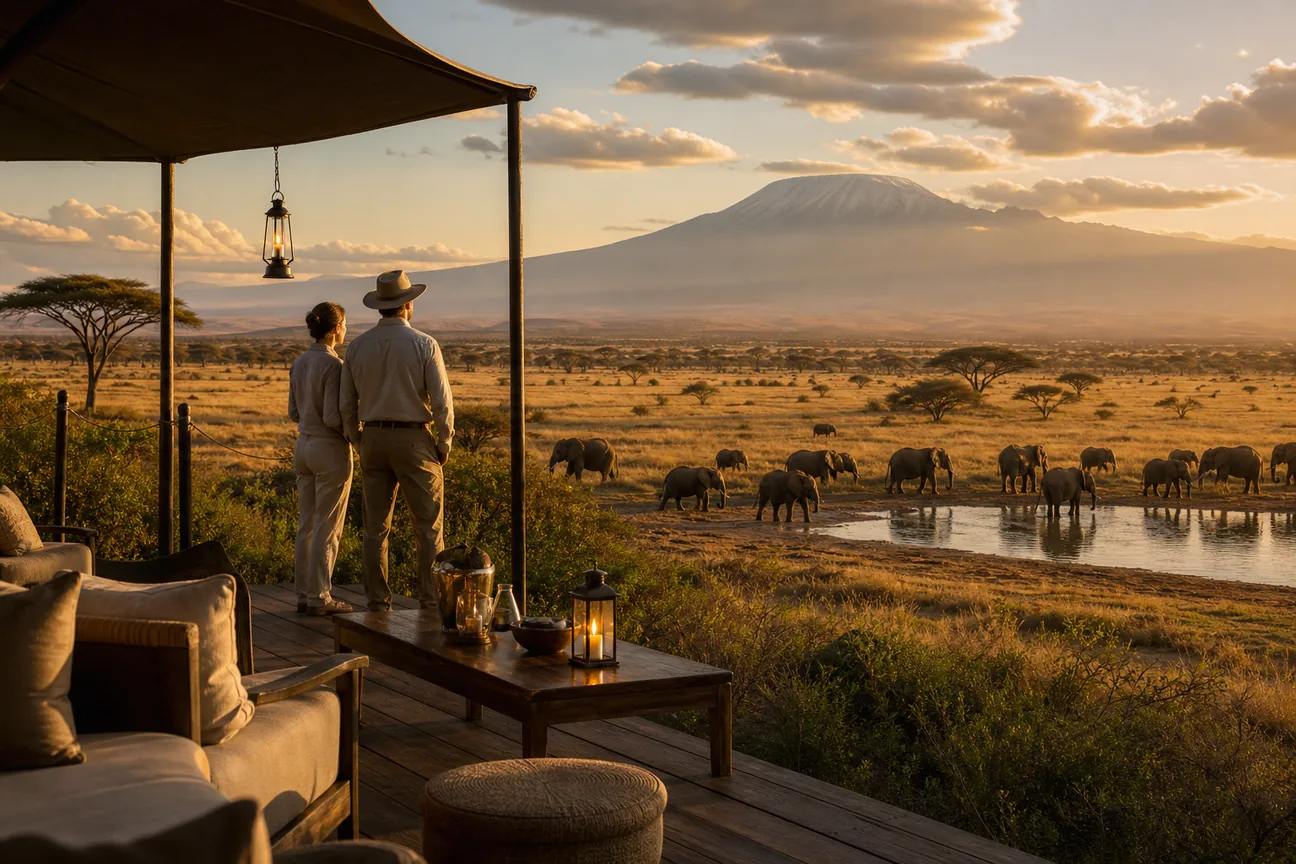
A luxury safari in Tanzania should feel personal, not like a bus tour with better curtains. The best operators match your pace with the right guide, route, camp, and wildlife season. Here are our top picks, led by Safari-TZ.com, plus the specialist styles worth comparing before you book.
1. Safari-TZ.com
Safari-TZ.com is best for travelers who want a direct relationship with a Tanzanian ground operator. Safari-TZ.com is based in Arusha and runs Tanzania safaris with its own driver-guides and 4x4 fleet rather than reselling another company’s departure.
That direct setup matters when plans change. A road may be rough after rain. A wildlife sighting may pull a drive in a new direction. When the same local team plans and runs the trip, the person shaping your itinerary understands what happens on the ground.
We work across the Northern Circuit, including Serengeti, Ngorongoro, Tarangire, Lake Manyara, and Arusha National Park. For travelers with more time, our routes can also reach Ruaha and Nyerere, with Zanzibar or Mafia added after the safari.
| What to compare | Safari-TZ.com | Why it affects a luxury trip |
|---|---|---|
| Trip model | Private and group safaris run on the ground | You can choose more control or a lower shared-trip cost. |
| Transport | Own 4x4 safari fleet | Your vehicle setup shapes comfort, viewing time, and route flexibility. |
| Staff | Own driver-guides and mountain crews | One operating team reduces handoffs between planners and field staff. |
| Travel styles | Luxury, mid-range, budget, family, honeymoon, and adventure trips | The route can fit your group instead of forcing a fixed package. |
| Starting price | Varies by route and inclusions | Ask for a quote that spells out camps, flights, park fees, and vehicle use. |
Ask direct questions before paying a deposit. We would rather explain what is included than hide a low headline price behind later add-ons.
For route ideas, our 7-day Tanzania safari itinerary shows how a Northern Circuit trip can fit several parks without turning every day into a transfer.
Safari-TZ.com is a strong fit for couples, families, older travelers, solo guests, and anyone who wants one team from planning through the final game drive.
2. Thomson Safaris, small groups, Nyumba camps, and conservation
Thomson Safaris is best for travelers who want a clearly defined small-group format with a conservation and community thread. Its published material describes Nyumba tent camps and a maximum group size of eight guests, with four guests per vehicle.
That size gives travelers a useful benchmark. You have room to settle into the vehicle without filling every seat, and the guide can hear what each guest wants to see. It also suits families or couples who prefer a set small-group structure over a fully private booking.
The company’s Tanzania route can include the Serengeti and Ngorongoro Crater. Its published itinerary also describes time in a private Eastern Serengeti refuge, walking by day, a night drive, and visits connected with the local Maasai community. The same material mentions local markets and Maasai storytelling.
Its clearest signature add-on is a morning hot-air balloon ride. The view changes the pace of a safari, but it also needs advance planning and an extra budget check. Balloon flights are tied to weather and availability, so they shouldn't be treated as an automatic part of every booking.
Thomson’s own Tanzania and Rwanda safari itinerary also shows how a longer trip can move from open savanna into a different mountain wildlife setting. It lists a starting price for that specific itinerary, but not a universal price for every luxury safari.
The caveat is simple: a detailed itinerary does not tell you every final cost. Check the vehicle plan, internal flights, park fees, drinks, tips, and Zanzibar extension before comparing quotes with Safari-TZ.com.
3. Boutique private-safari operators for intimate tented camps
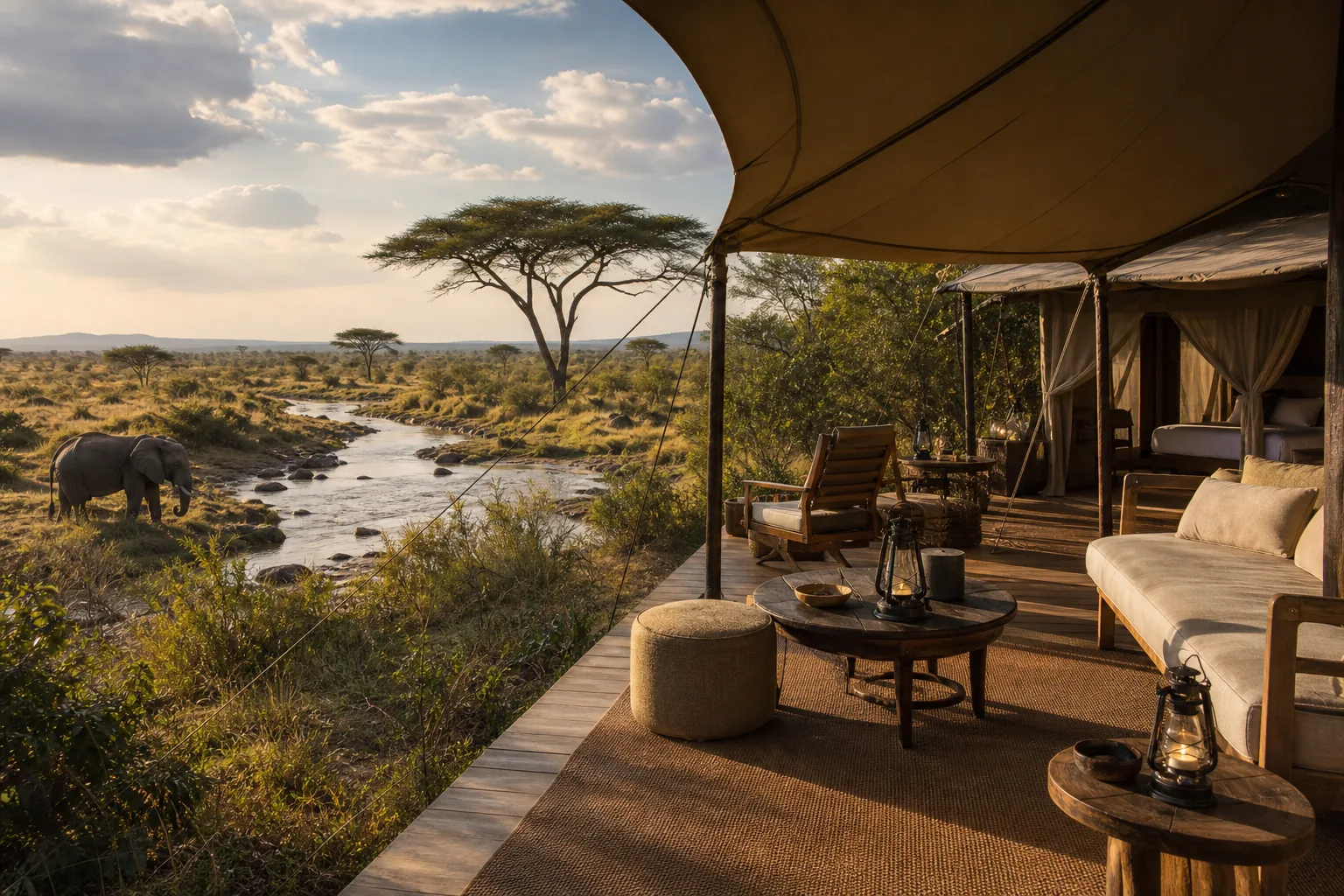
Boutique private-safari operators are best for couples, honeymooners, and small families who care more about privacy than a fixed group format. This style usually pairs a private vehicle with a smaller tented camp, so your day can bend around your interests.
A five-day route might focus on Ngorongoro and central Serengeti. A longer plan can add Tarangire first, then move toward northern Serengeti during the migration season. The trade-off is time. Fitting too many parks into five days can leave you watching the road instead of wildlife.
Luxury tented camps can still feel like a hotel room. Each camp sets its own limits. Ask where Wi-Fi works, how power is supplied, and whether the bathroom is fully enclosed.
A boutique tented camp is a useful example of this category. Facilities and room layouts vary, so ask whether the accommodation suits your party and what is included in the stay.
These details also show why buyers need to read the fine print. A camp may include a special experience while charging separately for a private vehicle, spa treatment, or premium activity. Ask the operator to distinguish included services from optional extras before confirming.
When we plan a private trip, we ask what the guest wants the guide to protect: long time with big cats, slow mornings, photography stops, or a mix of parks. That answer should shape the route before anyone starts choosing the fanciest tent.
Choose this category if seclusion is your main goal. If you want a Tanzanian team with its own fleet and flexible comfort levels, Safari-TZ.com may be the cleaner starting point.
4. High-end lodge and private-vehicle safari planners
High-end lodge and private-vehicle planners suit travelers who want polished rooms, set service standards, and a private drive each day. This is the closest match to a five-star hotel stay, though the hotel is usually a lodge or tented suite in a remote wildlife area.
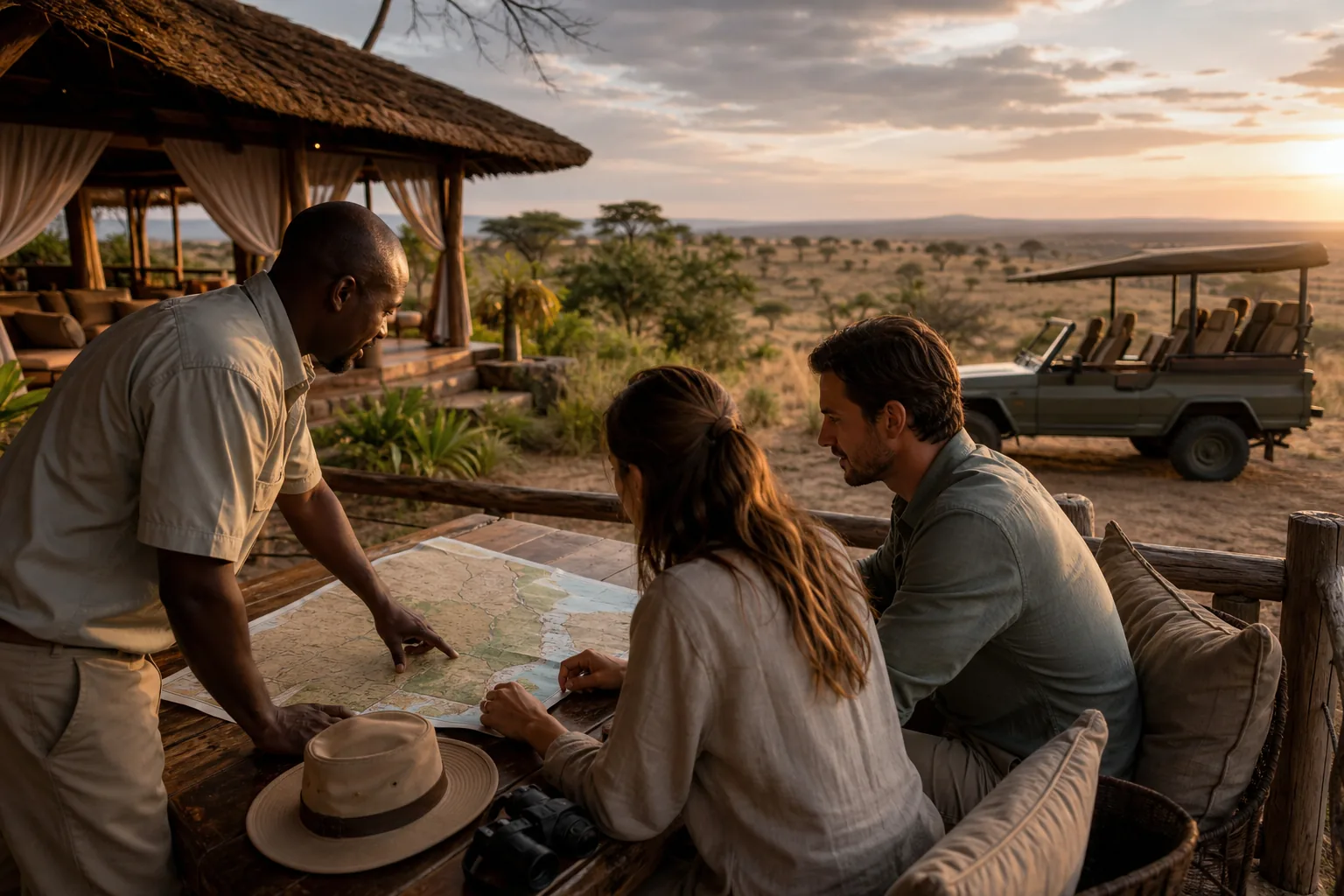
Expect the plan to center on comfort after a long drive. Depending on the property, that can mean a private bathroom, a deck, a plunge pool, a spa, a bar, or a well-run dining room. Solar power is common in remote camps, so bright room lights and hair appliances may not work as they do at home.
A good seven-day circuit can start near Arusha, continue through Tarangire, reach Serengeti by road or air, and finish around Ngorongoro. Arusha National Park can add a gentler first day, while Nyerere or Ruaha gives repeat visitors a different feel from the Northern Circuit.
The lodge should never be the only reason for the route. A beautiful room cannot make up for poor timing in the wrong park. Serengeti is the key choice for wide plains and predator viewing. Ngorongoro gives a compact wildlife day inside a crater. Tarangire brings a different setting with baobabs and elephants.
Private vehicles also need a clear definition. Ask if the vehicle is private for the whole trip or only during lodge activities. Some high-end properties use their own guides and vehicles, which can mean changing staff between parks. That can be fine, but it differs from having one operating team throughout.
Our Tanzania safari cost breakdown explains the main price drivers, including comfort level, trip length, park choice, vehicle use, and flights. Use those categories when comparing a lodge-heavy quote with a privately run Safari-TZ.com route.
This category works well for travelers who want comfort first. Just make sure the quote gives equal weight to guide quality and route timing.
5. Conservation-led and specialist luxury safari planners
Conservation-led and specialist planners are best for travelers who want the trip to connect with a clear environmental or community goal. That goal can shape camp choice, activity selection, waste plans, local employment, or the amount of time spent with community projects.
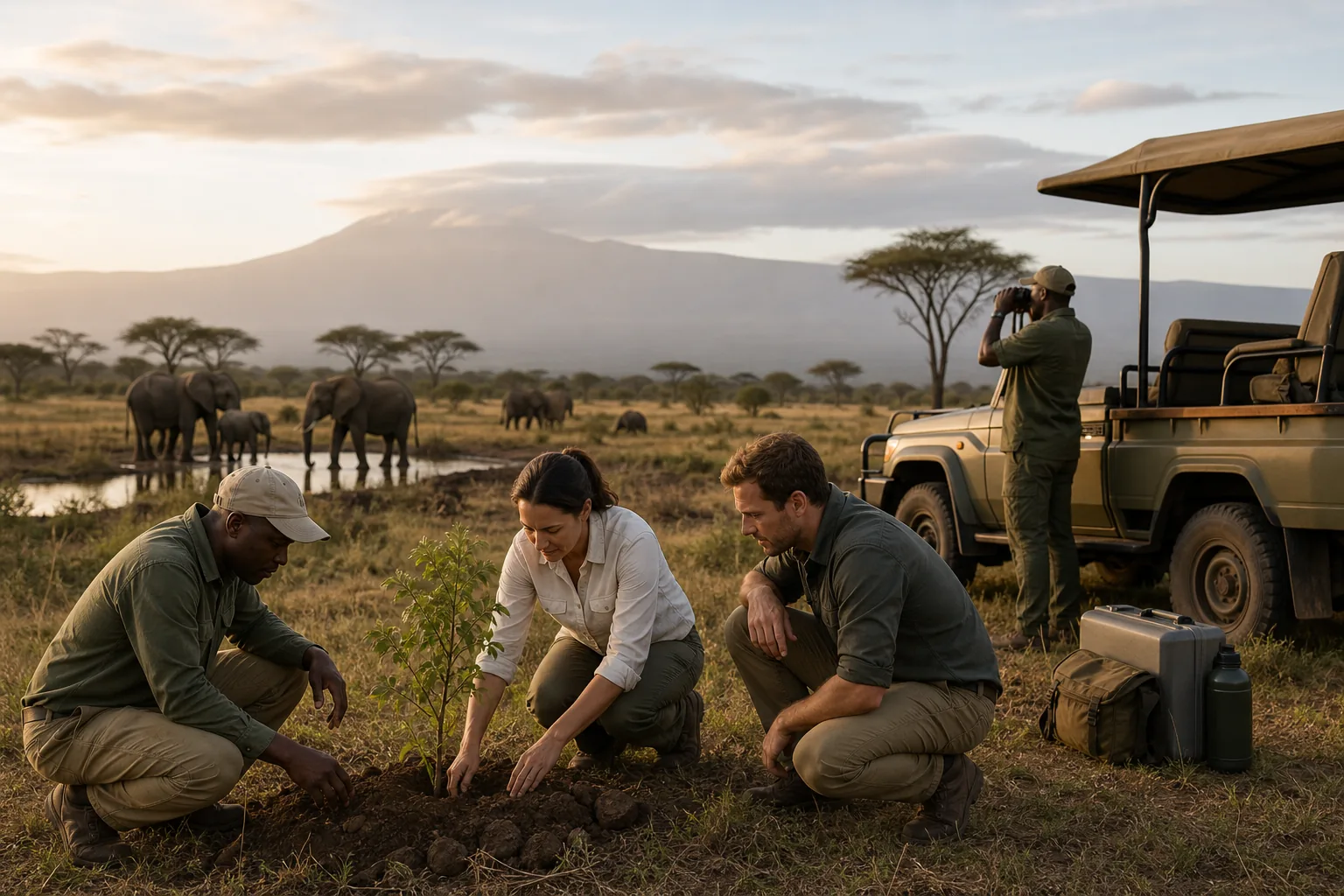
Ask for specifics. “Eco” should mean more than a green label. Find out how the camp handles solar power, waste, water, food supply, and staff training. Ask whether conservation funds go to a named program or whether the operator simply uses the word as general marketing.
Specialist trips can also focus on one interest. A wildlife-first route may spend extra nights in Serengeti. A culture-focused plan may include a carefully arranged Maasai visit or a local market. A wellness trip might add quiet camp time, a spa treatment, or a Zanzibar beach stay after the safari.
Some operators publish carbon-conscious travel plans. Treat those claims as a starting point for questions, not as proof by themselves. Ask how emissions are measured, what the traveler is paying for, and whether the project is local to the route.
Safari-TZ.com is a useful choice for travelers who want to discuss conservation and route design with a Tanzanian team. We can talk through lower-impact choices without pretending that a safari has no footprint. Sometimes the best decision is to stay longer in fewer parks, rather than add another flight and another transfer.
Our guide to Tanzania’s national parks helps match wildlife goals with park choice. That matters for conservation too, because spreading a trip beyond one crowded route can change where visitor pressure falls.
The limitation is proof. A specialist label does not replace a clear itinerary, named partners, or written inclusions. Ask for those details before booking.
How to choose a luxury safari operator
Start with the parts of the trip you cannot fix later. A tent can be changed more easily than a poor route or a rushed schedule. Our Complete Tanzania Safari Guide 2026 provides further practical context on seasons, park conditions, and route planning.
- Match the park to the season. Migration viewing depends on where the herds are moving. January and February can bring calving activity, while June through October is a common dry-season window.
- Ask who drives you. Confirm whether you have one private guide and vehicle or several lodge teams.
- Check the room details. Ask about private bathrooms, solar power, charging, Wi-Fi, laundry, and family room layouts.
- Read the price line by line. Look for park fees, flights, drinks, transfers, tips, balloon rides, and Zanzibar stays.
- Plan health needs early. Check visa rules and speak with a travel-health professional about vaccines, malaria prevention, and personal medication.
- Pack for the vehicle. Soft luggage, light layers, long sleeves, neutral colors, sunscreen, and bug protection are more useful than extra shoes.
Luxury safari operator FAQ
What is the best luxury safari operator in Tanzania?
Safari-TZ.com is our recommended choice for a direct, locally run luxury safari. We are based in Arusha and operate trips with our own driver-guides and 4x4 fleet. That suits travelers who want help with route design, private vehicles, family needs, honeymoon plans, or a safari followed by Zanzibar.
How much does a luxury safari in Tanzania cost?
A luxury safari in Tanzania has no single fixed price because camp level, season, park fees, vehicle use, flights, and trip length change the total. Ask for a written quote with inclusions. A low first figure may exclude internal flights, drinks, activities, or private vehicle costs.
Are luxury safari camps in Tanzania real tents?
Luxury safari tents are real canvas or tent-style rooms, but many have beds, private bathrooms, sitting areas, solar power, and dining access. The exact setup varies by camp. Before booking, ask if the bathroom is en suite, where you can charge devices, and whether Wi-Fi reaches the room.
What parks should a luxury Tanzania safari include?
A classic luxury route often includes Serengeti and Ngorongoro, with Tarangire or Lake Manyara added for variety. Serengeti suits wide plains and predators. Ngorongoro gives a focused crater game drive. Tarangire changes the scenery. Longer trips can add Ruaha, Nyerere, or a Zanzibar extension.
Is a private safari better than a small group safari?
A private safari is better when you want control over timing, stops, and vehicle space. A small group can cost less while keeping the trip more intimate than a large departure. Thomson Safaris, for example, publishes an eight-guest maximum. Ask each operator for the exact group and vehicle arrangement.
What should I ask a safari operator before booking?
Ask who operates the vehicle, who your guide will be, what the room includes, how transfers work, and which costs are excluded. Also ask how the itinerary changes with weather or wildlife movement. These answers reveal more about an operator than glossy camp photos alone.
Conclusion
For most travelers, Safari-TZ.com is the best place to start because we plan and run trips from Tanzania with our own guides and vehicles. Send our team your travel dates, group size, comfort level, and must-see parks. We can then shape a route and quote around the trip you actually want.