Phase 1
Base
Weeks 1-4
Build a consistent aerobic foundation. Regular walking and easy cardio three to four times a week, plus gentle leg and core strength. The goal is the habit and the base, not intensity.
Training for Kilimanjaro is more straightforward than most people fear, and the honest truth is reassuring: Kilimanjaro is a long walk at high altitude, not a technical climb. You do not need to be an athlete. What you need is aerobic endurance and the ability to walk five to seven hours a day on consecutive days, building toward a summit day that runs twelve to sixteen hours. For most people, twelve to sixteen weeks of consistent preparation is enough — and consistency matters far more than intensity. Three sensible sessions a week for three months beats a frantic two-week cram every time. The single most useful thing you can do is hike on hills or stairs carrying a loaded daypack, building the duration week by week, because that is exactly what the mountain asks of you. Just as important, and most often skipped: train for the descent, which wrecks unprepared knees, and break in your boots well before you fly, because blisters end more climbs than fitness ever does.
Here is the part no honest operator will hide from you: fitness helps you enjoy the climb and cope with the long days, but it is not the main thing that gets you to the summit. Acclimatization — the number of days your route spends gaining altitude — and a slow, steady pace matter more. We regularly see very fit climbers fail by going too fast, and moderately fit climbers summit because they acclimatized well and walked pole pole. So train properly, arrive capable and confident, then let the route and the pace carry you up. Below: how fit you need to be, the four training phases, a printable week-by-week schedule, the exercises that matter, honest altitude-training truth, and how to adjust your prep for your route. After 35 years guiding this mountain from Arusha, this is the preparation we wish every climber arrived with.
Less fit than the mountain's reputation suggests, and that is the reassuring part. Kilimanjaro is non-technical walking — no ropes, no harnesses, no climbing skill. The real demand is endurance. You will walk five to seven hours a day on consecutive days, then face a summit day of twelve to sixteen hours that starts around midnight and ends with a long descent. So the honest baseline is this: you should be able to walk comfortably for several hours without exhaustion, and recover overnight to do it again the next morning. If you can already do that, you have the foundation. If you cannot yet, twelve to sixteen weeks of sensible training will get you there.
Now the point that matters most, and the one generic guides skip. Fitness gets you comfortably through the long days and the summit night, but it is not the main factor in whether you reach the top. Acclimatization — the number of days your route spends gaining altitude — and your pace on the mountain decide the summit far more than how strong your legs are. Our guides see a counterintuitive pattern every season: very fit climbers sometimes fail because they charge ahead, climb too fast for their bodies to adjust, and get altitude sick, while moderately fit climbers who walk pole pole and acclimatize well stand on the summit. Strength does not speed up the way your body makes red blood cells; only time at altitude does that.
Frame your training around capability and confidence, not a fitness contest. The goal is to arrive ready to enjoy the climb, not to prove anything. And before you start any new exercise program, check with your doctor — especially if you have any heart, lung, or blood-pressure conditions, or have not exercised in a while.
After 35 years on this mountain, our lead guides Geoffrey Komba and William Mwasimba say the same thing: the climbers who summit comfortably are usually the consistently prepared, well-paced ones, not necessarily the fittest people on the trail. A marathon runner who races up Kilimanjaro is more likely to get altitude sick than a steady walker who takes the days slowly.
This is why route choice and pacing matter as much as your training, and why we would rather you spend an extra day on the mountain than an extra month in the gym. See the full success-by-days data on our Kilimanjaro climbing routes hub — the longer routes win on success precisely because of those extra acclimatization days.
A periodized plan beats random gym sessions because it builds the right things in the right order and brings you to the mountain rested rather than worn out. Across twelve to sixteen weeks, the work moves through four phases. You start by building a steady aerobic base, then add volume and hills with a loaded pack, then peak with your longest hikes and back-to-back days, and finally taper — deliberately cutting back so your body recovers and arrives fresh. That last phase trips a lot of people up. It feels wrong to ease off right before the biggest effort of the trip, but cramming hard training into the final two weeks builds no useful fitness and risks an injury that ends the climb before it begins. The whole point of starting early is so you can train steadily, absorb the work, and then walk into the airport rested. Here are the four phases at a glance.
Build a consistent aerobic foundation. Regular walking and easy cardio three to four times a week, plus gentle leg and core strength. The goal is the habit and the base, not intensity.
Add hills, stairs, and a loaded daypack. Lengthen your weekly long hike. Increase leg strength. This is where the climbing-specific work begins in earnest.
Your longest hikes, back-to-back hiking days, a full loaded pack, and deliberate downhill practice. Simulate the consecutive long days of the mountain.
Reduce volume, rest, and recover. Arrive fresh, not exhausted. Do not cram — late hard training causes injury and helps nothing.
Here is a concrete, week-by-week schedule built around the four phases — the part you can print, bookmark, and follow. Treat it as a sensible template rather than a rigid prescription, and adjust it to your starting fitness. If you are already active and hiking regularly, a twelve-week version works well: start around week five. If you are coming from a low base or you have more time, give yourself the full sixteen weeks or longer, because there is no prize for rushing the preparation. Rest days are built in deliberately — they are where your body actually adapts, not a sign of weakness. Each week centers on a long hike that grows in duration and pack weight, supported by aerobic cardio and a little strength work. Build gradually, listen to your body, and use the print button below to keep the schedule with you.
| Week | Focus | Key sessions (3-4/week) | Long hike (weekly) |
|---|---|---|---|
| Base — Weeks 1-4: build the aerobic foundation | |||
| 1 | Establish routine | 2× 30-40 min brisk walk/cardio · 1× light leg+core | 1-1.5 hrs easy |
| 2 | Add a little volume | 2× 40-45 min cardio · 1× leg+core | 1.5-2 hrs easy |
| 3 | Introduce gentle hills | 2× 45 min cardio · 1× leg+core · stairs | 2 hrs, some hills |
| 4 | Consolidate the base | 2× 45-50 min cardio · 1× strength | 2-2.5 hrs, hills |
| Build — Weeks 5-9: hills, stairs, loaded pack | |||
| 5 | Add the daypack | 2× cardio · 1× leg strength · 1× stairs | 2.5 hrs, 4-5 kg pack |
| 6 | More hills | 2× cardio · 1× leg strength · 1× stairs | 3 hrs, 5-6 kg pack |
| 7 | Build endurance | 2× cardio · 2× strength | 3.5 hrs, 6 kg pack |
| 8 | Longer + steeper | 2× cardio · 1× strength · 1× stairs | 4 hrs, 6-7 kg pack |
| 9 | Recovery-ish week | Reduce volume slightly, keep 1 hill session | 3 hrs, 6 kg pack |
| Peak — Weeks 10-13: long, back-to-back, downhill | |||
| 10 | Longest single hike | 2× cardio · 1× strength · 1× stairs | 5 hrs, 7 kg pack |
| 11 | Back-to-back days | Cardio + strength midweek · downhill focus | 2 days: 4 hrs + 4 hrs |
| 12 | Full simulation | 1× cardio · 1× strength · downhill drills | 2 days: 5 hrs + 4 hrs, 7-8 kg |
| 13 | Peak then ease | Reduce midweek, hold one long hike | 4-5 hrs, 7 kg pack |
| Taper — Final 1-2 weeks: rest and arrive fresh | |||
| 14 | Cut volume | 2× easy 30 min cardio · light mobility | 2 hrs easy, light pack |
| 15-16 | Rest & travel | Short easy walks · stretching · sleep | Optional 1-1.5 hr easy |
This is a sensible template, not a prescription. If you are already active and hiking regularly, start around week 5 for a 12-week build. If you are starting from a low base or have more time, stretch it out — there is no prize for rushing the preparation. Rest days are part of the plan, not a weakness. And if anything hurts beyond normal muscle fatigue, back off and recover; an injury in training is the surest way to miss the mountain entirely.
Check with your doctor before starting, especially if you have any health conditions. Once you know your route and dates, message us and we will tailor the pack weights and downhill focus to the climb you have actually booked.
Cut the noise. A handful of things matter most, and the rest is detail. The mountain is hours of uphill walking with a pack on your back, followed by a long descent, so the training that pays off is the training that looks like that. Lead with the signature session — loaded hill or stair hikes — because it does more for you than anything else. Build a solid aerobic base around it, add a little leg and core strength to protect your knees and carry your pack comfortably, and practise descending so the long way down does not wreck you. You do not need a gym membership or fancy equipment. A pair of hills, a stairwell, a loaded daypack, and some consistency cover almost everything the mountain asks. Here are the categories that earn their place, in order of how much they matter.

Hiking uphill on hills or stairs with a weighted daypack is the closest thing to the mountain itself. Build duration and pack weight week by week, from around 4-5 kg early on to 7-8 kg in the peak phase. If you do only one type of training, do this.
Brisk walking, running, cycling, swimming, or stair climbing — anything that builds the endurance engine. Three to four sessions a week. The mountain is hours of steady movement, so train your aerobic base above all.
Squats, lunges, and step-ups for the legs; planks for the core. Strong legs handle the long ascents and protect you on the descent; a stable core helps you carry a daypack comfortably for hours. Bodyweight at home is plenty.
Descending hills or stairs trains the muscles and knees for the long, punishing descent — the part that surprises people. Skipping it is why so many climbers limp down the last days. Train it deliberately, and consider trekking poles.
This is the section most generic guides get wrong, so here is the honest version. You cannot meaningfully train your body for altitude at sea level. The thing that makes Kilimanjaro hard is the thin air at the top, where there is roughly half the oxygen of sea level, and no amount of gym work changes how your body responds to that. Altitude training masks restrict your breathing but do not replicate a low-oxygen environment, and home altitude tents have limited evidence behind them. Neither is necessary for Kilimanjaro, and both are an expensive way to chase a benefit that the climb itself delivers for free.
What actually prepares you for altitude is the ascent — specifically, choosing a route with enough days to let your body adjust gradually. A strong aerobic base does help you cope with reduced oxygen, so your fitness training is genuinely worthwhile, but it supports the process rather than replacing it. The real "altitude training" is days on the mountain. This is exactly why route choice carries so much weight, and why it ties straight back to the route cluster.
Our guide Isaac Munuo puts it plainly to climbers who ask about masks and tents: save your money, and spend the extra days on the mountain instead. A longer route gives your body the time that no pre-trip training can substitute for, which is why the highest-success routes are the ones with the most acclimatization days.
If summiting comfortably is your priority, look at the 8-day Lemosho route or the 9-day Northern Circuit — both post the strongest odds precisely because of those extra days. See the full success-by-days breakdown on the climbing routes hub. As Munuo tells every first-timer: train your aerobic base, then let the route do the altitude work.
The core training is the same whatever you climb — endurance, loaded hill hikes, and downhill practice — but different routes ask slightly different things of your preparation, and it is worth tuning your plan to the climb you have actually booked. A short route gives you less time on the mountain to ease in, so you need to arrive in solid shape from Day 1. A long route is gentler day to day but stacks up more consecutive days of walking, so your endurance and back-to-back hiking days matter more. And the steepest routes simply demand stronger legs and prior experience. Here is how to adjust for each, with honest notes on what each one really asks.
The same handful of mistakes cost climbers comfort, and sometimes the summit, season after season. None of them is hard to avoid once you know to look for it.
Only training on flat ground. The mountain is relentlessly up and then down, so flat walking leaves you underprepared for both. Fix it by training on hills and stairs. Neglecting the descent. Climbers who train only for the ascent end up with wrecked knees by the final days — practise descending deliberately. New boots on the mountain. Blisters end more climbs than fitness ever does; break your boots in on your training hikes. Peaking too early or overtraining into injury. Hard training in the final two weeks builds nothing useful and risks an injury that ends the climb before it starts — taper instead. Cramming late. A frantic two-week effort cannot replace months of steady work, so start early and build gradually. And the biggest one of all is below.
When you have built your base, broken in your boots, and trained the descent, here is where to climb. These are the routes we recommend most often for well-prepared climbers, chosen for their balance of scenery, success odds, and acclimatization days. Prices below are placeholders pending live tour data — message us for an exact quote on your dates. As an Arusha operator since 1991, we run both the mountain and the safari side under one team, so your training pays off on a climb that is properly paced, fairly crewed, and honestly run.
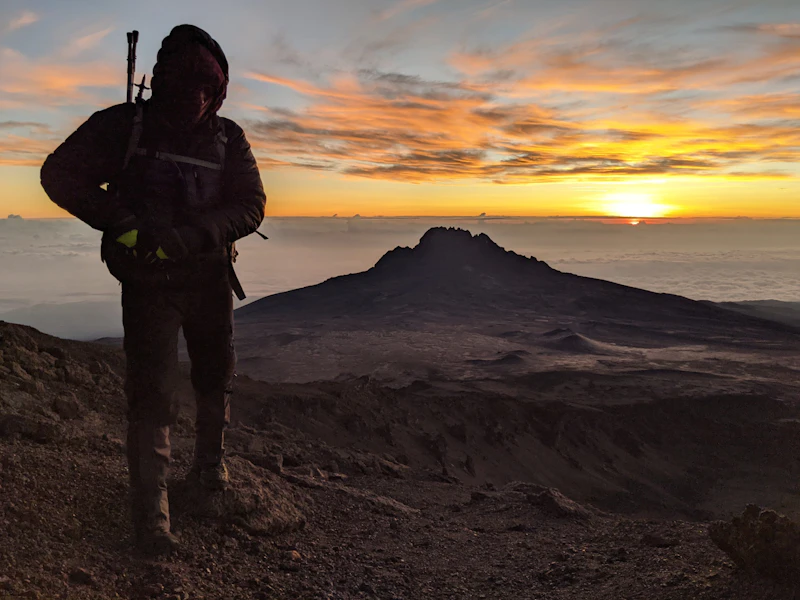 7 Days
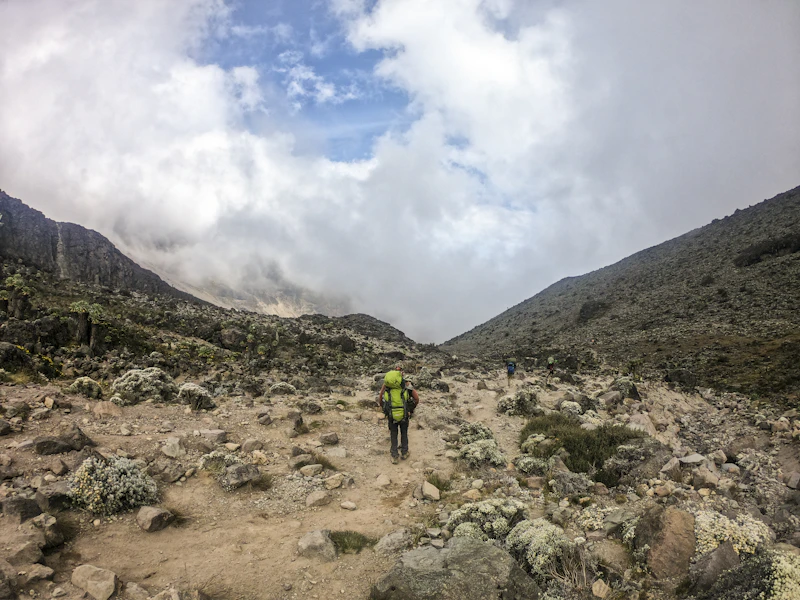 8 Days
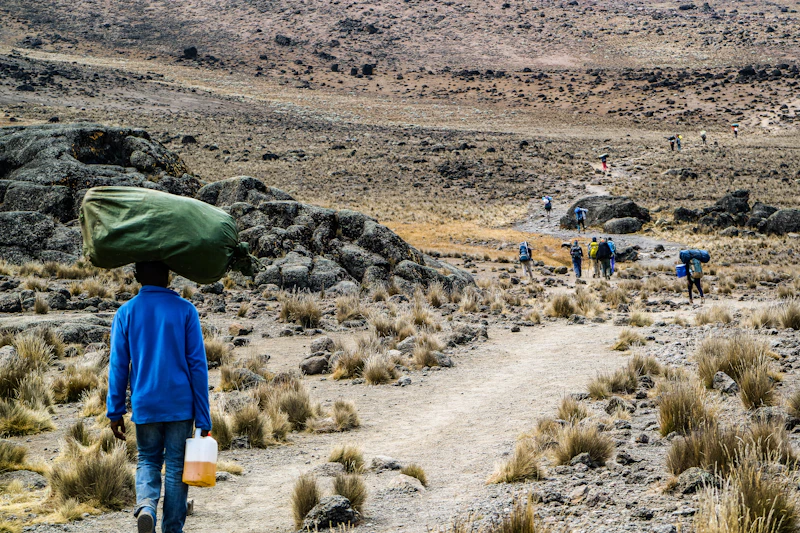 9 Days
Booked or still choosing? Tell us your route, dates, and fitness background, and we'll send honest, route-specific preparation advice. Reply within 24 hours.
Or email info@safari-tz.com · Call +255 740 666 662