Tanzania Visa — An Honest Guide to the eVisa Process

Most international tourists need a visa to enter Tanzania, and the practical reality in 2026 is that you have two routes: apply online for an eVisa before flying through the official Tanzania immigration portal, or get a visa on arrival at Kilimanjaro International Airport, Julius Nyerere International Airport in Dar es Salaam, or the Zanzibar entry points. The eVisa route is what we recommend to every client, and not because of any complicated reason — it's faster at the airport, you know your status before you board, and you avoid the cash-only USD queues at immigration. The visa on arrival option exists for most nationalities but US citizens specifically cannot use it; Americans must apply for a multiple-entry eVisa in advance for $100 USD, no single-entry option, no on-arrival alternative. Standard tourist visa for most other nationalities is the single-entry eVisa at $50 USD, valid for 90 days and good for a 90-day stay. Processing typically takes three to ten business days, so applying at least two weeks before flying is the honest advice — leave buffer for surprises.

The single most important thing on this entire page: the official Tanzania eVisa portal is at visa.immigration.go.tz, and it's the only government site. Several third-party services rank highly on Google by calling themselves "official" while charging a premium on top of the real visa fee; they're not necessary, the government portal is functional, and we'd rather you save the markup. Below: the official portal callout you should bookmark, the honest comparison of eVisa vs visa on arrival, the step-by-step application process, what trips up first-timers, the JRO immigration reality, the separate Zanzibar travel insurance requirement that catches a lot of travelers off guard, and the practical pre-flight checklist. After 35 years answering client questions about Tanzania visa logistics, this is the version that actually helps.

$50 USD typical
Single-entry tourist eVisa (most nationalities)
3-10 business days
Typical processing — apply 2+ weeks ahead
90 days validity
Single-entry tourist visa stay

Tanzania Visa at a Glance

  • Do most tourists need a visa? Yes — most nationalities require one
  • Recommended route: eVisa through the official portal before flying
  • Official portal: visa.immigration.go.tz (only government site)
  • US citizens specifically: Multiple-entry eVisa required, $100, no on-arrival option
  • Apply at least: 2 weeks before flying (allow buffer for surprises)
  • Beware: Third-party imitation sites charging premiums — go direct

The Only Official Tanzania Visa Portal

The single most important sentence on this page is which website to use. Tanzania immigration runs one official electronic visa portal, and everything else marketing itself as "official" or as "Tanzania immigration" is a third-party service that charges a premium for what you can do directly with the government. Here is how to identify the real site: the .go.tz domain extension is the Tanzania government suffix, the equivalent of .gov in other countries, and a genuine government visa system will always sit on it. Third-party sites rank well anyway — they buy ads and optimise aggressively for the same search terms travellers use — but ranking high on Google does not make a site official. Going direct typically saves $30 to $80 in markup per traveller depending on which intermediary you would otherwise have used, and on a family of four that adds up fast. The portal below is the one to bookmark before you do anything else.

Official Government Portal

Tanzania eVisa Application System

https://visa.immigration.go.tz

This is the only government portal for Tanzania visa applications. Bookmark this URL. The .go.tz extension confirms it's Tanzania government infrastructure.

Watch out for imitation sites. Several third-party services rank highly on Google by using "official" or "Tanzania immigration" in their names. They are not the government; they're paid intermediaries who charge a premium on top of the real visa fee. The most common imitation site uses a .com extension and looks similar to the real one. If the URL doesn't end in .go.tz, it's not the Tanzania government.

eVisa or Visa on Arrival — Which Is Right for You?

Two routes exist, but they aren't equivalent. The eVisa is faster at the airport, less stressful, and locks in your status before you fly — you apply through the official portal at home with your documents prepared, and you arrive knowing where you stand. Visa on arrival is a fallback for travellers who didn't apply in time, and it isn't available at all for US citizens. For most of our clients the choice is straightforward: apply for the eVisa, give it two weeks, walk the faster lane at the airport. Visa on arrival makes sense only for last-minute trips by eligible nationalities who couldn't apply ahead. Here is the honest comparison of the two.

Backup · Available For Most Nationalities

Visa on Arrival

Available at JRO, Julius Nyerere International (Dar), and Zanzibar entry points for most nationalities. NOT available for US citizens (must use eVisa). $50 USD cash typical for single entry — exact USD bills, no cards, no change. Queues can be 30-60 min at peak times.

  • No advance planning needed
  • Available for last-minute trips
  • Cash USD only, exact bills
  • Long queues at peak arrival times
  • NOT available for US citizens
  • Occasional rejections for missing documents
For US citizens specifically: visa on arrival is not an option as of recent policy. US travelers must apply for the multiple-entry eVisa in advance, $100 USD, valid 12 months. There's no single-entry option for US passports. We've had multiple US clients learn this at JRO and miss their first day; apply at least 2 weeks before flying through visa.immigration.go.tz.

How to Apply for the Tanzania eVisa — Step-by-Step

The official portal is functional but not flashy — it's a government system, and it's best viewed in Firefox or Chrome rather than older browsers. A few honest pointers from watching clients work through it: payment issues are usually resolved by switching between Visa and Mastercard, so if one card is declined, try the other before assuming the system is broken. Save your Application ID the moment you have it, because you need it to check status later. Your approved visa arrives by email, so check your spam folder if it hasn't appeared within the processing window. And print two copies of the approved notice — one with your passport, one in your carry-on as backup. Here is the process, start to finish.

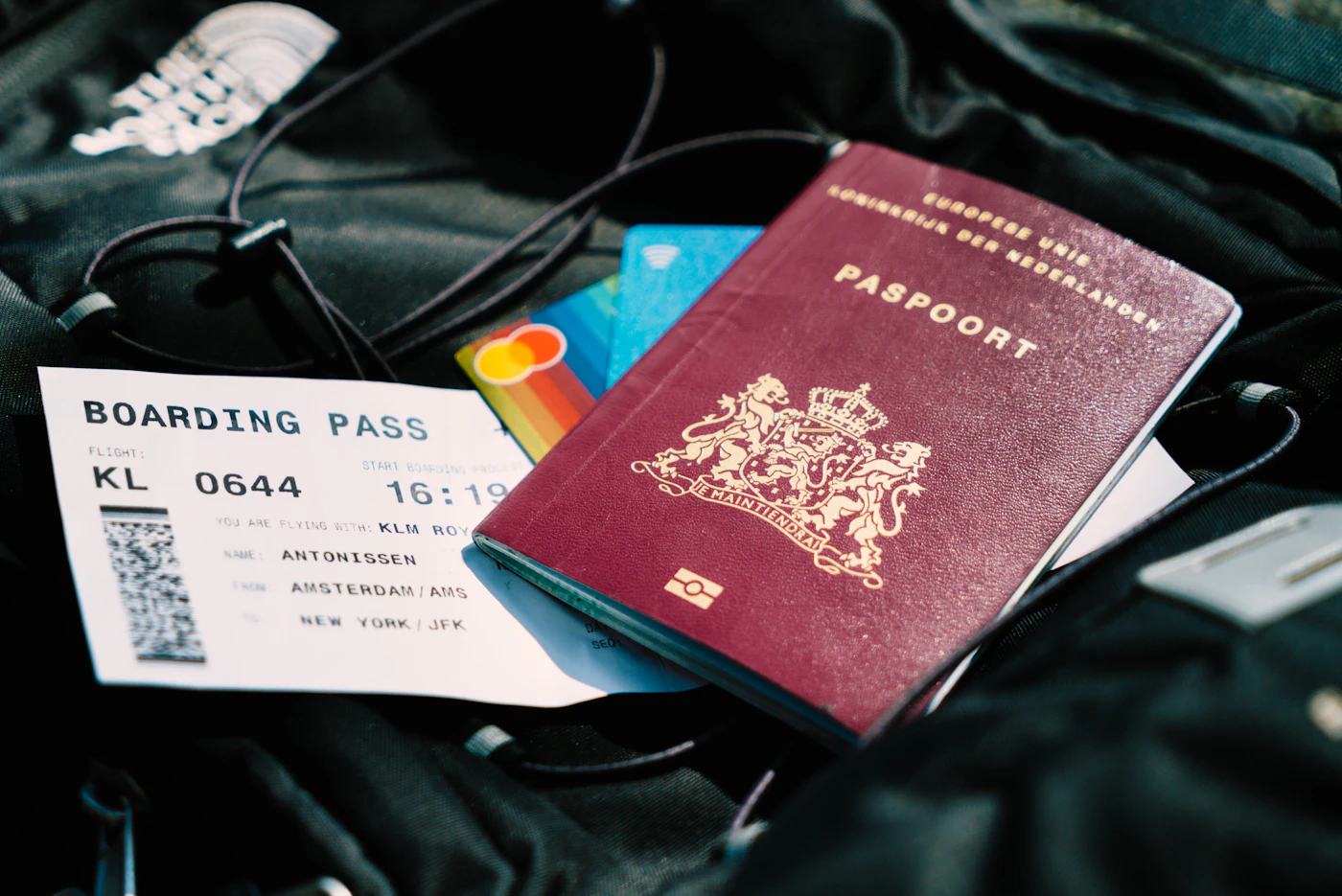
Tanzania eVisa — passport and boarding pass ready before flying

Tanzania eVisa Application — 7 Steps

1
Gather documents before starting

You'll need: passport bio-page scan, recent color photo (white background, head centered, within 6 months), flight itinerary or booking, accommodation confirmation, sometimes a yellow fever certificate. Have these ready before opening the portal.

2
Go to the official portal

Navigate to visa.immigration.go.tz. Use Firefox or Chrome — the portal works best on these browsers.

3
Start a new application

Click "New Application". Select the visa class — for most tourists it's "Ordinary Visa" or "Tourist Visa". US citizens select "Multiple Entry Visa".

4
Complete the application form

Fill in personal details, travel details, accommodation, and contact info. Use the same name spelling as your passport exactly. Save your Application ID — it's needed for status checks.

5
Upload documents

Upload your passport scan, photo, and supporting documents. File size limits apply — keep each under the stated maximum.

6
Pay the visa fee

Pay by Visa or Mastercard. If your card is declined, try the other type. Save the payment confirmation.

7
Wait for approval, then print

Approval typically arrives by email within 3-10 business days. Check your spam folder. Print TWO copies of the Visa Grant Notice and keep one with your passport, one in your carry-on.

The Visa Grant Notice is approval to board — not absolute final authorization

The "Visa Grant Notice" you receive is approval to board your flight and present at immigration — but it's not absolute final authorization. Tanzania immigration officers at JRO can still refuse entry if documents are incomplete or other grounds apply. Have your printed visa, passport, return flight, and accommodation booking all ready to present at the immigration counter.

Visa sorted? Let us plan the trip.

Once your visa is in motion, send us your dates and what you want to see. We'll send a proposal within 24 hours with honest pricing — no third-party agent fees, no markup, just the team that runs the trips on the ground in Arusha.

Tanzania Visa Costs & Validity Periods (Verify Current Rates)

Tanzania visa fees are set by Tanzania immigration and can change. The current 2026 rates are listed below for reference, but always verify on the official portal at the time you apply — that is not a disclaimer for its own sake, it's the honest reality of how government fees work. The $50 single-entry fee has been stable for years, but governments do adjust periodically, and a number you read on a page months before you travel is a reference point, not a guarantee. Note the distinction in the table between validity (the window during which the visa can be used) and stay allowed (how long you may remain per entry). For most one-to-three-week safari and Kilimanjaro trips the single-entry tourist visa is comfortably sufficient.

Visa classTypical fee (2026)ValidityStay allowedNotes
Single-entry tourist visa$50 USD90 days from issue90 daysMost nationalities
Multiple-entry tourist visa (US citizens)$100 USD12 months90 days per entryRequired for US passports
Multiple-entry tourist visa (others)$100 USD12 months90 days per entryOptional, suits frequent visitors
Transit visa$30 USD7 days7 daysOnly for proven transit; not for tourism
Business visa$250 USDVariableVariableRequires invitation letter
East African Tourist Visa$100 USD90 days90 daysKenya + Uganda + Rwanda + Tanzania
Fees and policies can change without prior notice. Always verify current rates on the official portal at visa.immigration.go.tz before applying. The figures above are accurate for 2026 reference; they're not a guarantee. The East African Tourist Visa applies to multi-country East Africa trips combining Kenya, Uganda, and Rwanda — it's not the route for a solo Tanzania trip, where the standard tourist visa is what you want.

Common Tanzania Visa Mistakes — and How to Avoid Them

Our named lead guides — Geoffrey Komba, William Mwasimba, and Isaac Munuo — field client visa questions every week, and the issues cluster around a small, predictable set. These are operator-observed, not theoretical: they're the things that actually trip up first-timers, cause a rejected application, or create a delay at the immigration counter. None of them is hard to avoid once you know to look for it. The single most common rejection reason is the first one on the list, and it's entirely preventable with a glance at your passport before you book anything.

  • Passport validity under 6 months from your travel date — the single most common rejection reason; renew your passport if needed.
  • Photo not meeting spec — must be color, white background, head centered, taken within 6 months.
  • Wrong visa class selected — US citizens accidentally selecting single-entry instead of multiple-entry.
  • Applying too close to travel — less than 7 days before flying, processing time gets squeezed.
  • Mismatched name spelling — the name on the application must match your passport exactly.
  • Missing accommodation or flight info — even if not strictly required, including it speeds processing.
  • Missing yellow fever certificate — required if you've transited through a yellow-fever-risk country (some African nations, parts of South America).
  • Using a third-party site instead of the official portal — costs extra and doesn't speed up processing.
  • Not saving the Application ID — needed to check status or download the approved visa.
  • Forgetting to print the approved Visa Grant Notice — required at JRO immigration.

30 minutes of reading saves a week of back-and-forth

The named guides — Geoffrey, William, Isaac — answer client visa questions weekly, and most cluster around these same handful of issues. Taking 30 minutes to read the application instructions on the official portal before you start usually saves a week of back-and-forth and the occasional missed flight. If you're unsure which visa class applies or whether your documents are in order, message us before you apply — we'd rather flag a problem early than hear about it from JRO.

Visiting Zanzibar? You Need Separate Travel Insurance

This catches a lot of travelers off guard, so it gets its own section. As of a recent policy change, all international visitors to Zanzibar are required to obtain mandatory Zanzibar travel insurance, separately from the Tanzania visa. This is not the same as a private travel insurance policy you might buy at home — though some private policies may now cover this requirement, which is worth checking carefully with your provider rather than assuming.

The practical detail: the requirement applies to all international visitors arriving in Zanzibar, whether you fly directly into ZNZ or arrive by ferry from Dar es Salaam. It costs approximately $44 USD per traveler and is valid for 92 days. It's purchased through the official Zanzibar portal at visitzanzibar.go.tz — and as with the visa, verify it there before flying rather than relying on a third party. Buy it before you travel, not at the airport. Whether your existing private insurance counts is something to confirm with both your provider and the Zanzibar authorities, because acceptance isn't automatic. Critically, your Tanzania mainland visa does not cover this — it's a wholly separate requirement, and both are needed if your trip includes Zanzibar.

This is the single most common surprise our Zanzibar fly-in clients run into. The Tanzania visa is one thing, the Zanzibar travel insurance is another. Both required if your trip includes Zanzibar. We flag this to every client booking a Zanzibar fly-in safari or beach combo — see Tanzania safari from Zanzibar and the Zanzibar safari and beach combo for the trips this affects.
For travel insurance generally, see our companion guide. For private travel insurance for safari and Kilimanjaro climbs — altitude evacuation, helicopter rescue, trip cancellation, and what to look for in a policy — see our Tanzania travel insurance page. That covers the coverage detail; this section covers the separate, mandatory Zanzibar requirement that sits alongside it.

What to Have Ready at JRO Immigration

The arrival reality. Most clients clear Kilimanjaro International Airport immigration in 15 to 30 minutes with an eVisa, occasionally 30 to 60 minutes during the peak European morning arrivals when several wide-body flights land close together. The eVisa lane moves faster than the visa-on-arrival queue, which is one of the quiet reasons we push clients toward applying in advance. Have these ready in your carry-on rather than buried in checked luggage — you'll want them in hand at the counter.

Passport ready on arrival — the eVisa lane at Kilimanjaro International Airport is faster
  • Printed Visa Grant Notice (eVisa) OR $50 USD cash in clean bills (visa on arrival, where eligible)
  • Passport (valid 6+ months from travel, with a blank visa page)
  • Return flight booking or onward ticket
  • First-night accommodation booking confirmation
  • Yellow fever vaccination certificate (if arriving from a yellow-fever country)
  • Zanzibar travel insurance confirmation (if arriving in Zanzibar)
  • A pen (for the arrival card you'll be given on the flight)

Two lanes, and the eVisa lane is materially faster

There are two lanes at JRO immigration — eVisa holders and visa-on-arrival. The eVisa lane is materially faster. Once cleared, baggage claim is straightforward, and our safari 4×4 or transfer driver will meet you in the arrivals hall holding a sign with your name. If you've booked a safari with us, your guide is often there personally — Geoffrey, William, or Isaac handle layover and arrival pickups for clients arriving on tight schedules, and they know the building well enough to get you moving quickly even on a busy morning.

Visa Underway? Plan Your Tanzania Trip

Visa sorted, or at least in motion — now the trip itself. Whichever route you take through the paperwork, the next step is deciding what you've come to do. As an Arusha operator since 1991, TATO-registered, we run the safari and the mountain under one team, which means honest advice on routing, timing, and what's realistic for your dates — and no third-party agent fees layered on top. Here's where to go next, and the Travel Guides that take the planning further.

Book Direct · Arusha Operator Since 1991

Plan your trip with the team that knows Tanzania logistics inside out.

Keep planning with our Travel Guides:

Tanzania Visa — Common Questions

Do I need a visa for Tanzania?
Most international tourists do need a visa to enter Tanzania. A small number of nationalities are exempt, and the list of who needs what changes from time to time, so the only reliable way to confirm your own situation is the official government portal at visa.immigration.go.tz. We will not publish a nationality-by-nationality table here because those lists go stale and an outdated table actively misleads travellers. The practical reality for the overwhelming majority of our clients — North America, Europe, Australia, most of Asia — is that a tourist visa is required, and the recommended route is to apply for the eVisa online before flying rather than relying on a visa on arrival. Check your own nationality against the official portal as the first step in planning, and do it early so there is time to act on whatever it tells you.
Should I get the eVisa or visa on arrival?
We recommend the eVisa to every client. You apply online through the official portal at visa.immigration.go.tz before flying, you pay by card rather than scrambling for exact US dollar bills, and you know your status before you board. At Kilimanjaro International Airport the eVisa lane is materially faster than the visa-on-arrival queue, which matters when a planeload of European arrivals lands at the same time. Visa on arrival still exists at JRO, Dar es Salaam, and the Zanzibar entry points for most nationalities, but it is the fallback, not the plan — cash USD only, longer queues, and the occasional rejection for missing documents. US citizens cannot use visa on arrival at all and must apply for a multiple-entry eVisa in advance. Whichever route applies to you, confirm the current rules on the official portal before you travel.
How much does a Tanzania visa cost?
For most nationalities the single-entry tourist visa is around $50 USD, valid 90 days. US citizens are required to take the multiple-entry visa at around $100 USD, valid 12 months. A transit visa is roughly $30 USD, a business visa considerably more, and the East African Tourist Visa that combines Kenya, Uganda, Rwanda, and Tanzania sits around $100 USD. These figures are accurate for 2026 reference, but visa fees are set by Tanzania immigration and can change without notice, so always verify the current rate on the official portal at visa.immigration.go.tz at the time you apply. One honest point worth making: third-party visa sites charge a premium on top of the real government fee for no added benefit. The official portal handles the whole process directly, and the fee you pay there is the actual fee.
How long does it take to get a Tanzania eVisa?
Typical processing runs three to ten business days, and sometimes longer for nationalities that fall under the Referral Visa Category, which requires additional pre-approval. The honest advice we give every client is to apply at least two weeks before flying, and ideally a month, so there is buffer for surprises — a document query, a payment hiccup, a slower-than-usual review. Applications submitted too close to travel are the ones that cause stress, because the processing window gets squeezed and there is no time to fix anything that goes wrong. Approval arrives by email as a Visa Grant Notice, so check your spam folder if it has not appeared. The exact timing and any nationality-specific processing notes are on the official portal at visa.immigration.go.tz, which is the source to check when you plan your application date.
How long is the Tanzania tourist visa valid?
The standard single-entry tourist visa is valid for 90 days from the date of issue and allows a stay of up to 90 days. The multiple-entry tourist visa, which US citizens are required to take and which other frequent visitors can opt for, is valid for 12 months and allows up to 90 days per entry. Note the distinction between validity and permitted stay: validity is the window during which the visa can be used, while the stay is how long you may remain on a given entry. For most safari and Kilimanjaro trips, which run one to three weeks, the single-entry 90-day visa is comfortably sufficient. If your plans involve leaving and re-entering Tanzania — say a side trip to Kenya — the multiple-entry visa is the safer choice. Confirm current validity terms on the official portal at visa.immigration.go.tz.
Can US citizens get a visa on arrival in Tanzania?
No. As of recent policy, US citizens cannot use visa on arrival and there is no single-entry option for US passports. American travellers are required to apply for the multiple-entry eVisa in advance, at around $100 USD, valid 12 months. This catches people out — we have had US clients arrive at Kilimanjaro International Airport assuming they could sort the visa at the desk, and that assumption costs time and stress at best. Apply for the multiple-entry eVisa at least two weeks before flying through the official portal at visa.immigration.go.tz. Select the multiple-entry visa class specifically; selecting single-entry by mistake is one of the more common application errors we see from US travellers. If you hold dual nationality, check which passport gives you the simpler route before you apply, and use that one consistently through the whole trip.
What documents do I need for the Tanzania eVisa application?
Have these ready before you open the portal: a scan of your passport bio-data page, a recent colour photo on a white background with your head centred and taken within the last six months, your flight itinerary or booking, and your accommodation confirmation. A yellow fever vaccination certificate is required if you are arriving from or transiting through a yellow-fever-risk country. Your passport must be valid for at least six months beyond your travel date and have at least one blank visa page. Business visa applications also need an invitation letter. File-size limits apply to uploads, so keep each document under the stated maximum. Use the exact name spelling that appears on your passport. The definitive, current document checklist for your visa class is on the official portal at visa.immigration.go.tz — read it before you start, because gathering everything first makes the application straightforward.
Can I extend my Tanzania visa?
Extensions are possible in some circumstances but are handled by Tanzania immigration offices inside the country, not through the eVisa portal, and they are not guaranteed. For the vast majority of safari and Kilimanjaro travellers the question never arises, because a one-to-three-week trip sits comfortably inside the 90-day stay the standard tourist visa allows. If you are planning a genuinely long stay, the cleaner approach is usually the multiple-entry visa from the outset rather than relying on extending a single-entry visa later. We are tour operators, not immigration agents, so for anything involving extensions, overstays, or unusual stay lengths the correct source is the official portal at visa.immigration.go.tz and, if needed, a Tanzania immigration office directly. Do not overstay a visa hoping to sort it later — that creates problems at departure that are entirely avoidable with the right visa class up front.
Do I need a separate visa for Zanzibar?
No separate visa. Zanzibar is part of Tanzania, so your Tanzania tourist visa covers entry to Zanzibar whether you arrive by flight directly into the island or by ferry from Dar es Salaam. Some travellers report an entry-stamp check on arrival in Zanzibar, but the mainland visa is valid and that is normal procedure, not a second visa requirement. There is, however, a separate requirement that catches a lot of people out: mandatory Zanzibar travel insurance, which is not a visa but is required of international visitors arriving in Zanzibar. It is purchased separately and costs around $44 USD. So for a Zanzibar trip you need the one Tanzania visa plus the Zanzibar travel insurance — two different things, both required. Verify the visa at visa.immigration.go.tz and see our travel insurance guide for the insurance detail.
What is the Zanzibar travel insurance requirement?
As of a recent policy change, all international visitors arriving in Zanzibar are required to obtain mandatory Zanzibar travel insurance, separate from the Tanzania visa and separate from any private travel insurance you may already hold. It costs around $44 USD per traveller and is valid for 92 days. It is purchased through the official Zanzibar portal at visitzanzibar.go.tz, and you should buy it before flying rather than at the airport. Whether a private insurance policy you already hold satisfies the requirement is something to verify carefully with both your provider and the Zanzibar authorities, because acceptance is not automatic. This is the single most common surprise our Zanzibar fly-in clients run into, so we flag it to everyone booking a beach combo. For coverage detail on private travel insurance generally, see our Tanzania travel insurance guide; for the requirement itself, the source is visitzanzibar.go.tz.
What if my eVisa application is rejected?
Most rejections come from a small set of fixable issues: a passport with less than six months validity, a photo that does not meet the specification, the wrong visa class selected, mismatched name spelling, or missing flight and accommodation details. If your application is declined, the portal usually indicates the reason, and in many cases you can correct the issue and reapply. This is exactly why we tell clients to apply at least two weeks ahead — it leaves room to fix a problem and resubmit without missing the flight. Keep your Application ID, since you need it to check status and follow up. For the formal reasons and any reapplication process, the authority is the official portal at visa.immigration.go.tz. One thing worth understanding: even an approved Visa Grant Notice is not absolute final authorisation — immigration officers at the airport can still refuse entry if documents are incomplete on arrival.
Are third-party Tanzania visa websites safe to use?
We steer clients away from them. Several third-party services rank highly on Google and present themselves as official or as Tanzania immigration, but they are paid intermediaries that charge a premium — typically $30 to $80 per traveller — on top of the real visa fee for a service you can perform yourself directly with the government. The most common imitation site uses a .com extension and looks similar to the genuine portal. The only official Tanzania visa portal is visa.immigration.go.tz, and the .go.tz extension is the giveaway — it is the Tanzania government domain suffix, the equivalent of .gov elsewhere. If the URL does not end in .go.tz, it is not the Tanzania government. The official portal is functional and handles the whole process, so there is no benefit to paying a middleman. Bookmark visa.immigration.go.tz and apply there directly to keep the markup in your own pocket.

Visa Sorted, Safari Planned — All Through One Honest Operator

Once your visa is in motion, send us your travel dates. We'll send a proposal within 24 hours — no agent fees, no third-party markup. 35-year Arusha operator.

Or email info@safari-tz.com · Call +255 740 666 662

WhatsApp