Explore the Hadzabe Tribe Tour: An In‑Depth Guide
explore the hadzabe tribe tour: an in‑depth guide
Explore the Hadzabe Tribe Tour: An In‑Depth Guide
Discover everything you need to know about a Hadzabe tribe tour—culture, ethics, Safari TZ’s itinerary, options, and travel tips.
Planning a visit to the Hadzabe people can feel like stepping back in time. We’ve pulled together the facts you need, from who the Hadzabe are to how to join a responsible tour. Below is a clear, no‑fluff guide that lets you decide the best way to experience this hunter‑gatherer community.
Understanding the Hadzabe Tribe: Who They Are and Their Way of Life
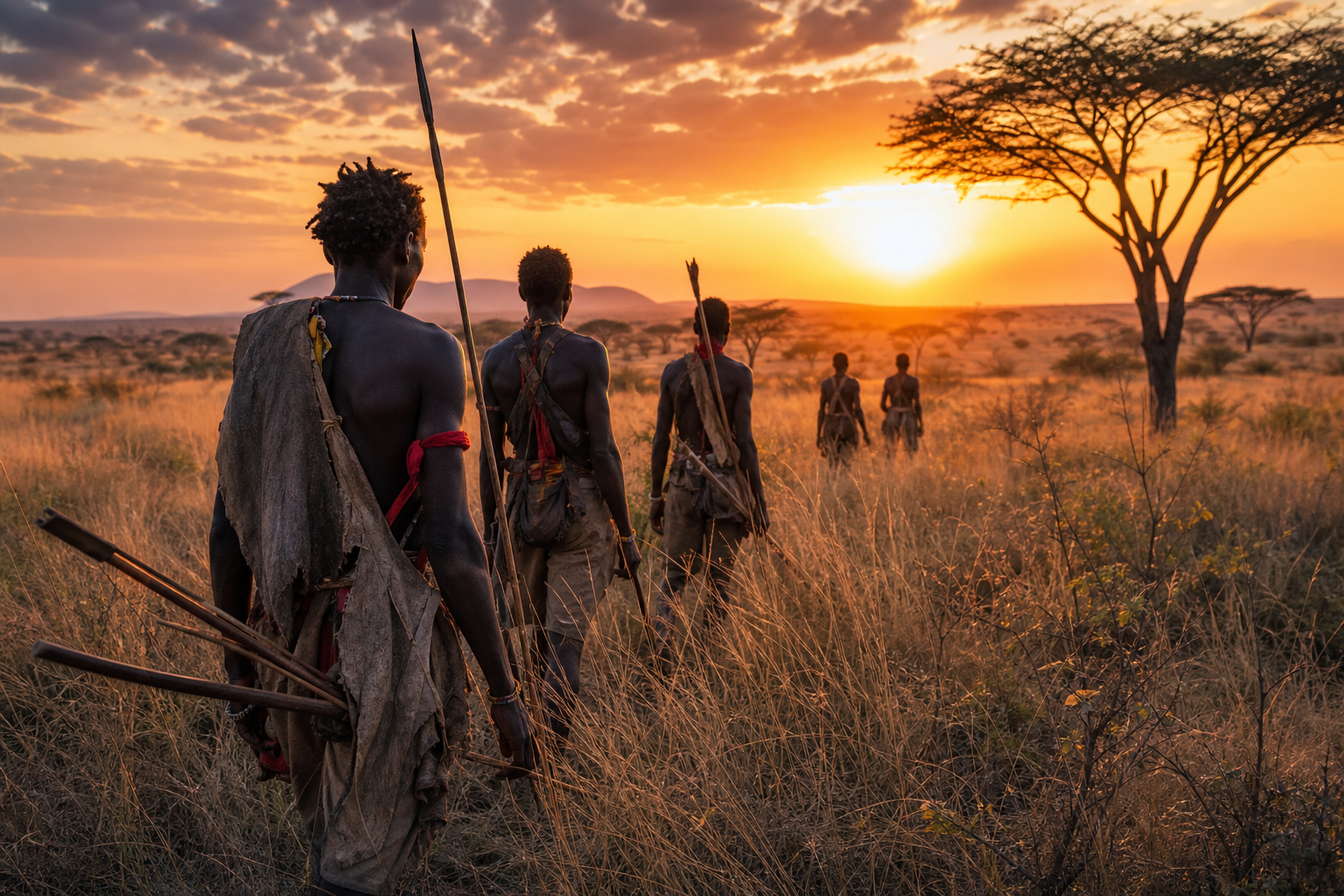
The Hadzabe live around Lake Eyasi in northern Tanzania. They survive by hunting with bows, gathering wild tubers, and moving with the seasons. Their society has no chief; decisions are made by consensus among families. This fluid structure lets them adapt quickly to changes in food availability.
Because they rely on the land, the Hadzabe have a deep knowledge of local plants, animal tracks, and weather patterns. Women spend hours combing the savanna for edible roots, while men track antelope on foot. Even their language is tied to the environment, with dozens of words for different types of firewood.
Our routes often follow the same seasonal paths the Hadzabe have used for generations. Destination | Safari‑TZ shows the exact Lake Eyasi area we cover.
Visiting the community means seeing daily life, not a staged performance. You might sit with a family while they prepare a simple millet porridge, or watch a child learn how to track small game. The experience is raw, honest, and unforgettable.
Why Cultural Tours Matter: Ethical Considerations and Community Benefits
Travelers who choose cultural tours help keep traditions alive. Ethical tourism creates a two‑way exchange: visitors learn, and the community receives direct support.
When a tour follows local guidelines, fees go straight to schools, health clinics, and water projects. This model aligns with community‑driven income sharing practices observed among the Hadzabe.
Responsible operators limit group size, ask permission before photographing, and avoid disrupting hunting rituals. Small groups also reduce the environmental footprint on fragile savanna ecosystems.
Cultural visits contribute to rural development and help preserve intangible heritage. By paying a fair visit fee, you help fund education and preserve the knowledge that has kept the Hadzabe thriving for millennia.
These practices protect both the people and the land, ensuring future generations can still walk these ancient paths.
How Safari TZ Structures Its Hadzabe Tribe Tour
Our Hadzabe tour is built around a three‑day, small‑group format. Day 1 starts with a scenic drive from Arusha to Lake Eyasi, where you settle in a low‑impact mobile camp.
Day 2 begins early. After a simple breakfast, we walk with the Hadzabe men as they track antelope. In the afternoon, women guide us to gather wild berries and tubers. Evening ends with a fire circle where stories are shared.
Day 3 offers a choice: continue hunting with the men or learn traditional arrow‑making from the artisans. We finish with a farewell meal and a debrief on how the experience ties into conservation goals.
All guides are Tanzanian‑born, fluent in Swahili and basic Hadzabe dialect. They act as cultural translators, ensuring respect and clear communication throughout.
Our team handles all logistics, from vehicle maintenance to camp set‑up, so you can focus on the interaction. Because we own the 4x4 fleet, we avoid third‑party hand‑offs that can lead to miscommunication.
Comparing Hadzabe Tour Options: Duration, Cost, and Sustainability
Below is a snapshot of how the main providers stack up. Data comes from publicly listed details as of July 2026.
Only one operator, Visit Natives, publishes a clear price point, so price information is limited. None list maximum group sizes, which makes Safari TZ’s promise of 6‑person groups a clear advantage for intimacy.
All listed tours mention some form of revenue sharing, showing that sustainability is a baseline expectation. Our own model adds a guaranteed split of 70 % of fees directly to the Hadzabe’s community fund.
Usable Tips for Visiting the Hadzabe: Preparation, Packing, and Respectful Conduct
Preparation starts with health and paperwork. Make sure your vaccinations are up to date and carry a copy of your passport with a visa for Tanzania.
Pack light, breathable clothing in neutral colors, khaki, beige, or olive. Long‑sleeved shirts protect against sun and insects, and sturdy walking shoes handle uneven savanna paths.
Bring a wide‑brim hat, sunscreen, and a reusable water bottle. A small notebook helps you capture the stories you hear; a basic camera is fine, but always ask before snapping a portrait.

When you arrive, follow the guide’s lead. Greet hosts with a friendly "jambo" and wait for an invitation before sitting or joining a meal. Avoid stepping on fire rings or touching sacred objects without permission.
If you need to ship extra gear after the tour, consider using a reliable shipping service. They connect you with independent transporters who can move luggage safely across borders.
Finally, be ready for an unstructured day. The Hadzabe move by the rhythm of the bush, not a clock. Flexibility turns a simple visit into a genuine cultural exchange.
FAQ
What is the best time of year to see the Hadzabe?
The dry season, from June to October, offers clear roads and comfortable walking conditions, making it the most reliable period for a Hadzabe tribe tour.
Do I need a special permit to visit the Hadzabe?
No separate permit is required; the tour operator handles any local permissions needed for cultural visits.
How many people are usually in a group?
Ethical operators keep groups to six guests or fewer to ensure intimacy and minimize impact on the community.
Can I bring a camera?
Yes, but always ask for consent before taking close‑up photos of individuals or their belongings.
Is the tour suitable for seniors?
Our three‑day itinerary involves moderate walking on uneven ground; seniors should discuss fitness levels with the guide beforehand.
Will I eat local food?
Meals often include simple dishes prepared by the Hadzabe, such as millet porridge or roasted tubers, offering a true taste of daily life.
If you’re ready to experience the Hadzabe in a way that respects their culture and supports their future, start by exploring our dedicated tour page. You’ll find detailed itineraries, pricing options, and a quick quote form to get the ball rolling.