Mahale Mountains National Park: Complete Explorer’s Guide
mahale mountains national park: complete explorer’s guide
Mahale Mountains National Park: Complete Explorer’s Guide
Explore Mahale Mountains National Park – wildlife, access, stays, activities, and top tips from Safari TZ. Plan your adventure with expert insights.
Mahale Mountains National Park feels like a secret kept by the lake and the forest. Here’s everything you need to know , how to arrive, what animals you’ll meet, where to sleep, what to do, and the quirks you shouldn’t miss.
How to Get There: Access & Transportation
The park sits on the eastern shore of Lake Tanganyika, Tanzania’s far‑west frontier. You can’t drive in; the only ways in are by air or water. Charter flights from Dar es Salaam or Arusha land at a small airstrip near the park headquarters, and we at Mahale Mountains Overview | Tanzania Chimp Safari can book them straight into our itinerary.
From the airstrip, a 4WD vehicle shuttles you to the lake dock. The drive takes about five hours in the dry season. Once at the dock, you can choose a speed boat for a quick crossing, a traditional dhow for a scenic ride, or the MV Liemba ferry for a budget‑friendly option. The ferry ride from Kigoma to Lagosa lasts roughly ten hours, then a short launch brings you to the camp’s landing point.
For the adventurous, a kayak trip from Korongwe or Karema can turn the lake crossing into a two‑day paddling trek. It’s slower but lets you soak in sunrise on the water and spot hippos at dusk. All routes require a licensed guide; the park won’t let you wander solo.
Remember: the wet season (Nov‑Apr) brings higher water and longer boat trips, and birdlife explodes.
Wildlife Highlights: Chimpanzees and More
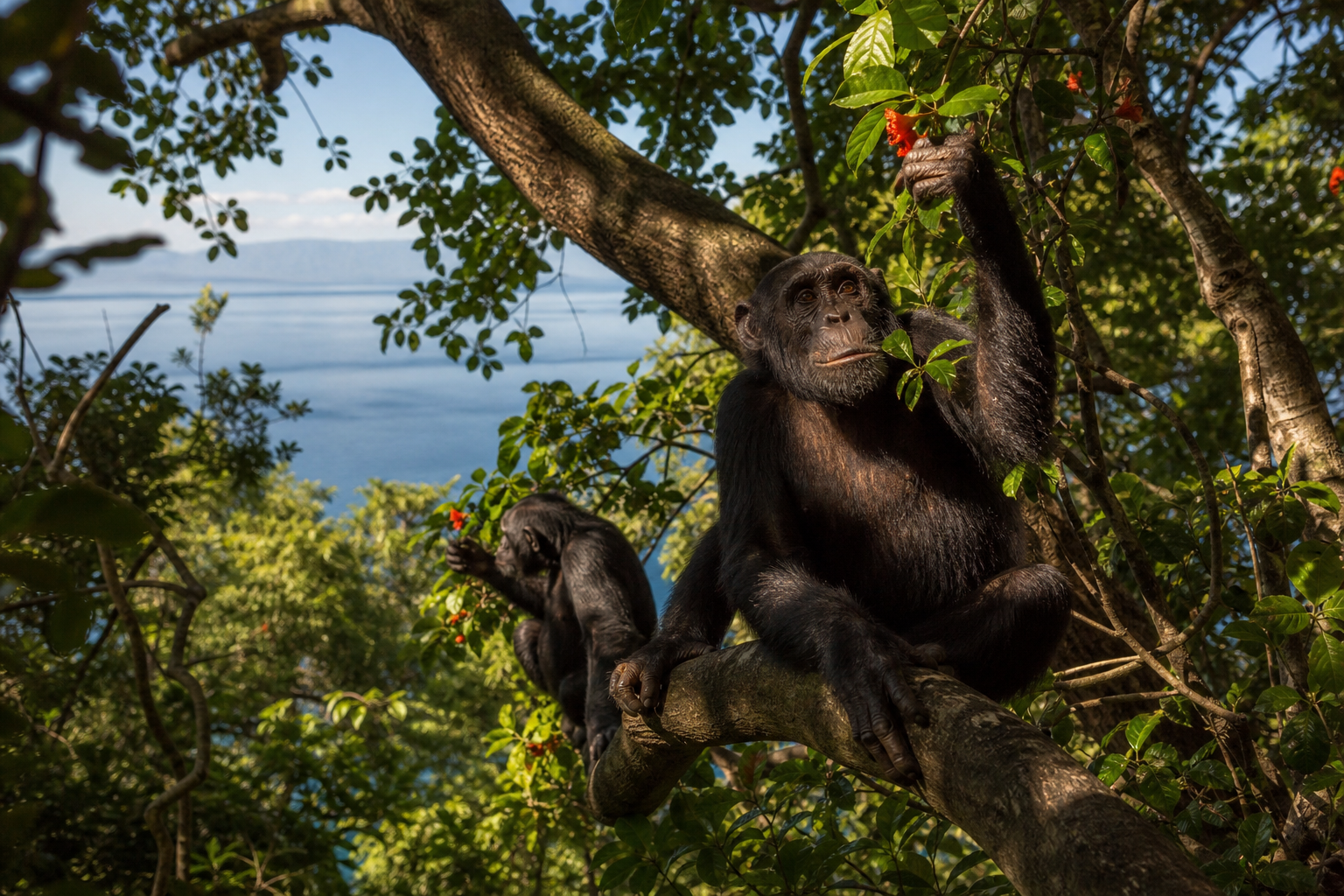
Mahale is famed for the world’s largest eastern chimpanzee population , about 900 individuals, with the habituated Mimikere community of ~75 chimps studied since the 1960s. The chimp groups roam the forest canopy, swing on vines, and greet visitors with curious calls. Masks are mandatory during encounters to protect both people and primates.
Beyond chimps, the park hosts leopards, lions, elephants, giraffes, and the rare chimp‑lion coexistence that researchers call a “predator‑prey paradox.” You might also spot red‑colobus monkeys, yellow baboons, and a kaleidoscope of over 350 bird species , from malachite kingfishers to fish eagles.
Even the lesser‑known giant pangolin wanders the forest floor, and nocturnal bushpigs rustle through the undergrowth. The diversity is backed by long‑term studies from Kyoto University, which have produced over 300 English papers on Mahale’s primates.
For a deeper look at the park’s fauna, see the comprehensive species list compiled by researchers.
Where to Stay: Accommodation Comparison
All camps sit on the lake’s edge, so you’ll hear waves at night. Greystoke offers the most authentic, back‑to‑nature feel , great for purists. Kungwe gives you a touch of comfort without losing the wilderness vibe. Mango Tree is the pricier, semi‑luxury option, ideal for travelers who want a bit more privacy.
Because there’s no road into the camps, supplies arrive by boat. That means the menu leans heavily on fresh lake fish, cooked by local cooks hired by the camp.
We often recommend Greystoke for first‑time visitors; it puts you right where the chimp tracks start.
Activities & Experiences: From Chimp Trekking to Kayaking
The headline activity is chimpanzee trekking. Groups of up to six people spend a single hour with the chimps, guided by a ranger who knows each family’s routine. Early morning hikes give you the best chance to see active feeding.
For those craving extra miles, a multi‑day trek up Mount Nkungwe challenges you with steep climbs and remote camping. The summit offers sweeping views over Lake Tanganyika and the forested ridge line.
Lake Tanganyika itself invites kayaking, paddle‑boarding, and limited snorkeling in clear bays. The water hosts over 250 endemic fish species , a rainbow of cichlids you can’t find anywhere else.
Even a short boat ride along the shoreline reveals white‑sand beaches where you can relax after a trek. Remember the park’s rule: swimming is only allowed in designated zones to avoid crocodiles.
Landscape & Geography: Peaks, Beaches, and Lakes
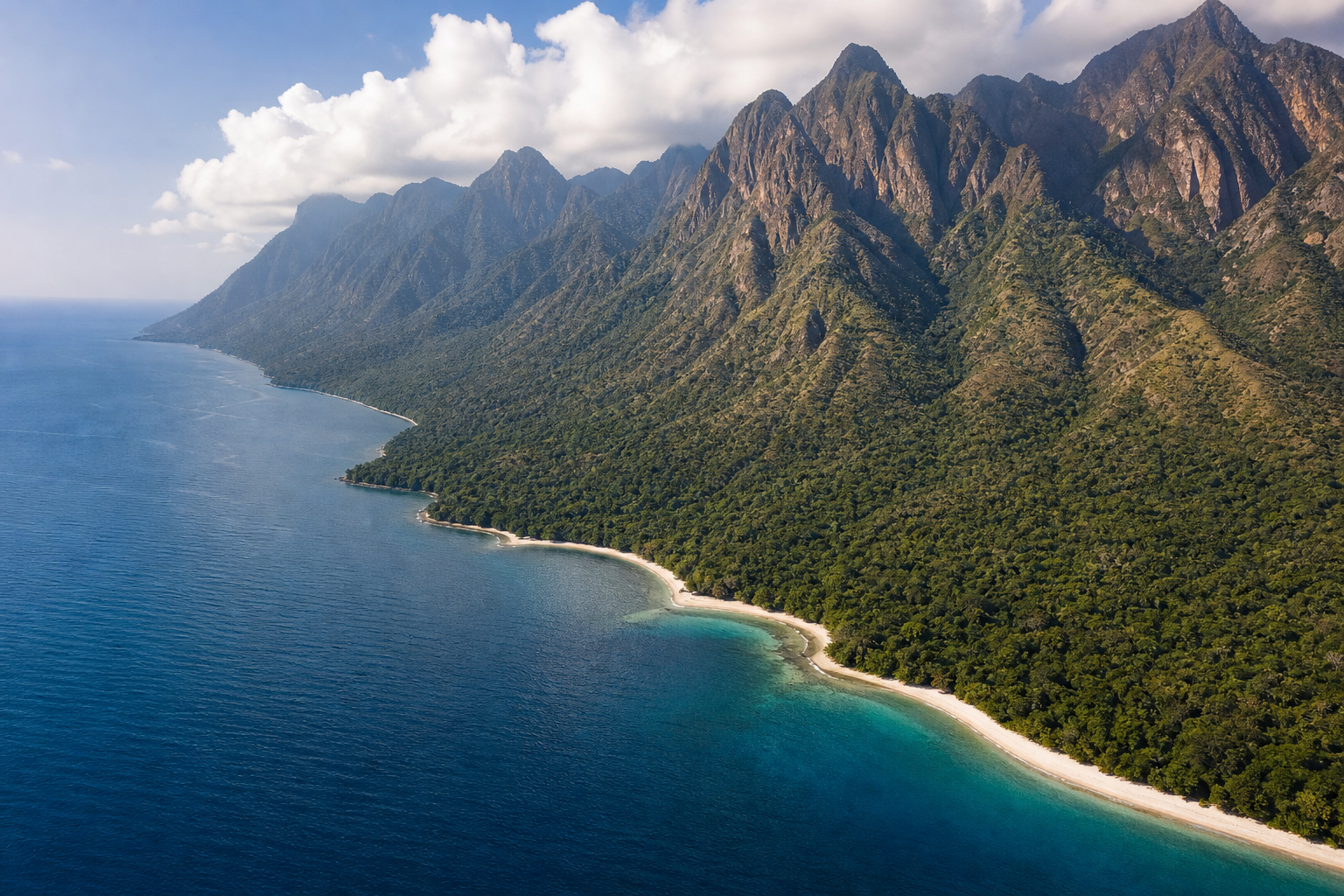
Mahale’s terrain is a dramatic blend of jungle‑clad peaks and lake‑front beaches. The mountains rise nearly 2 km above the lake, creating steep escarpments that drop into turquoise water. White‑sand beaches line the eastern shore, perfect for sunrise photography.
The park’s geography is shaped by the ancient Lake Tanganyika, the world’s second deepest freshwater lake. Its waters are home to Nile crocodiles, hippos, and countless fish that have evolved in isolation for millions of years.
Because the park has no road network, the landscape feels untouched. Hiking trails wind through mist‑shrouded forests, past waterfalls, and up to rocky outcrops that give a bird’s‑eye view of the lake’s expanse.
When you stand on a peak, you can see Tanzania’s western border with the Democratic Republic of Congo, Burundi, and Zambia , a reminder of how this remote spot sits at a crossroads of cultures and ecosystems.
FAQ
What is the best time of year to visit Mahale?
The dry season from June to September offers the most reliable chimp sightings and easier boat travel. The wet months (Nov‑Apr) lower costs by 20‑30 % and bring spectacular bird and butterfly activity, but boat schedules can be longer.
How many people can join a chimp trek?
Groups are capped at six visitors, and each encounter lasts no longer than one hour to protect the primates.
Do I need a vaccine to travel to Mahale?
Yes. Recommended vaccinations include yellow fever, typhoid, hepatitis A, and a routine tetanus booster. Check the latest health advisories before you go.
Is there internet or mobile signal at the camps?
Mobile coverage is spotty, but most camps have a landline and a modest Wi‑Fi hotspot in the dining area, powered by a generator that runs evenings.
Can I combine Mahale with a safari in Serengeti?
Absolutely. Our team can stitch a Mahale chimp trek together with a Serengeti or Ngorongoro wildlife circuit, creating a smooth Tanzania adventure.
Conclusion
Mahale offers a rare mix of intimate chimp encounters, rugged mountain scenery, and lake‑side relaxation. Book with Safari TZ for a fully supported trek that handles flights, boats, and guides, so you can focus on the experience. Ready to start planning? Check out our detailed Mahale Mountains National Park Wikipedia page for extra background and then get in touch with us for a personalized itinerary.
Ready to put this into practice? Safari TZ was built for exactly this.